






From Mexico City to Bangkok: Four keys to clean air and a safer climate
Posted: in
Brazil, Climate, Energy, Environmental Justice, Government Official/Policymaker, Health, London, Monitoring, New York City, Public Health/Environmental Official
Written By

Share
What’s new: Hazardous air pollution was a daily reality for me as a child growing up in Mexico City. I felt it burning my eyes and irritating my throat every time I went outdoors to play soccer. By the late 1980s, my hometown was known as the most polluted city in the world.
Years later, as an environmental professional, I had the chance to help clean up the air I had grown up breathing. I joined the team that developed and implemented the first Comprehensive Air Quality Program for the Valley of Mexico, launched in 1990. Thanks to this and successive efforts, annual average ground-level ozone was more than 40% lower in 2025 than it was in 1988.
Mexico City improved its air quality through coordinated policy, sound implementation across sectors and funding at both the national and local levels—a bold sign of what’s possible. However, ozone level increases in recent years remind us that those gains must be protected. They demand sustained investment and adaptable measures to hold.
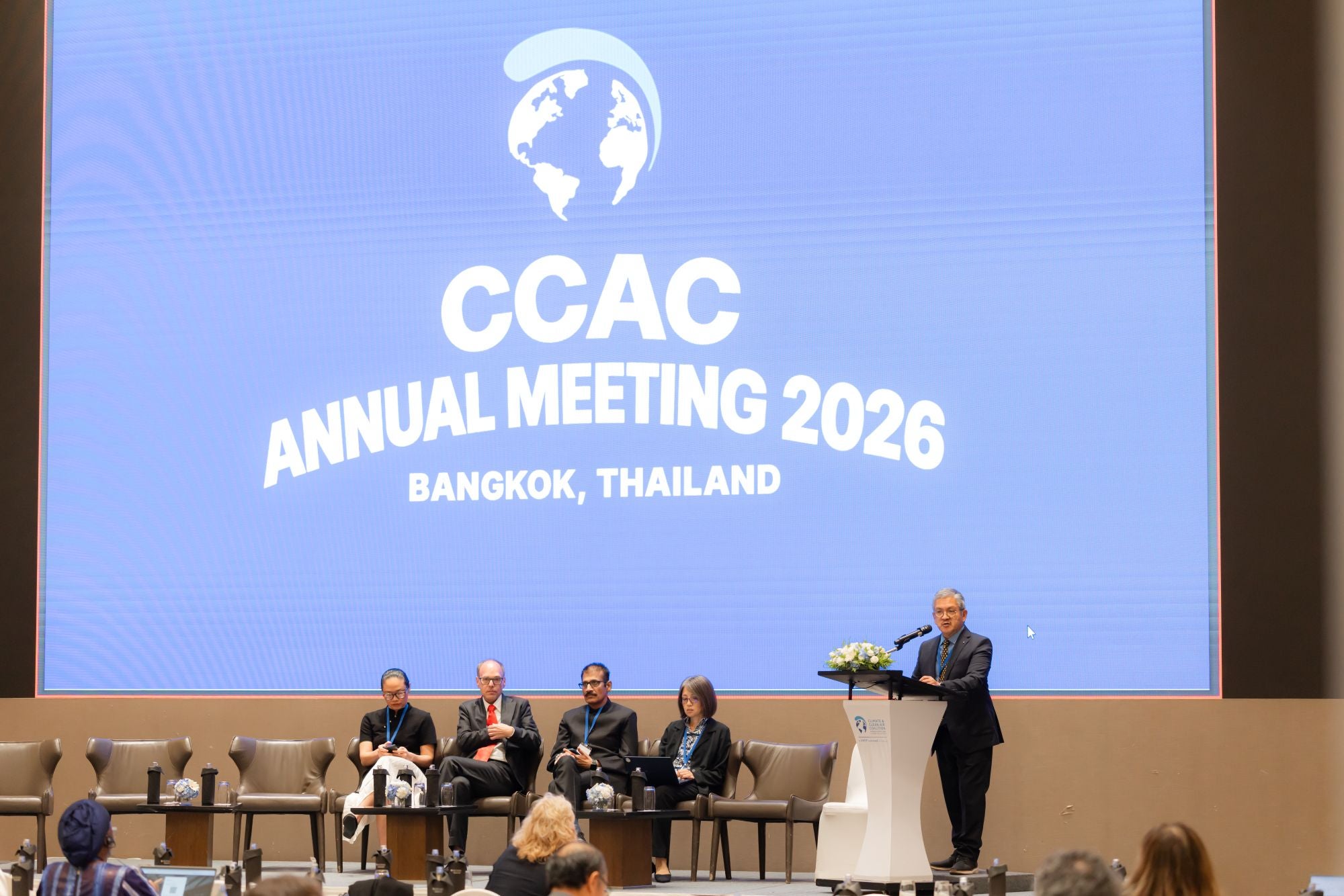
Why it matters: I opened with this story during my remarks at the Clean Air and Health Plenary for the Climate and Clean Air Coalition’s (CCAC) annual meeting held in Bangkok, Thailand in October. It reminds us how air pollution harms residents every day — and how committed, science-based action can turn things around. The lesson is to sustain that effort long enough to improve lives and keep adapting to protect those gains.
Four keys to cleaner air: Cities that have substantially reduced air pollution, including Mexico City, London, New York, Beijing and Santiago, show what sustained action can achieve. Their experiences point to four interconnected keys to success:
- Robust scientific evidence that can pinpoint pollution sources, identify who faces the greatest harm and show which solutions will do the most for health and climate.
- Broad participation and sustained public demand for action, which can push policymakers to act and hold them accountable for results.People breathing the most polluted air must help shape the solutions.
- Political leadership and strong institutions that can get different levels of government working together, make clear who is responsible and enforce pollution rules. Capable public agencies help keep the work going when leaders change.
- Sustained financing, which can enable communities put solutions to work and keep them working. Public budgets and business investment are essential, and polluters should contribute to the cost of reducing their emissions. International and development funding can also help. Together, these resources pay for pollution controls and enforcement and help communities manage the costs of change.
Brazil is working to bring these four elements together as it carries out a major reform of its national air quality policy. Working with its Ministry of Environment and Climate Change and other partners, EDF has brought government, researchers, civil society, businesses and funders together to address critical questions around which actions are most effective, who will carry them out and how to pay for them.
A big bet on super pollutants: As in Brazil, EDF-supported partnerships around the world are working to improve people’s health and reduce climate pollution. Our focus on super pollutants like methane, black carbon and ground-level ozone can help deliver on both goals. These pollutants were central to the CCAC’s annual meeting and are shared priorities for the coalition, its member countries and other partners. To achieve those results, public funding and private investment must match the scale of the challenge, backed by clear rules and incentives to reduce emissions.
What’s next: Lasting progress takes sustained investments in time, resources and political will. Showing what cleaner air means for people’s health, the climate and the economy can strengthen the case for those investments. EDF will continue engaging with CCAC and other partners so clean air leaders can learn from each other, put solutions to work and cut super-pollutants emissions faster. For me, leadership means taking responsibility for people’s health and welfare — and following through. The children playing outside today deserve that commitment.
You can watch the CCAC Annual Meeting recordings here. Learn more about EDF’s global super pollutants work in this fact sheet.