








Three takeaways from Louisiana’s hearing on Entergy’s $4.1 billion gas plant proposal
Posted: in General
Written By

Share
Summary
- Uncertain industrial demand could leave Louisiana families paying for unnecessary power plants. Recent hearings raised questions about Entergy's demand forecasts and who will bear the costs if major industrial projects change or fall through.
- Entergy failed to adequately evaluate alternatives and financial risks. EDF's expert testimony highlighted gaps in the utility's analysis and questioned whether its $4.1 billion proposal offers the best value for customers.
Louisiana families are already struggling with high energy bills. Now, Entergy Louisiana wants approval to spend $4.1 billion on two new natural gas power plants that could add roughly $15 a month, or $180 a year, to the average residential customer’s electricity bill.
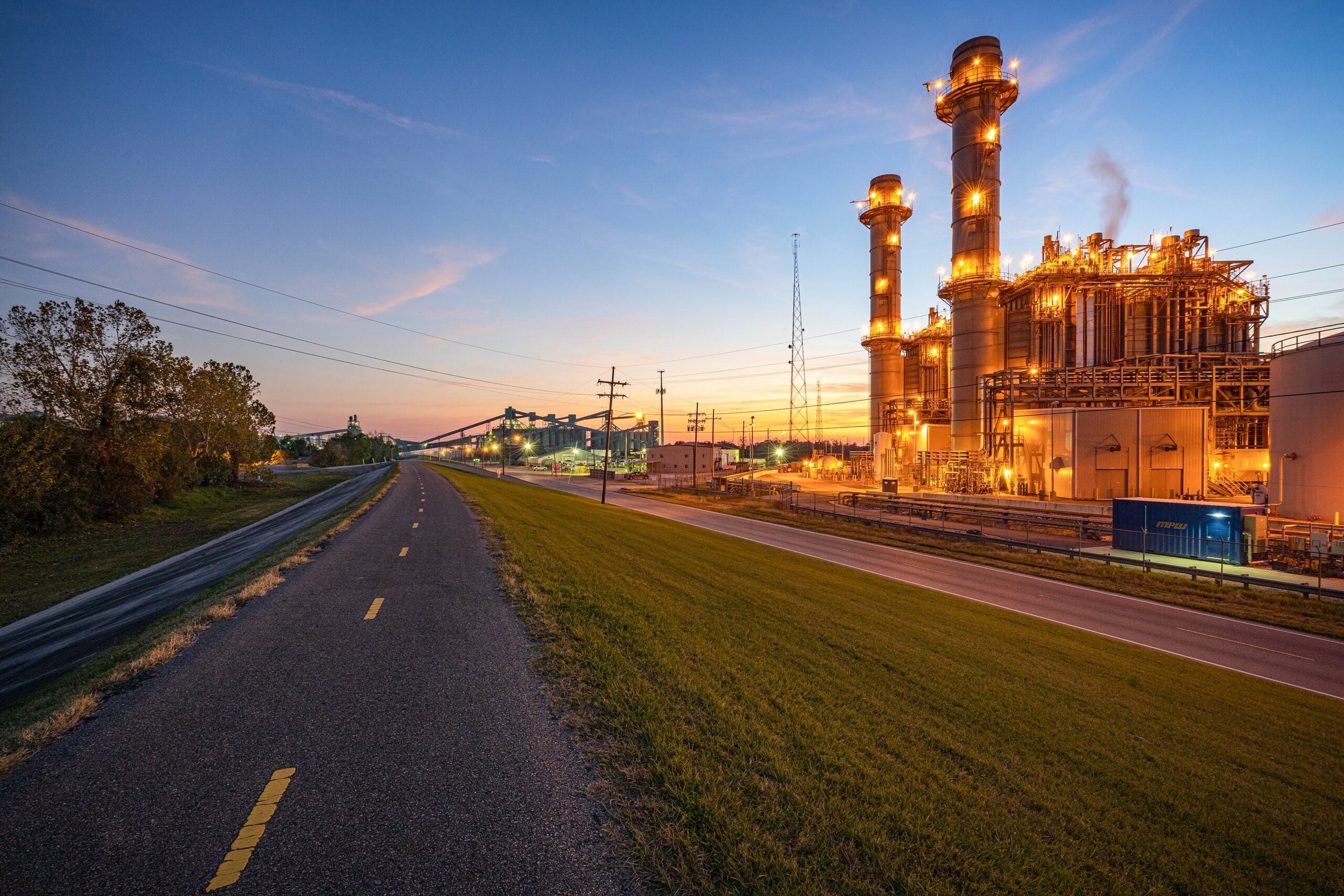
At hearings before the Louisiana Public Service Commission on October 29 and 30, Environmental Defense Fund and others raised serious concerns about Entergy’s proposal to build the Waterford 6 and Westlake power plants, each capable of generating 750 megawatts of electricity. The plants would largely serve growing industrial demand, but EDF’s expert testimony raises questions about whether they’re necessary, whether more affordable alternatives have been fully considered and who will bear the financial risks if projected demand falls short.
Three concerns stand out.
1. Louisiana families could pay for industrial demand that never materializes
Entergy’s proposal relies heavily on anticipated electricity demand from large industrial customers, including Hyundai, CF Industries and Woodside LNG. But industrial expansion plans can change. In June 2026, Air Products canceled plans for a multibillion-dollar hydrogen facility in Louisiana, citing concerns about the project’s financial viability. During the hearing, Entergy acknowledged learning of the decision when it became public.
Hyundai’s plans have also evolved. Its proposed steel facility initially envisioned using green hydrogen, which requires substantial electricity to produce. The company has since shifted plans to use grey or blue hydrogen, both of which require significantly less electricity, raising questions about whether Entergy’s demand forecasts reflect those changes.
These examples highlight the risks of committing billions of dollars to new power plants based on uncertain industrial demand. EDF raised concerns that Entergy has not adequately tested what would happen if projected demand fell short. Instead, the utility appears to be taking a “wait and see” approach, leaving residential customers at risk of paying billions of dollars for power plants they may not need.
2. Entergy hasn’t adequately evaluated more affordable alternatives
Before committing customers to billions of dollars in new infrastructure, utilities should demonstrate that they’ve considered a full range of options. Yet Entergy focused on proposals for natural gas plants without adequately comparing them with a mix of cleaner energy resources that could work together to meet Louisiana’s growing electricity needs.
These options could include solar energy, battery storage, greater use of existing industrial generation, energy efficiency and demand response programs that reduce electricity use during periods of high demand. Together, these resources could reliably meet customers’ electricity needs at lower cost while supporting a cleaner energy future.
In fact, EDF’s expert testimony presented a viable, reliable alternative portfolio designed to meet Entergy’s projected demand, even under conservative assumptions that excluded solar generation during winter months. Without comparing all available options, Louisiana risks betting too heavily on natural gas and leaving families to pay the price.
3. Customers deserve protection from long-term risks
Natural gas plants are typically built to operate for 30 years or more, meaning today’s decisions can affect electricity bills for decades. Beyond construction costs, customers face potential risks from rising fuel prices, cost overruns and changes in electricity demand. Environmental and public health impacts also impose real costs on Louisiana communities. Those costs cannot be separated from the broader question of whether these investments serve customers’ best interests.
And the risk of higher bills isn’t hypothetical. During the hearing, intervenor attorneys raised concerns that another gas plant approved at the Waterford site in 2025 has already exceeded its projected costs by nearly $500 million. When asked whether it would accept a cap on construction costs to protect customers, Entergy maintained that it should be able to recover prudently incurred costs, including overruns. If approved for recovery, these additional costs could push the projected $15 monthly increase in residential electricity bills even higher.
And we cannot ignore the proposed fossil plants’ impacts on air quality and public health. According to Oil and Gas Watch, the Westlake plant could generate 2.69 million tons of greenhouse gas emissions, while Waterford 6 could generate another 2.5 million tons. Nearly 37% of people living within three miles of the proposed Westlake plant are considered low-income, raising concerns about additional pollution burdens on nearby communities.
Louisiana shouldn’t put all its energy eggs in one basket. With Entergy pursuing additional gas plants beyond Waterford 6 and Westlake, regulators must also consider the risks of locking the state into decades of dependence on natural gas. Building more gas plants without diversifying the state’s energy mix could leave customers increasingly exposed to volatile fuel prices and costly investments that may not be needed in the future.
A decision with decades of consequences
Louisiana needs reliable electricity to support its residents, businesses and growing economy. But reliability and affordability must go hand in hand. Entergy has an obligation to demonstrate that its proposed investments are necessary, prudent and the lowest reasonable-cost option for customers. EDF’s expert testimony makes clear the utility has not met that burden.
Louisiana families shouldn’t be stuck paying billions for gas plants Entergy hasn’t proven are needed, especially when reliable, affordable, cleaner alternatives are available. The commission has an opportunity to protect customers by demanding clear evidence that these plants are needed, that financial risks have been adequately assessed and that more affordable alternatives have been fully considered. Louisiana families deserve nothing less.