







Geothermal energy: Now is the time to plan for the heat beneath our feet
Posted: in Clean Energy
Written By

Share
Summary
- Enhanced Geothermal Systems have great potential to provide essential clean, always-on electricity for the U.S.’s growing power demands.
- Technical and sustainability challenges remain and will be most effectively solved in tandem; working smart means that insights from one research area can accelerate another.
By Alice Alpert
When we talk about clean energy, solar panels and wind turbines usually steal the spotlight. But there’s another player waiting in the wings: Enhanced Geothermal Systems. This family of technologies could provide reliable, round-the-clock power — something renewables like wind and solar can’t always guarantee. Recently, EDF convened a group of academic and government researchers, industry and non-profit actors to examine challenges to scaling EGS sustainably and how to take action on them. We released a workshop report with more detail but here’s what you need to know.
Earth energy is always on
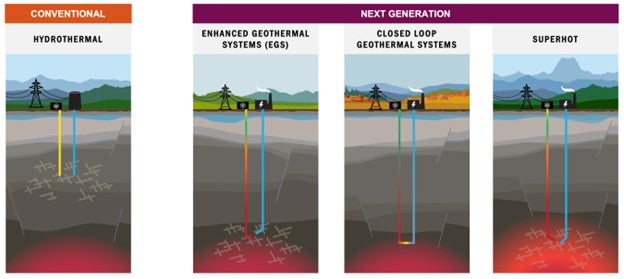
Geothermal energy brings heat from inside the earth up to the surface for electricity or heat. Conventional geothermal power has been in use for nearly 100 years and makes use of natural fluid systems (think hot springs). EGS takes this idea further by creating fluid “plumbing” systems in places where they don’t exist naturally. Using advanced drilling techniques borrowed from the oil and gas industry — like directional drilling and hydraulic stimulation — EGS can unlock heat from deep, hot rock formations. It could also be used to store energy and doesn’t need a lot of space
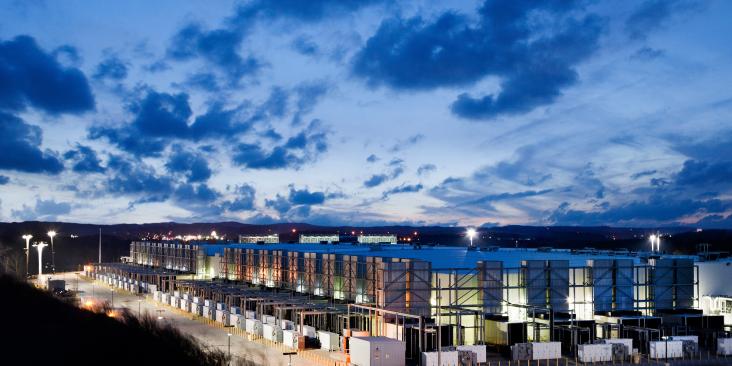
The potential is huge. According to the U.S. Department of Energy, EGS could supply up to 90 gigawatts of power by 2050 — enough to power millions of homes and support U.S. datacenters’ booming energy demand.
Getting geothermal right, now
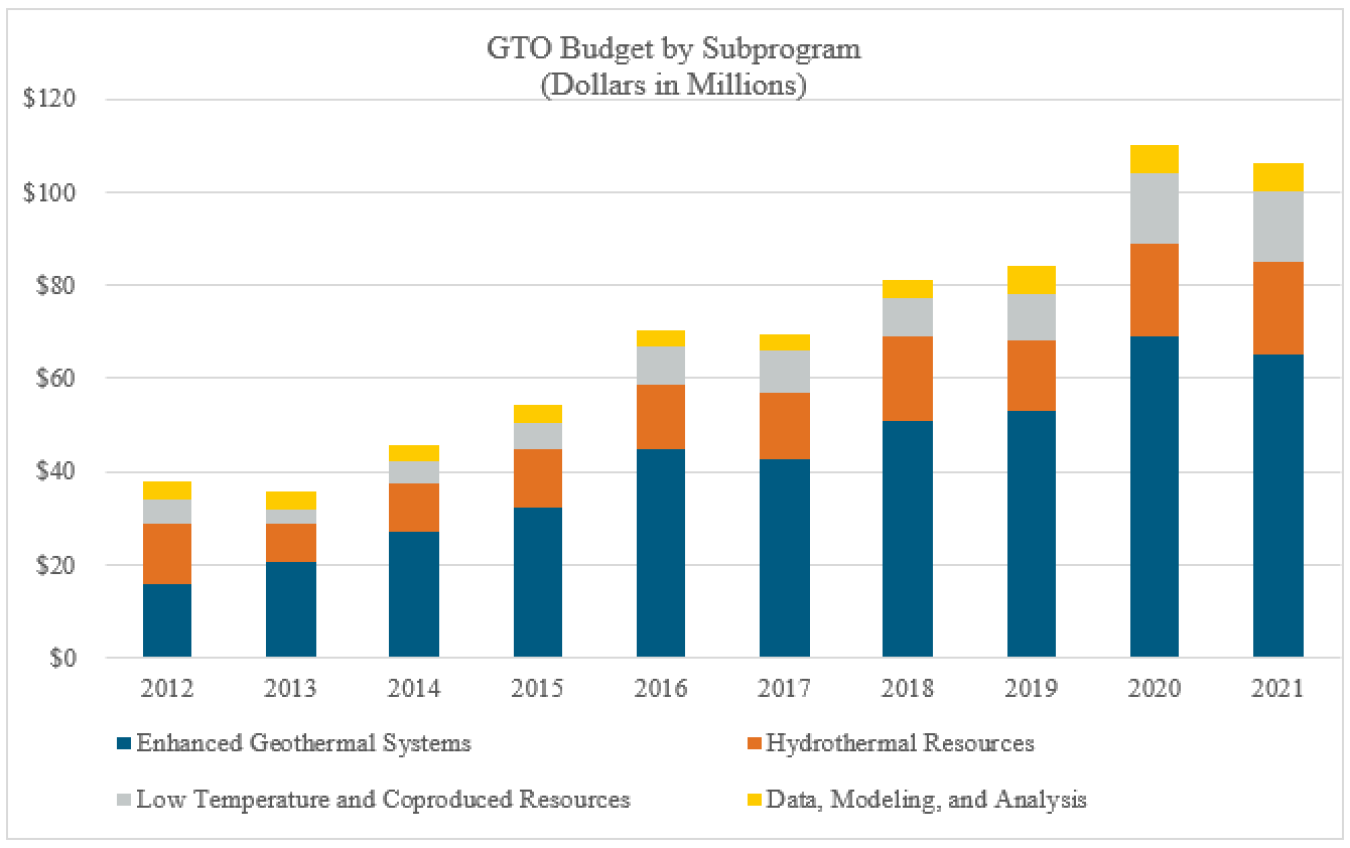
While conventional geothermal systems are mostly in the mountain west, EGS could potentially be deployed outside that region to support the electricity needs of large populations and industrial areas. And while investments in EGS have historically been low, private investment and public research continue to rise.
Despite its promise as a clean, always-on energy source, EGS faces significant challenges before it can play a role to meet U.S. electricity needs. Now is a critical time to get our ducks in a row. A multi-pronged approach for sustainable large-scale deployment is necessary to avoid bottlenecks or impacts that could affect the industry’s future.
Prong 1: Prove effectiveness
Prong 2: Develop and use guardrails.
Luckily, they are closely connected, and if actors work smart, we can make progress on both paths faster than one alone.
Showing results
Projects are expensive upfront, and investors want proof they’ll pay off. While the earth’s heat itself is fairly well understood, there is more work to do to know whether a given well and system will be able to bring heat up to the surface efficiently:
- Know what’s happening miles underground. Where are the faults? How will water move through the rock? Unfortunately, this data is scarce and expensive to collect. Without better maps and models, drilling can be risky and costly.
- Develop equipment that can operate deep within the earth at high temperatures.
- Retain the operating fluid to bring the heat back to surface: too many cracks, or faults, and the fluid will run away, taking the heat with it.
Build some guardrails
Before any new technology is deployed it needs to be safe. This means having operational and regulatory guardrails to make ensure that geothermal development is sustainable — ecologically and socially — and to communicate safe operations to communities and regulators.
- EGS needs water to work, and managing it responsibly is critical. Losing water underground or contaminating local supplies could harm communities and ecosystems. Knowing how much water the facility will use, is related to what’s happening miles underground.
- Injecting water into hot rock can sometimes trigger earthquakes. While most are small, larger ones have shut down projects in the past. Current safety systems react after seismic activity occurs, but experts say we need predictive tools that can anticipate problems before they happen. This is again related to what’s happening miles underground as well as information about how much fluid operators have added.
- Geothermal doesn’t fit neatly into existing energy regulations. We need clear industry protocols, standards and regulations for things like resource ownership, seismic monitoring and water reporting. Streamlined permitting and standardized forms could make life easier for developers and regulators alike.
- Engage host communities early and often about water use and seismic risks, and the measures developers are taking to avoid them.
Treating these challenges together can unlock the wider puzzle and accelerate the development of sustainable EGS. To EDF that means:
- Characterize the geology: what’s happening miles underground
- Ensure that safety and environmental protocols are ready to function as they need to when they need to
- Earn social license for this new technology
For example, research to characterize the subsurface could also contribute to developing advanced seismic protocols. And because injected fluid affects earthquakes, combining reporting for water use and fluid injection volumes could also improve seismic protocols. Besides, showing investors that the technology is safe and acceptable to the public is necessary for further investment. Many of these efforts are occurring, but not necessarily in a way that maximizes efficiency and ensures that guardrails are in place before deployment.
EGS is a practical solution to one of our biggest energy challenges: how to keep the lights on without burning fossil fuels. Scaling it up sustainably will take collaboration among scientists, industry, regulators, and communities. But if we get it right, EGS could become a cornerstone of the clean energy transition.