







March 2026: Electric trucks, buses round-up
Posted: in Electric Vehicles
Written By

Share
Summary
- U.S. transit and logistics sectors accelerate electrification, with new zero-emission fleets launched in El Paso, California and Tucson to cut emissions and improve service.
- Public funding and rising customer demand are driving investments in electric vehicles, charging infrastructure and cleaner transportation solutions across public and private fleets.
Medium- and heavy-duty electric vehicles are hitting the road in 2026, and we’ve collected last month’s most exciting news. In 2025, EDF delivered monthly deployment updates on the biggest zero-emission transportation stories. By the end of 2025, it was clear that momentum was sustained throughout a challenging year. This year will undoubtably see more big announcements, and we’ll be here to showcase the biggest orders and deployments of zero-emission trucks happening around the country.
March announcements included transportation improvements for ADA-accessible routes and students in Texas and Arizona, respectively and progress on zero-emission drayage systems in California.
Sun Metro unveils first zero-emissions electric fleet for Lift program in El Paso
Sun Metro introduced its first fleet of 45 zero-emission electric vehicles, a significant investment in cleaner, more dependable transit. The new vehicles will be added to the city’s LIFT program, which offers curb-to-curb transportation for individuals covered under the Americans with Disabilities Act. In addition to the new vehicles, Sun Metro plans to introduce charging stations as part of the rollout. The project is funded through the Federal Transit Administration’s Low or No-Emission program.
Hight Logistics highlights new Tesla Semi as it expands zero-emission fleet
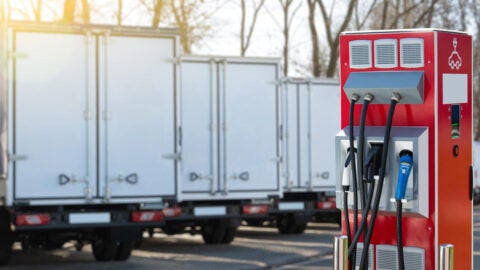
Hight Logistics, a California based drayage company, recently debuted a new Tesla Semi during the TPM logistics conference. The electric Class 8 truck was used to transport a customer container directly to the event, highlighting an important step in the company’s move toward a zero-emission fleet. The company has emphasized a strong commitment to zero-emission trucks, noting that more customers are choosing Hight Logistics to help lower their carbon footprint and comply with evolving regulatory requirements. Hight Logistics currently operates 25 electric trucks, mostly Volvo VNR Electric models, and the company intends to expand its fleet with additional Tesla Semis. To support this growth, it has already installed six dual-charging stations at its facility, enabling up to 12 electric trucks to charge at the same time between port trips.
Tucson schools go green with new electric bus fleet
The Tucson Unified School District has introduced a new fleet of 10 electric school buses. This deployment will replace 10 older diesel buses, and it is projected to cut approximately 17,000 tons of carbon dioxide emissions. The buses were acquired through RWC Group, with funding coming from a $4 million grant through the Environmental Protection Agency’s Clean School Bus Program, $1.1 million in rebates from Tucson Electric Power and $1.2 million from the TUSD Bond Project. The deployment focuses on improving community health by providing a quieter, cleaner ride for students while helping reduce air pollution across local neighborhoods, contributing to a healthier future for the region.
Now is a critical time for fleets to invest in medium- and heavy-duty electric trucks. These vehicles improve public health and help combat the climate crisis by reducing greenhouse gas emissions and air pollution. Unlike traditional diesel-powered trucks, electric trucks produce no tailpipe emissions, which significantly cuts down on health-harming pollution. Adoption represents a key step toward a more sustainable and resilient transportation industry.
Check back here next month to see a collection of the most exciting zero-emission vehicle announcements from April. In the meantime, check out EDF’s Electric Fleet Deployment & Commitment List to track announcements as they happen in real time, and view all March announcements.
Check out last month’s announcements here.