







Colorado sets leading standards for cleaning up landfill methane
Posted: in General
Written By
Share
Summary
- Colorado sets among the nation’s strongest standards to slash landfill methane, protecting frontline communities while delivering at least $5 in benefits for every $1 in cost.
- By pairing proven methane leak detection technologies with tougher gas capture and landfill cover requirements, the state shows how practical, forward-thinking solutions can cut climate pollution fast – and provide a model other states can follow.
By Edwin LaMair, Senior Attorney, U.S. Legal & Regulatory, EDF and Ryan J. Call, Policy and Campaigns Specialist, Eco-Cycle
Landfills are a major – and growing – source of harmful pollution
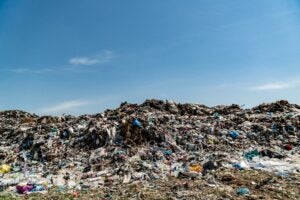
When food scraps and yard waste end up in landfills, they rot and release dangerous air pollution. That pollution includes methane – a greenhouse gas more than 80 times more potent than carbon dioxide when measured over 20 years – as well as smog-forming compounds and toxic carcinogens like benzene and vinyl chloride. Landfills are now the third-largest source of methane emissions in America, making them a major driver of climate change and poor air quality.
Communities living near landfills bear the brunt of this pollution. Emissions often contain hazardous air pollutants that increase the risk of cancer and respiratory disease. Low-income communities and communities of color face these health threats most acutely, compounding existing environmental and public health inequities.
Proven technologies can quickly find and fix methane leaks
Fortunately, proven and affordable solutions already exist. Advanced technologies like drones and satellites can identify large, “super-emitter” methane leaks that traditional monitoring often misses. By integrating these innovations into regulatory programs, agencies can quickly pinpoint high-emitting sites and require corrective action.
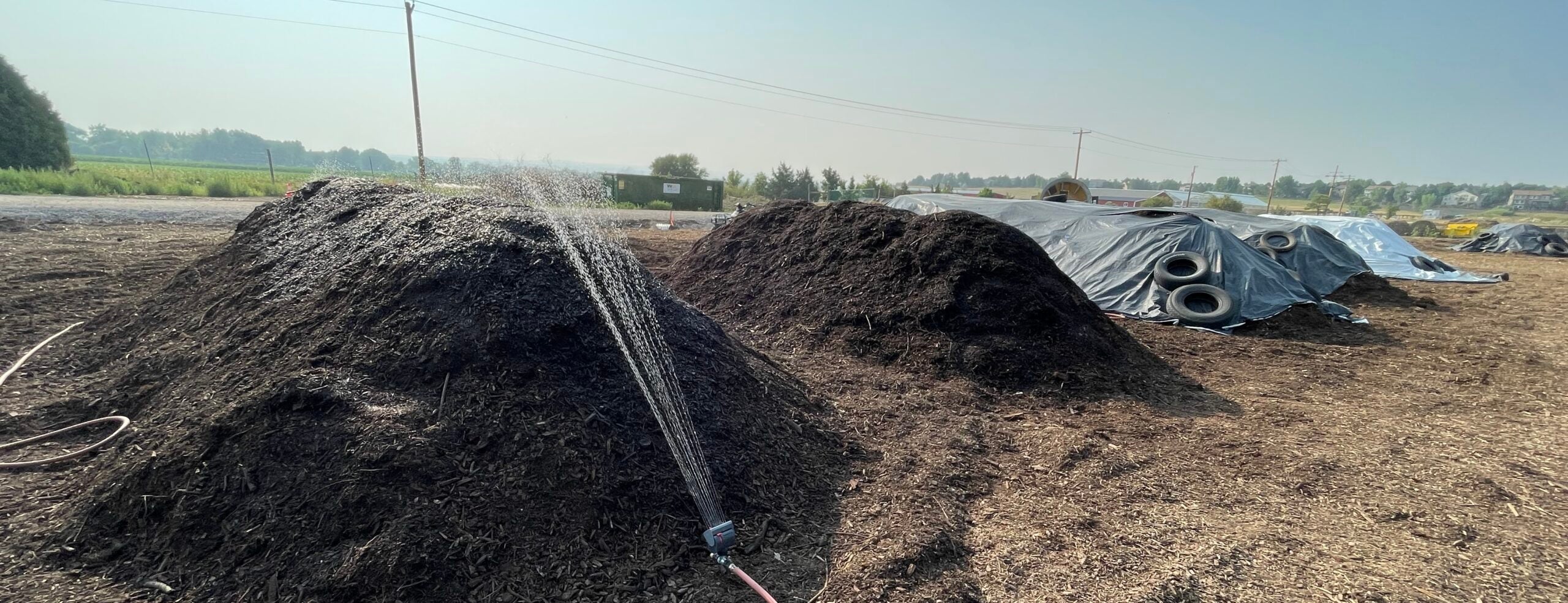
Upstream solutions matter, too. Diverting organic materials from the landfill, such as composting food scraps and yard trimmings, and recycling paper, cardboard, and wood prevent organic waste from generating methane in the first place. But even if we diverted all organic waste today, the material already buried in landfills will continue to produce methane for decades. This reality makes strong landfill controls essential.
Colorado raises the bar on cutting landfill methane nationwide
In December 2025, the Colorado Air Quality Control Commission adopted leading standards to dramatically cut methane pollution from landfills. The regulations require stronger leak detection, improved methane capture and destruction, better landfill cover practices, and the phase-out of open flares.
Once fully implemented, these rules will deliver major climate and health benefits. In 2020 alone, Colorado landfills emitted 4.5 million metric tons of carbon dioxide (CO₂) equivalent – roughly the same climate impact as driving more than one million gas-powered U.S. cars for a year.
Broad support forged a practical, commonsense solution
A broad coalition helped shape these rules. Environmental Defense Fund, Eco-Cycle, Moms Clean Air Force, Full Circle Future, Western Leaders Network, GreenLatinos Colorado, Black Parents United Foundation, Clean Air Task Force, Earthjustice and several other environmental organizations all voiced collective support for stronger protections, emphasizing health, climate and environmental justice benefits. Large landfill operators, including Waste Management, along with municipal landfill owners, also participated in the rulemaking process. Together, the parties negotiated a practical, commonsense framework to cut pollution and meet shared goals. Key regulatory updates include:
- Lower coverage thresholds, bringing more landfills under regulation
- Stronger methane capture requirements and gas destruction through enclosed flares
- Enhanced monitoring, including quarterly surface emissions surveys and advanced technologies
- Requirements for biocover systems or thicker intermediate cover to reduce emissions
Additionally, if remote sensing detects elevated methane emissions, landfill operators must investigate and begin corrective action within five days of notification and report results within fifteen days. All of these updates will reduce landfill emissions and lead to a cleaner, safer Colorado.
A national model other states can – and should – follow
Diverting organic waste remains the most effective way to prevent methane generation. EDF, Eco-Cycle and our partners will continue pushing for expanded composting and organics diversion programs to keep methane-producing materials out of landfills.
Colorado’s rules offer a powerful model for other states and federal policymakers. By adopting strong, scalable standards, the state is demonstrating it can curb landfill methane and protect public health efficiently. The benefits of state action far outweigh the costs. For example, Colorado estimates proposed landfill methane rules deliver at least $5 in benefits for every $1 in cost, with minimal impact on consumers. California reached a similar conclusion, finding benefits far outweigh costs.
With more states, such as New York, poised to act, transparent public processes and robust stakeholder engagement will be essential. EDF and Eco-Cycle will continue advocating for strong upstream solutions and robust landfill standards that deliver lasting climate, health and equity benefits.