










New tax guidance on alternative fuel infrastructure is big news for fleets
Posted: in Electric Vehicles
Written By

Share
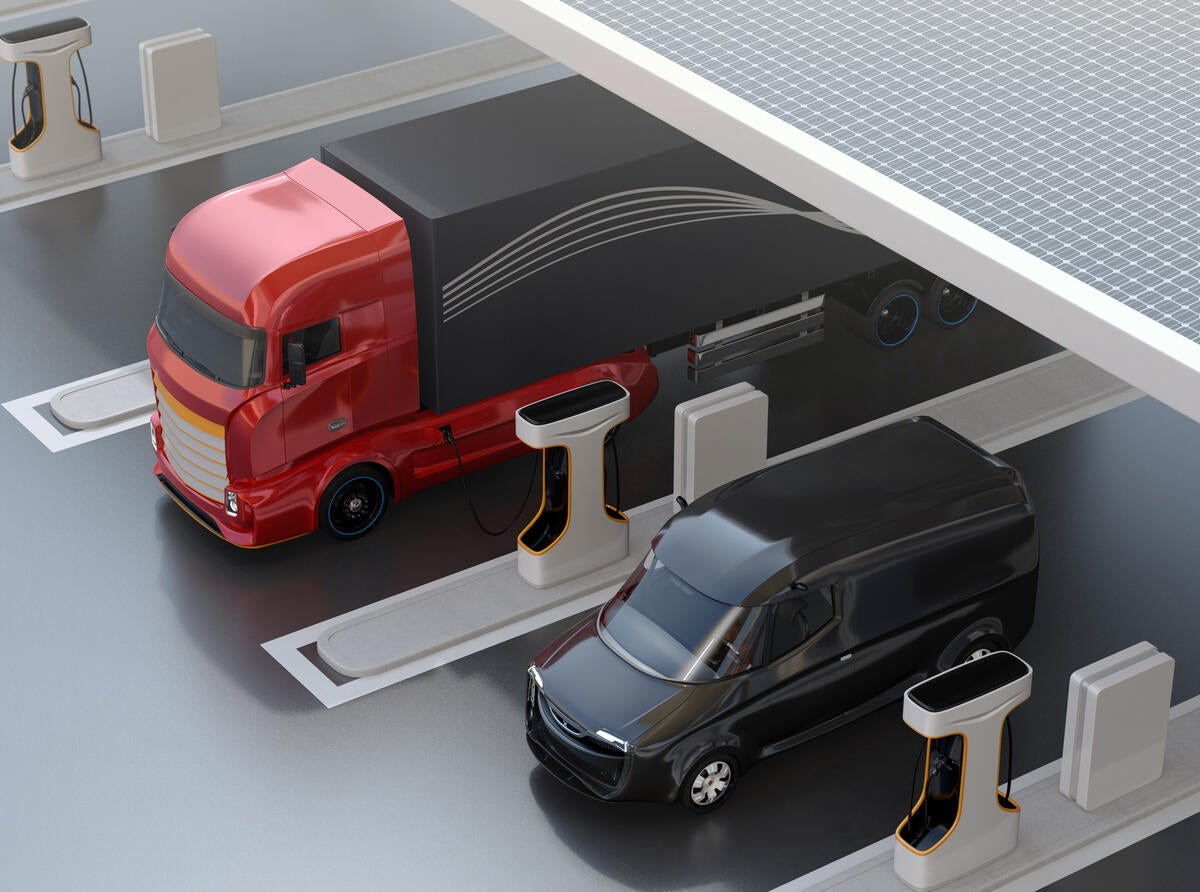
The U.S. Department of the Treasury recently issued new guidance on eligibility for the 30C Alternative Fuel Vehicle Refueling Property Credit, which provides a tax subsidy of up to $100,000 per charging port installed at private fleet depots and other logistics facilities.
The credit – which is available now for companies to take advantage of – will help supercharge the transition to electric heavy-duty vehicles by enabling companies to recoup a significant amount of the costs for installing charging stations at their facilities. This is in addition to make-ready incentives many utilities are already offering to support the installation of charging infrastructure at private facilities.
New tax guidance on alternative fuel infrastructure is big news for fleets Share on XHere are the details of what’s in the Alternative Fuel Vehicle Refueling Property Credit and who’s eligible:
- Provides a tax credit of up to 30% of the cost of refueling and charging stations for alternative fuels such as electricity, hydrogen, and biodiesel, with the credit capped at $100,000.
- The 30% credit is for companies meeting prevailing wage and apprenticeship requirements, otherwise it’s only 6%.
- The credit is available for qualified alternative fuel vehicle refueling properties placed in service after December 31, 2022, and on or before December 31, 2032.
- When the 30C tax credit was expanded under the Inflation Reduction Act in 2022, it made clear that eligibility is restricted to properties located in a census tract “that qualifies as a low-income community …. or that is not an urban area.” Treasury’s new guidance expands the number of communities that can qualify for the tax benefit, including “approximately two-thirds of Americans.”
The recent guidance is big news for fleets, especially those at the leading edge of electrification that are primarily charging at private facilities. Installing the chargers and associated equipment can require a significant investment. This tax credit helps to lower the upfront barriers for fleets and can be leveraged with other programs, such as the §45W Credit for Qualified Commercial Clean Vehicles that provides up to $40,000 per vehicle for new purchases of commercial clean vehicles.
Collectively, these programs are helping fleets launch and accelerate their electrification efforts. A recent EDF analysis found that of the nearly 13,000 electric trucks in service today, around 10,000 of those were put on the road in 2023, up from just 2,000 the year before. Today’s announcement will accelerate this trend by making it easier for fleets to overcome the cost of installing charging infrastructure.
Below are some additional resources for fleets to help navigate the road to electrification:
- IRS Guidance on 30C
- Map from U.S. DOE that outlines the 30C eligible tracks
- EDF Inflation Reduction Act Activation Guide
- Fleet Electrification Solution Center