







It’s Not Magic. It’s Voltage Optimization.
Posted: in Energy Efficiency, Illinois
Written By

Share
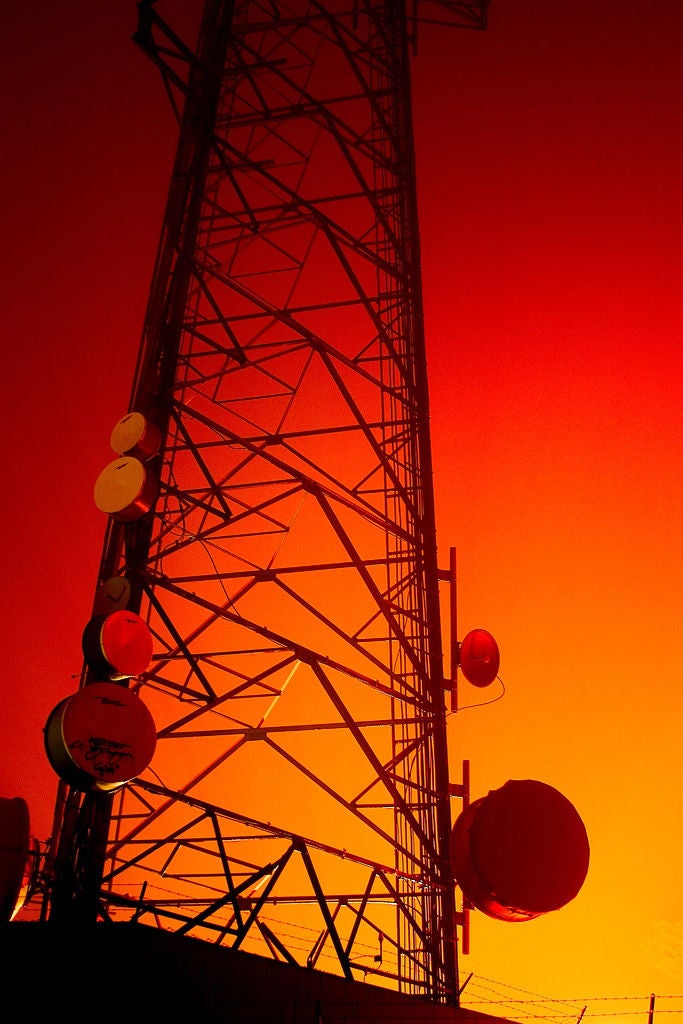
Imagine homeowners and businesses saving millions of dollars – and cutting pollution – without needing to do anything. Magic? No, but it does require electric utilities to take advantage of new technologies that better provide customers with just the right amount of voltage to their electrical outlets.
Many appliances, including incandescent lighting, work just as effectively, yet consume less energy, when the flow of electricity to them is reduced. Put another way, higher voltages generally make individuals and businesses needlessly use more energy, driving up electricity bills and air pollution. Therefore, if voltage was “right-sized,” residents would get enough power to run their appliances efficiently, but not so much that they use more electricity than needed.
What we’ve described above is “voltage optimization,” and a new study by Commonwealth Edison Company (ComEd) looking at this technology’s potential within Chicago and northern Illinois found it could reduce the need for almost 2,000 gigawatt-hours of electricity (enough to power 180,000 homes) each year at an amazingly low cost of less than two cents per kilowatt-hour – more than is achieved now from the utility’s other efficiency programs. This translates to $240 million per year in savings for ComEd’s customers, of which 90 percent could potentially benefit. The study also suggested full deployment of voltage optimization would only take about five years.
[Tweet “New Post from @DickMunson: It’s Not Magic. It’s Voltage Optimization. #energyefficiency”]
Costs and benefits
Like ComEd, a few utilities and regulators are beginning to realize voltage optimization is a lot less costly and risky than building new power plants and power lines. The introduction of smart meters and advanced meter infrastructure – including microprocessor-based controls, modern sensor technology, and advanced software algorithms – enables utilities to virtually measure electricity use and vastly improve the efficiency of its flow. Combining this meter technology with voltage optimization allows utilities to reduce electricity demand at peak times (like during a heatwave), improve efficiency throughout the power grid, cut harmful air pollution, improve electric reliability, and integrate more renewable generation resources, like wind and solar.
Environmentalists also support voltage optimization, but don’t want it to take away from other energy efficiency programs. ComEd, unfortunately, has proposed legislation that would allow it to profit from voltage optimization while reducing its commitment to existing programs that encourage residents and businesses to switch out inefficient light bulbs and appliances and to install insulation.
That debate will play out over the next couple of months within the Illinois General Assembly. Yet, there’s no doubt modern technologies are giving electric utilities new tools to substantially cut costs and pollution without asking anything of its customers. Maybe not magic, but voltage optimization is one attractive investment.