






Trading Away Blue Nutrients
Written By

Share
International trade shapes access to blue nutrients in Pacific Island Countries
By: Keiko Nomura, University of Colorado Boulder, and EDF’s Jacob Eurich
Blue foods like fish, shellfish, and algae are central for diets around the world. Beyond calories, they deliver “blue nutrients” important to people’s health, like protein, omega-3 fatty acids, and essential vitamins and minerals that are hard to replace with land-based foods. Yet the future of blue food faces growing pressure from climate change, shifting consumer demand, and the ongoing challenge of sustainable fisheries management. Among these pressures, international trade stands out as a powerful force shaping who gets access to these resources and where they end up. While seafood is among the world’s most traded commodities, a large proportion is sourced from developing countries.
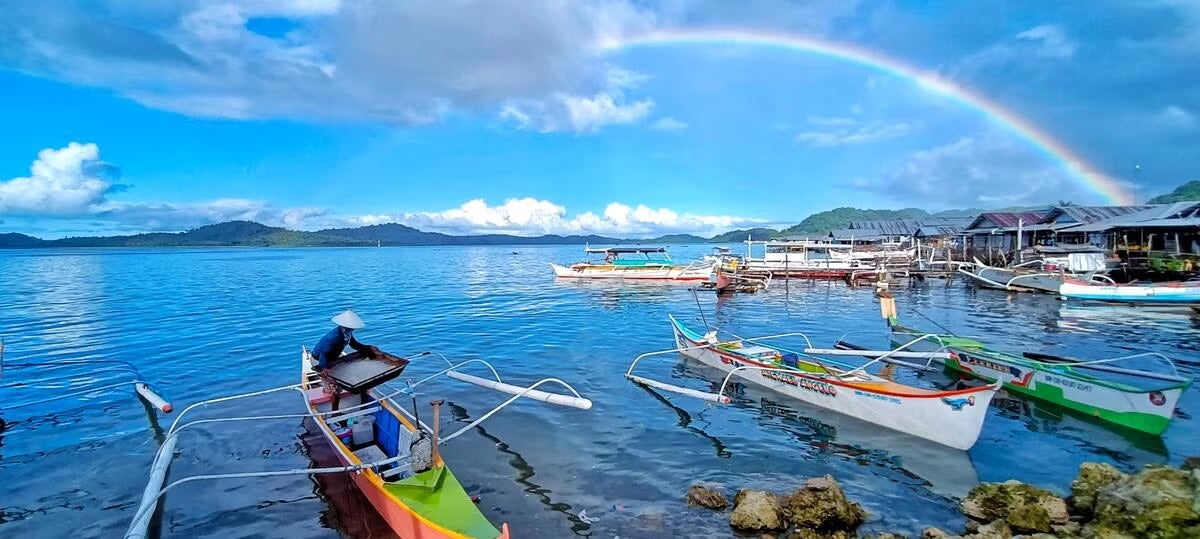
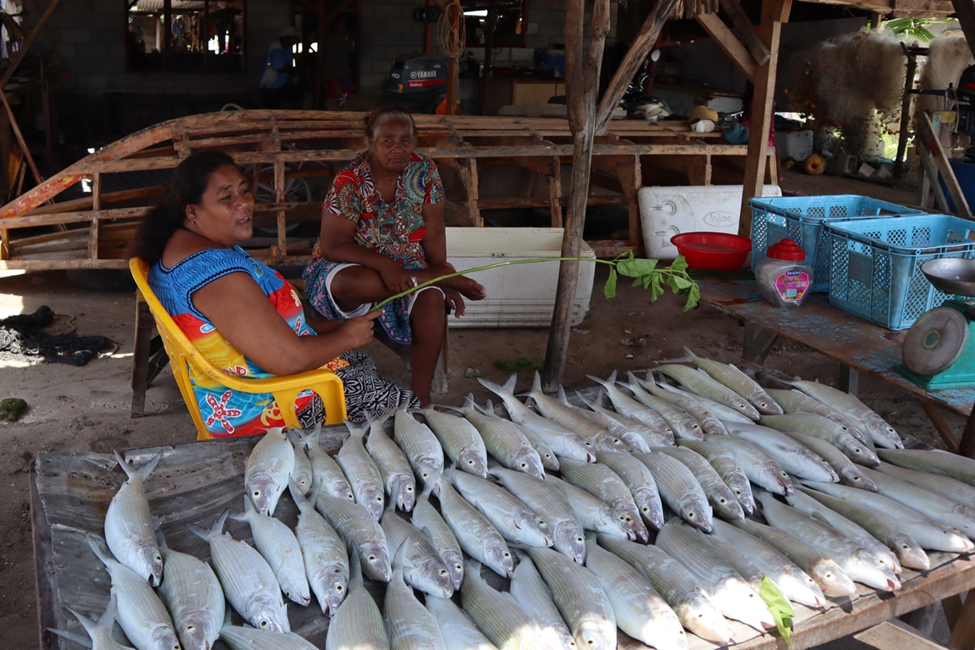
In Pacific Island Countries, blue foods play a central role in diets, culture, and livelihoods. Fishing remains a cornerstone of local economies, with most of the world’s tuna harvested from the Western Pacific. However, global trade patterns often redistribute seafood – and thus blue nutrients – away from where they are caught and toward high-income countries. When so much of the Pacific’s catch flows abroad via trade, what does that mean for blue nutrient retention within Pacific Island communities?
New Science on Blue Nutrient Flows
In a recent paper in Fish and Fisheries, researchers examined how Pacific Island Countries fit into the global seafood system, and how trade redistributes blue nutrients across borders. Using nutrient information and new high-resolution global datasets that track seafood production and trade by species, the researchers were able to trace how nutrients move through international supply chains in ways that weren’t feasible before.
The study found that Pacific Island Countries are major sources of blue nutrients, driven largely by tuna fisheries, but much of that value leaves the region. On average, Pacific Island Countries export about 54% of the total blue nutrient production from fisheries. These exports lead to substantial nutrient losses that may otherwise contribute to local diets. The study also showed that the trade network itself is fragmented and dominated by a handful of central countries. Within this system, Papua New Guinea and Fiji act as key hubs in the trade network, connecting Pacific nations to distant markets and influencing how blue nutrients circulate.

Balancing Trade & Local Nutrition Needs
This research offers a novel, data-driven look at how blue nutrients move through international trade, showing that seafood exchanges are not just about economics but also about nutrition and equity. By leveraging large global datasets, the study reveals both the dependencies and vulnerabilities that define the global seafood system.
For fisheries policy and management, the findings highlight the need to better integrate nutrition goals into fisheries governance and trade planning. For instance, strengthening local supply chains, designing equitable trade agreements to better serve producing countries, and prioritizing nutrition in blue food policies could help Pacific Island Countries capture more of the benefits from their own marine resources. Investing more in local coastal fisheries capacity could also enhance the nutrition these systems already provide. These efforts are increasingly recognized across the region and internationally, and this new science adds evidence to ongoing conversations about where change is most needed.
As the world becomes more interconnected, the challenge is clear: how to balance the economic opportunities of trade with the nutritional needs of communities. Getting that balance right will be key to building food systems that are not only sustainable and resilient but also fair and nourishing as blue foods play a growing role in feeding the world.
Connecting Research to Action
EDF is a joint secretariat of the Aquatic Blue Food Coalition, which brings together partners to champion aquatic foods for healthy diets, resilient livelihoods, and a changing climate. The coalition started with the UN Food Systems Summit to help unlock the potential of blue foods for food security, climate resilience, and biodiversity. Visit aquaticbluefood.org to explore the coalition’s work and see how blue foods can play a bigger role in shaping sustainable food systems.