







Improving Coral Reef Wildlife Trade Can Protect Reef Ecosystems
Posted: in
Written By

Share
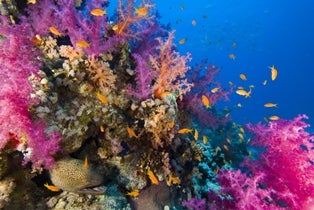
Coral reefs and their wildlife already face threats like ocean acidification and overfishing. The international trade in coral reef wildlife for “ornamental” uses like household aquariums, home décor, and jewelry also harms these ecosystems and reduces their ability to recover from other threats.
While EDF works with fishermen and fishery managers to use catch shares to end overfishing, we’re also working with other conservation and humane advocates to find solutions to the coral reef wildlife trade problem.
The problem’s scale is huge and growing. Globally, more than 30 million fish, 1.5 million live stony corals, 4 million pounds of dead coral and 5.5 million pounds of shells from thousands of species are removed from coral reef ecosystems in 45 countries each year.
The United States is the destination for up to 60% of these creatures. Though some U.S. importers demand responsible stewardship, most do not, so coral reef wildlife sold here are typically collected and imported using practices that cause significant environmental harm to wildlife and their surrounding environments.
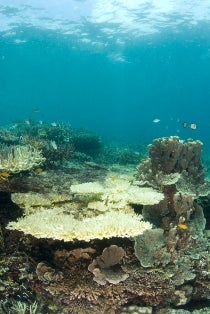
Collectors often squirt toxic chemicals like cyanide, bleach or gasoline into waters around coral reefs as sedatives, or they crush delicate corals to make collection of fish easier. These practices destroy critical habitats, remove the parasite cleaners and fragile reef-building species that rebuild and maintain the reef, and dramatically reduce biodiversity. To make matters worse, inhumane practices like these mean up to 40% of animals taken for importation die shortly after collection, forcing collectors to take even more animals, accelerating damage to coral reef ecosystems.
We can all be part of the solution.
If you’re stocking a home or business aquarium, ask the store for assurances that the creatures were collected and imported using sustainable and humane practices.
Solving this serious problem begins with understanding it. By improving the way we trade in coral reef wildlife, we can protect the health and sustainability of coral reef wildlife and the ecosystems they call home.