






NOAA Faces Significant Budget Cuts: What’s at Stake?
Posted: in Policy
Written By

Share
The National Oceanic and Atmospheric Administration (NOAA) provides critical services to everyday Americans, but the Trump Administration has proposed a 26 percent cut to its budget.
By: Olivia Stevens, Project Manager, Federal Legislative Campaigns
Before a hurricane makes landfall, NOAA helps communities prepare for impact. Before fishermen head out to sea, NOAA provides information and data to ensure their catch is productive, sustainable, and safe. Before farmers plant crops, NOAA helps them make informed decisions based on weather and climate forecasts.
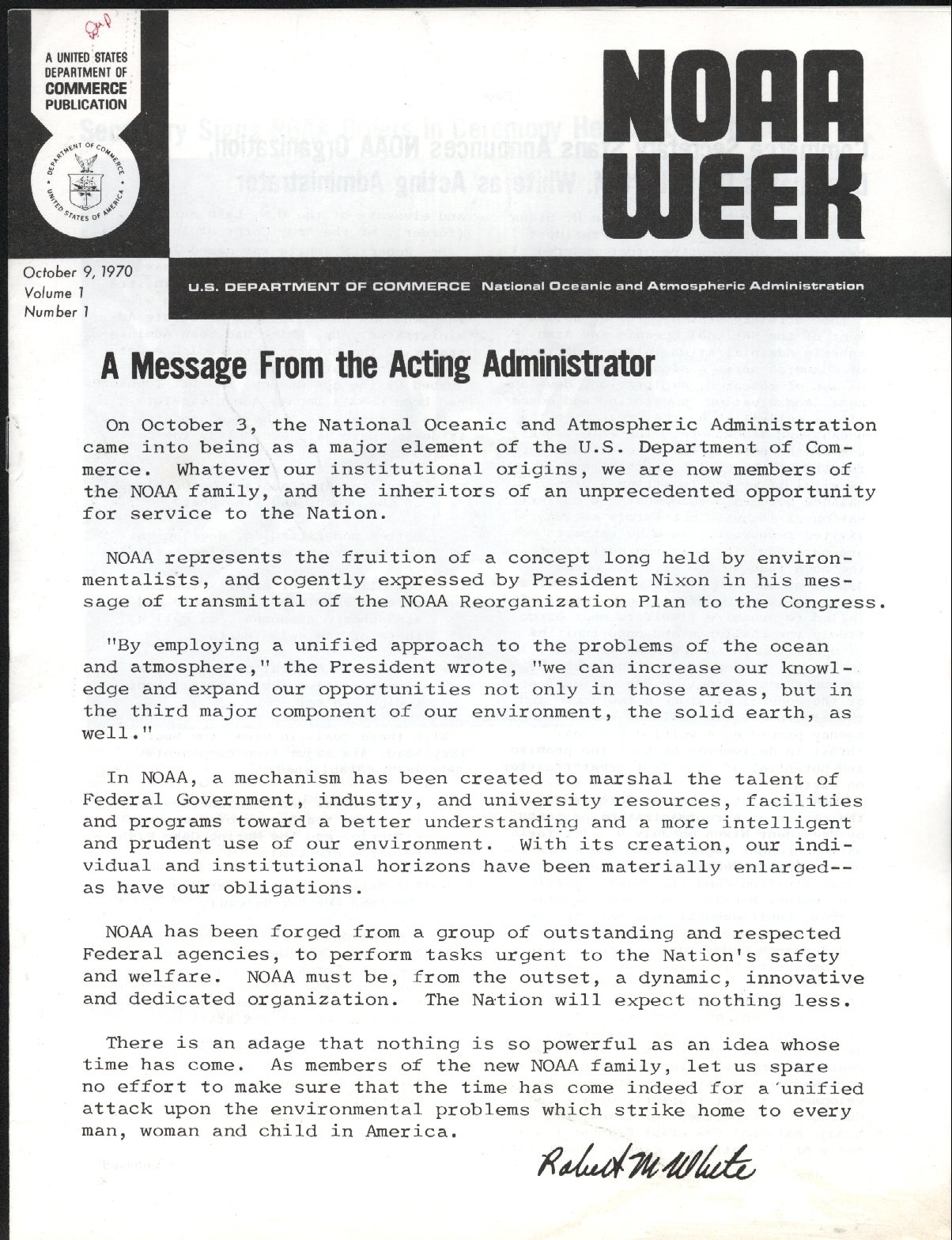
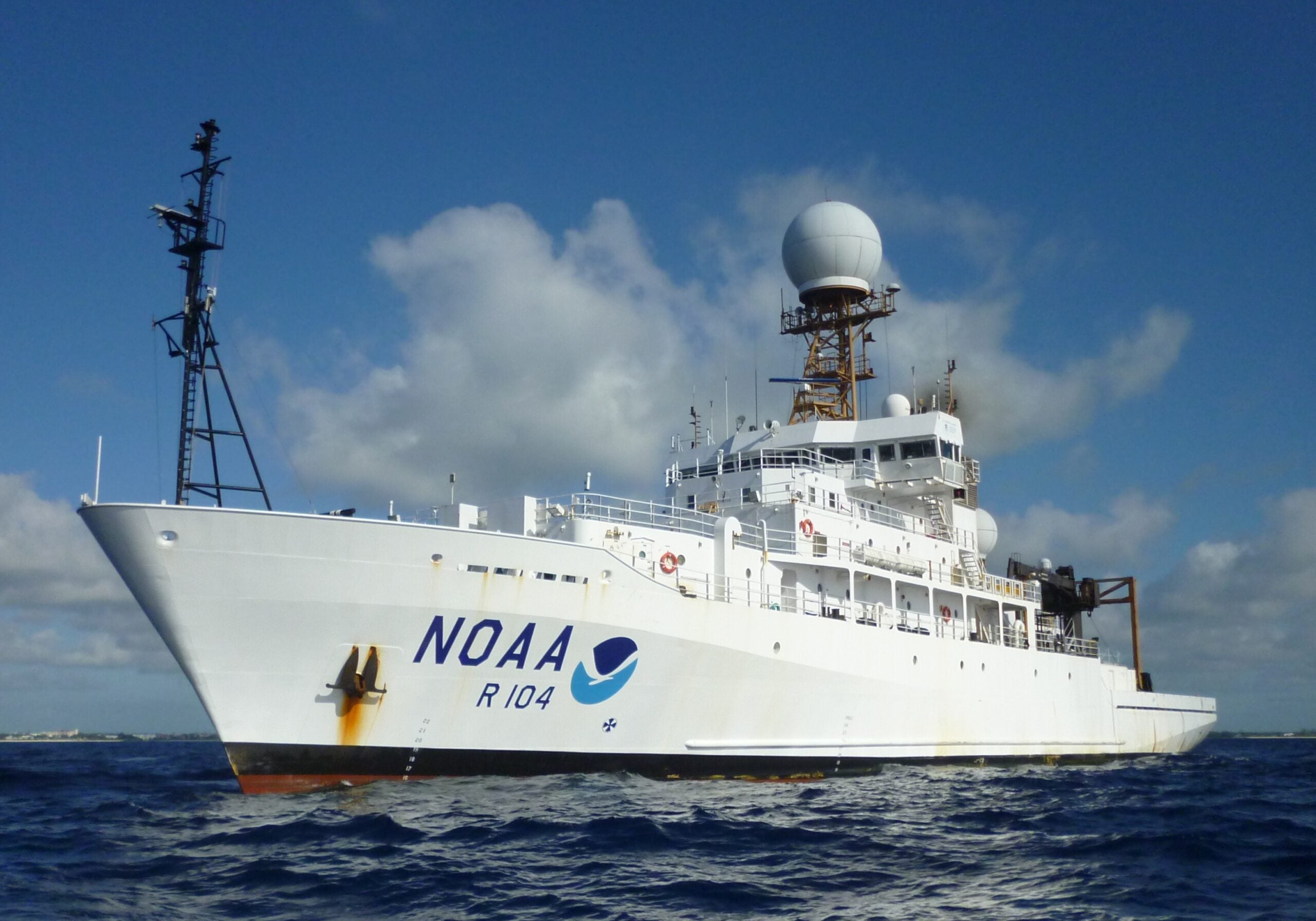
For more than fifty years, the National Oceanic and Atmospheric Administration (NOAA) has served as the nation’s trusted source of weather, climate, ocean, and fisheries science. The agency’s role cannot be understated—underpinning weather safety, coastal economies, and the conservation of marine resources. As Congress and the Administration negotiate federal spending levels for fiscal year 2027, which begins October 1st, critical NOAA programs are at risk. Understanding its function and why it matters has never been more important.
A bipartisan legacy of protecting Americans
NOAA was established in 1970 under President Richard Nixon as part of a government reorganization effort, consolidating several existing organizations—such as the U.S. Coast and Geodetic Survey, the U.S. Weather Bureau, and the Bureau of Commercial Fisheries—into one. The creation of NOAA reflected bipartisan recognition that US citizens benefit from federal investment in understanding and managing our natural resources. From the seafood we eat to the weather alerts that protect our families, NOAA provides services that Americans rely on every day—even if many never realize it.
NOAA’s work touches everyone

NOAA’s services are woven into daily life.
The agency’s National Weather Service provides daily forecasts and severe storm warnings that help families, businesses, and emergency responders prepare for storms, floods, heatwaves, and more. Its predictions protect lives and reduce damages to homes, infrastructure, and local economies.
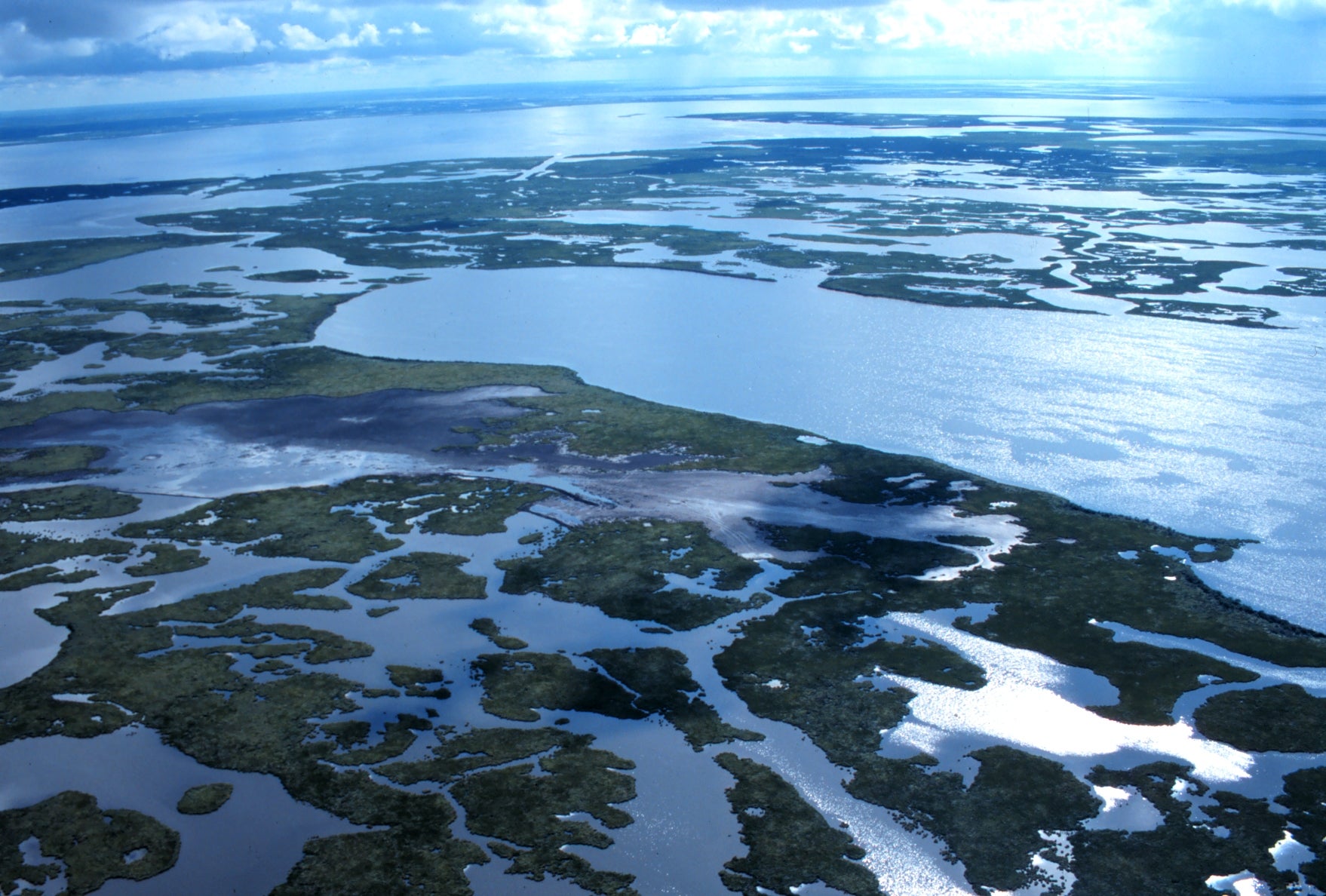
For coastal communities, NOAA provides critical information to respond to sea level rise, flooding, and changing ocean conditions. Through coastal management programs, ocean observation, and habitat restoration, NOAA helps communities make informed decisions that can mean the difference between resilient homes, roads, or power grids and leaving them vulnerable to destruction.
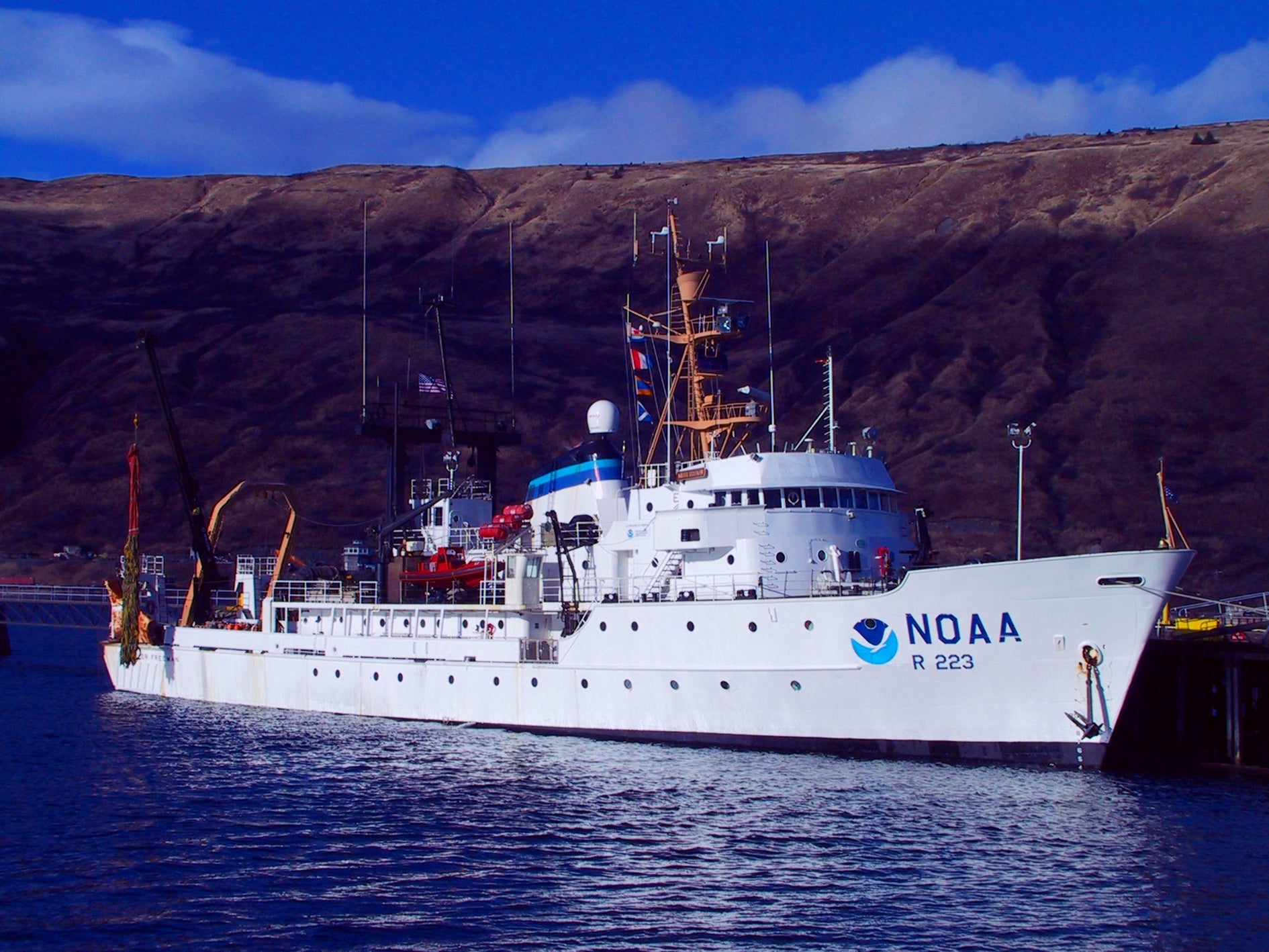
For the millions of people who make a living on the water, NOAA is a critical part of daily life. Commercial fishermen use NOAA data to know where fish populations are healthy, what they can legally catch, and how to plan successful seasons without depleting fish stocks they rely on. In 2023 alone, US fisheries provided nearly two million jobs and generated hundreds of billions of dollars in sales impacts—these are economies that NOAA helps sustain. The agency supports coastal businesses while keeping fisheries productive, ensuring that you and I can put sustainable seafood on the dinner table for years to come.
Perhaps most crucially, NOAA helps us understand how and why the climate is changing, and what steps communities and decision-makers can take to mitigate the worst impacts.
If you’re interested in how NOAA works for your community, check out EDF’s NOAA Footprint map.
The agency is in jeopardy
In April, the Trump Administration released its Fiscal Year 2027 Budget Request to Congress, a preliminary blueprint that is often used as a starting point for Congressional negotiations. The proposal calls for a devastating 26 percent reduction to NOAA’s budget and the elimination of 35 programs and institutes—more than $1 billion in cuts. These cuts include:
- Eliminating NOAA’s Office of Oceanic and Atmospheric Research (OAR). OAR is the agency’s primary research arm, responsible for improving our understanding of severe weather, climate change, fisheries ecosystems, air quality, and more. Without OAR, climate research will struggle to keep pace with escalating effects of climate change, and we’ll all pay the price.
- Eliminating programs that support coastal communities, including Coastal Zone Management grants, Integrated Ocean Observing System (IOOS) observations, and National Estuarine Research Reserves. These programs monitor and protect our coasts, and without them, communities will be left with fewer tools to prepare and respond to rising seas and stronger storms.
- Cutting NOAA Fisheries by 37%. NOAA scientists assess fish populations and set sustainable catch limits so commercial fishers can plan for their small businesses, recreational fishers can enjoy the sport, and we can all eat seafood. Deep cuts could delay fishing seasons, create uncertainty for fishers, and affect the communities, restaurants, and family fishing trips that depend on healthy fisheries.
- Eliminating roughly 1,600 NOAA positions. Losing experienced scientists, forecasters, engineers, and fisheries experts could mean undermining decades of expertise and severely limiting NOAA’s ability to deliver the resources that Americans rely on. This would come on top of extensive staff layoffs and departures from NOAA in 2025, which markedly reduced staff capacity and institutional knowledge.
Combined, these budget and staff cuts would weaken NOAA’s ability to help keep people safe, protect communities, and support industries that depend on accurate weather forecasts and healthy oceans, making it nearly impossible for the agency to carry out its vital mission.
As the climate continues to change, we’ll be forced to contend with its consequences: rising seas, stronger storms, worsening floods, and changing ocean conditions. Agencies like NOAA are needed more than ever to help us understand how and why the climate is changing and deliver innovative solutions to protect people and the resources we depend on.
There are reasons to remain hopeful. Last year, the administration proposed similarly steep reductions to NOAA’s budget, which Congress ultimately rejected. As they draft this year’s budget bills, Congress faces the same choice: enact cuts that weaken one of the nation’s most valuable scientific agencies or set commonsense funding levels that allow NOAA to operate as it was intended, investing in a more fruitful and resilient future.