








As Attempts to Plug Spill Continue to Fail, Use of Dispersants Will Likely Grow
Posted: in Gulf of Mexico
Written By

Share
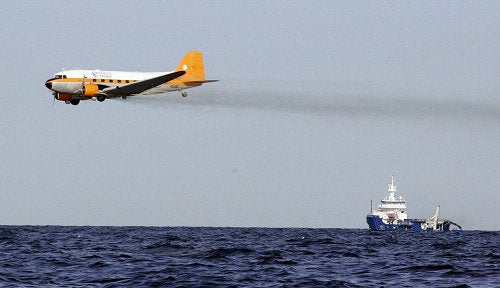
As attempt after attempt to plug the BP Oil Disaster fails, and the ability to drill relief wells lies months in the future, BP may spread many more dispersants into Gulf waters in the near future. Read this week’s Wall Street Journal article on this topic.
EDF’s goal for the Gulf of Mexico is to ensure that people can enjoy fishing, run profitable and safe fishing businesses and eat fresh Gulf seafood, while conserving a healthy ecosystem for the future. Dispersants are a direct threat because scientists don’t know much about how the droplets of oil and dispersant chemicals that float around will affect fish habitat or the marine food chain.
EDF senior scientist Richard Denison asks several basic questions about dispersants on his Chemicals Blog, including:
- Why aren’t we using the safest and most effective dispersants in the Gulf?
Richard reports that of the 18 different dispersants the Environmental Protection Agency (EPA) has tested, the two dispersants of choice— Corexit® brand— ranked only 13th and 16th in effectiveness. - What part of “contingency plan” did we not understand?
Richard and others takes a look at the federal government’s contingency plan for dispersant use in oil spills and find that several simple questions remain unanswered, including: Read more.- Do the dispersants actually work to reduce the impact of the oil?
- Is it better to disperse the oil or leave it undispersed?
- Is the mixture of oil and dispersant more or less toxic than the oil by itself?
The bottom line is that scientists have little understanding of how dispersant chemicals will affect the Gulf and marine life. If their use is allowed to continue, BP should use the safest and most effective products available, and make a long-term commitment to support research that evaluates their ecological and human-health impacts.