








Cuba’s Marine Life and Coastal Communities at Risk from BP Oil Disaster
Posted: in Cuba, Gulf of Mexico
Written By

Share
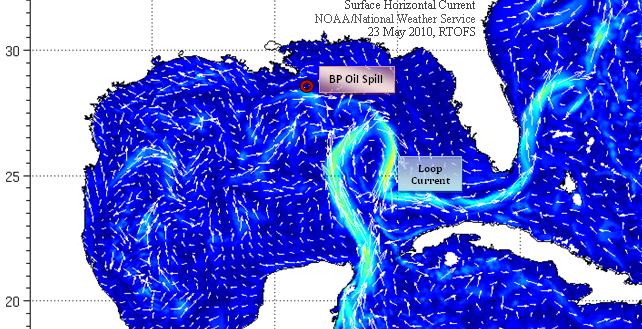
This week, federal regulators increased the size of the Gulf fishery closure to 37% percent of federal waters. As the disaster continues, concerns are spreading across international boundaries, including to Cuba where the U.S. closure already abuts 250 miles of that nation’s waters.
Most at risk is the ecologically rich northwest coast of Cuba, home to coral reefs, seagrass beds, and mangrove forests. These ecosystems are breeding, nursery and feeding grounds for fish, sea turtles, sharks and manatees. At the same time, these systems protect coastal communities from hurricanes and storm surges. Like the U.S., this disaster threatens important economic activity and livelihoods from commercial fishing to eco-tourism.
EDF’s Cuba program is sharing information with Cuban officials, scientists, and conservationists, helping the country keep a watchful eye on the path of the oil. Unfortunately, the political differences between the U.S. and Cuba means there are no official mechanisms to communicate and cooperate on the crisis.
I recently spoke at the New America Foundation in Washington, D.C., calling on the Obama Administration to work with Cuba. EDF also supports similar recommendations in a report from the Brookings Institution entitled, Coping with the Next Spill: Why U.S.-Cuba Environmental Cooperation is Critical.
For half a century, a political gulf has divided our two countries. Finding ways to collaborate to respond to the BP oil disaster is in our mutual interest—to help Cuba prepare and respond to the worst, and to develop a strong foundation for the future to protect our shared environment. It is time for a pragmatic approach.
Never miss a post! Subscribe to EDFish via a email or a feed reader.

One Comment
It is a turning point that will bring people together or polarize them…. we shall see. The “behavior” of the US will be critical, so spread the collective word that working together is in everyone’s best interest and it is too bad that something like this had to make it forced.