









New Climate Report: Life in a Very Different United States
Posted: in Extreme Weather, Science
Written By

Share
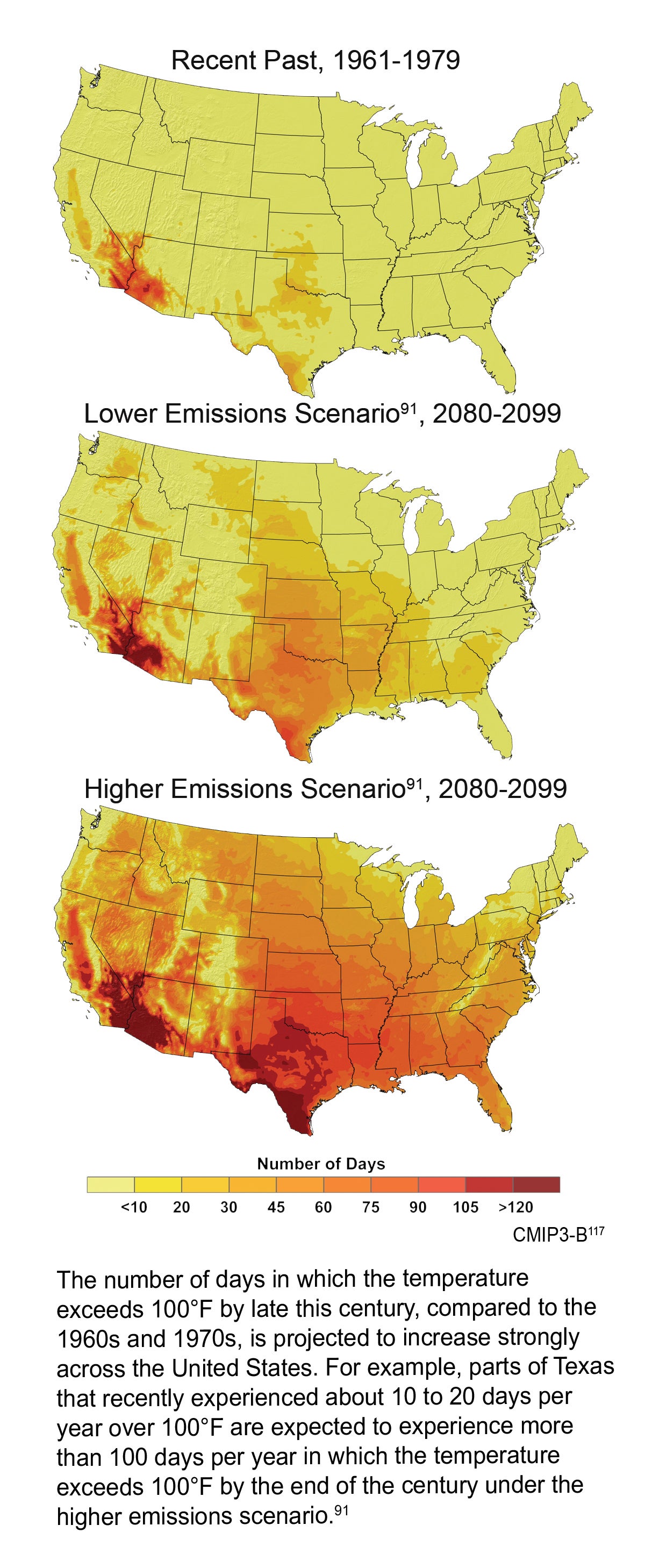 NOAA just released a terrific scientific report that explains, in plain English, the current and projected effects of climate change on the U.S. The nonpartisan report, prepared by the 13-agency U.S. Global Change Research Program, tells a grim but important story, clearly and with lots of powerful maps and charts. I encourage you to check it out to see how climate change will affect your area of the country.
Here are some of the “business-as-usual” projections that my colleagues and I find most striking and disturbing:
You think August is hot now?
By the end of this century, we could be in for much more severe summers all across the country.
- If you live in New Hampshire, summer could feel like it does today in North Carolina (p.107).
- If you live in Michigan, brace yourself for summers that feel like today’s summers in Oklahoma (p 117).
- And if you live in Texas, you now experience 10 to 20 days a year over 100 °F. By the last two decades of this century, look for 100 such days – that’s more than three months (p. 90).
- In 1995, Chicago suffered a heat wave that killed more than 700 people. Chicagoans could experience that kind of relentless heat up to three times a year (p. 117).
- The Southwest, including cities like Los Angeles and Phoenix, will face worse and more frequent droughts, as spring rains decline by as much as half, snowpacks shrink and melt earlier, and water evaporates more rapidly (p. 129-130).
People who live on the coasts could be a lot closer to the shore
Sea level is projected to rise up to 3 to 4 feet. Here’s what that means for various parts of the country:
- Portions of New York City and Boston could be regularly flooded by storms and even high tides (p. 150).
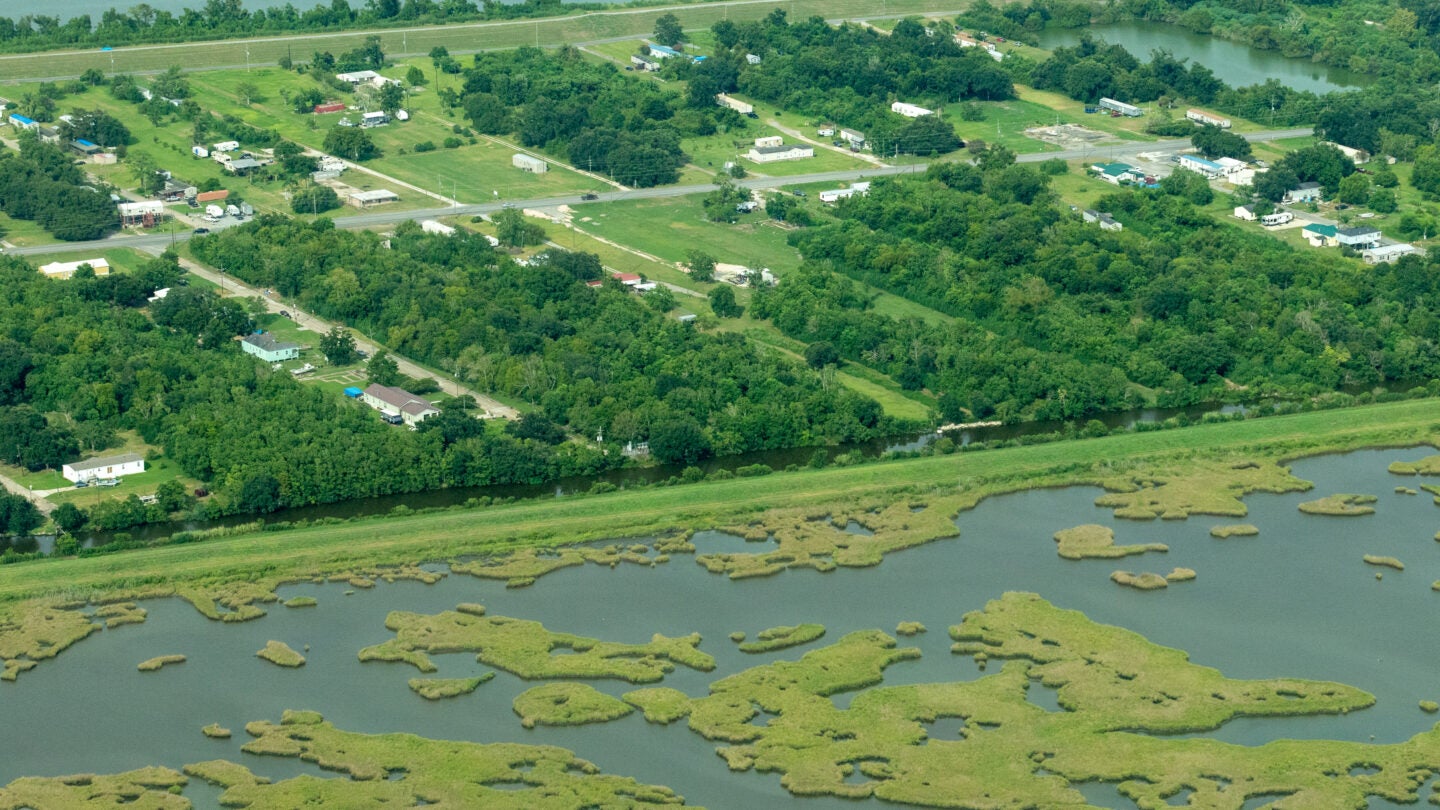
- On the Gulf Coast, approximately 2,400 miles of roads and 250 miles of freight rails are likely to be permanently flooded (p. 62). This area is home to seven of the nation’s ten largest ports and much of our oil and gas industry.
- Some coastal freshwater sources will be contaminated with saltwater, meaning we can no longer use them for drinking water without expensive desalinization (p. 47)
Your grandchildren will miss out on local icons and specialties
The foods and activities that define different parts of the country are changing.
- Some western ski resorts could face a 90 percent decrease in snowpack, making the country’s most iconic ski locations just shades of what they are today (p. 133).
- Thanksgiving might no longer include cranberries produced in the Northeast’s cranberry bogs (p. 73).
- In the Northwest, salmon will be driven out of about one-third of their habitat. We could start to see the changes in the next ten years (p. 137).
This very thorough scientific report paints a bleak picture of what life will be like in this country if we let pollution continue at today’s rate. The report’s good news is that if we act now, we can avoid the most severe consequences. But the more sobering news is that even if we cut emissions aggressively, not everything in this report can be avoided. This is a first step toward understanding how to prepare for the coming changes.
The American Clean Energy and Security Act, which would take us off the “business-as-usual” path, will come in front of the U.S. House for a vote in a matter of days. This report gives our leaders yet another reason to do the right thing for our country’s future.

2 Comments
Nicely summarized account of some bleak scenarios. The video press release was a bit dry, but you did a nice job of bringing this together.
This is a bunch of crap, based on computer models that are not accurate. If you would just take a look at the history of climate change, you would see the pattern. There is nothing humans can do to affect the climate. Go back to school and learn the basic scientific principles.