








Why timescales matter in developing carbon dioxide removal strategies

Research from Environmental Defense Fund shows that when it comes to evaluating the climate efficacy of carbon dioxide removal (CDR) strategies, timescale matters.
CDR strategies like wetland restoration and direct air capture are critical for reaching net-zero targets. We typically assess their potential climate benefit by calculating the amount of net carbon dioxide equivalent (CO2e) emissions removed from the atmosphere, balancing the emissions and removals of various greenhouse gases (GHGs) by their climate impact over the 100-year timeframe.
However, some CDR strategies can increase other greenhouse gases, including methane that has a much shorter lifetime in the atmosphere. That warms the climate in the near term. This new study uses wetland restoration as a case study to demonstrate that relying only on long-term metrics can overlook potential near-term warming impacts.
The limits of GWP 100
Most climate assessments today use the 100-year Global Warming Potential (GWP100), which compares the climate impact of a non-CO2 greenhouse gas emission to an equal amount of CO2, allowing all greenhouse gases to be expressed as the net CO2e, comparing all emissions to carbon dioxide over a 100-year time horizon.
This metric allows us to represent the climate impacts of multiple greenhouse gases on the same scale. With GWP100/CO2e as the standard, results are often reported as CO2e with no mention of the timescale, or near-term impacts.
Methane is a potent, short-term climate accelerator, and its short-term impacts can be diluted and under accounted for using only the GWP100/CO2e metric because for 80 out of the 100 years it’s evaluated, the pulse of methane is no longer in the atmosphere. That can create a blind spot in our evaluation of these strategies’ climate benefits.
Case in point: wetland restoration
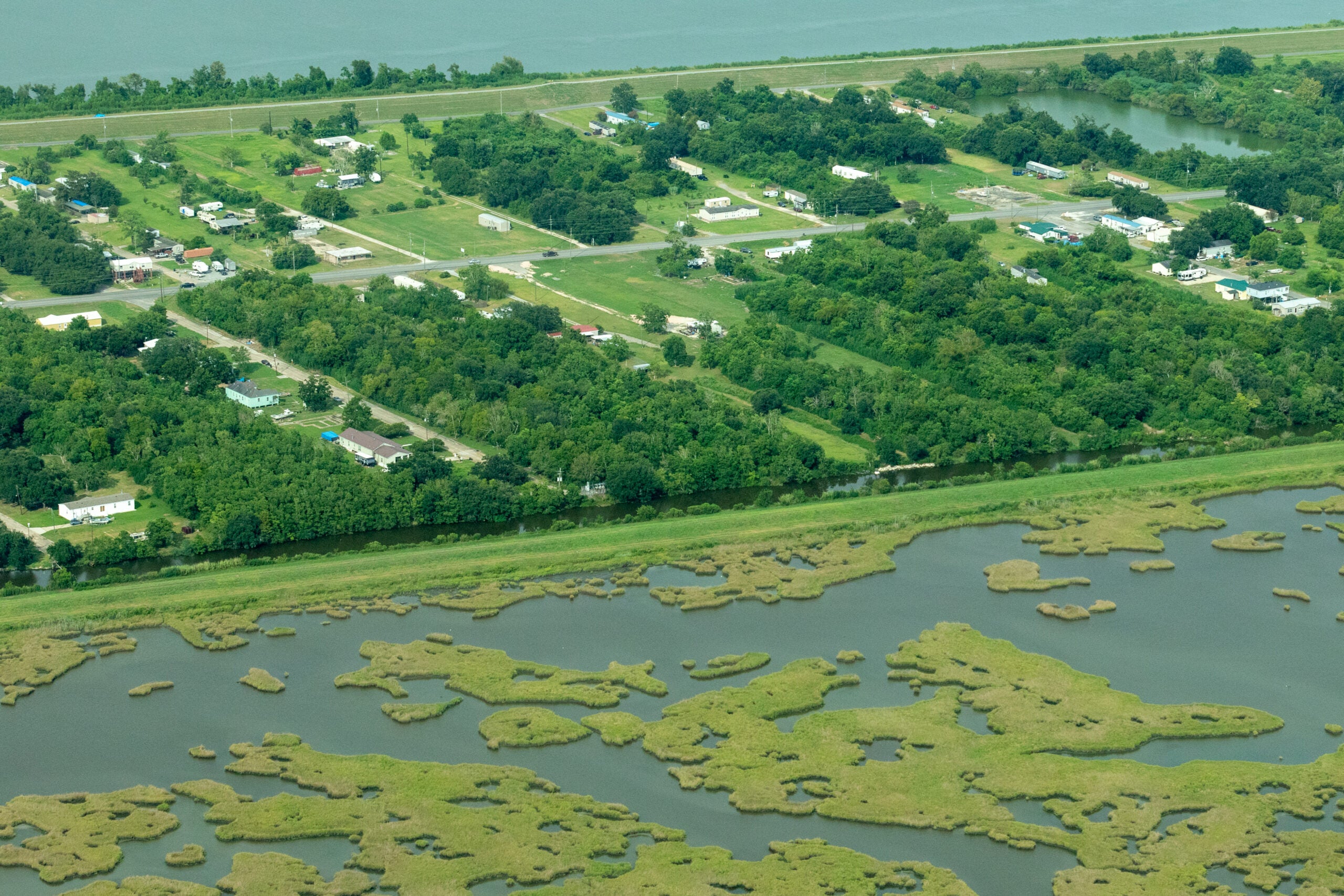
Wetland restoration illustrates the importance of timescales. Restored wetlands act as a carbon sink and provide major ecological benefits, yet saturated soils can generate methane. The net climate impact depends not only on how much CO2 is removed from the atmosphere, but also on the full set of greenhouse gases involved and the metrics chosen to evaluate their relative impacts. The results suggest that perceived climate benefits may be undermined by the extent of methane emissions.
The EDF study also provides a practical framework to account for the climate impacts of all greenhouse gases across different time horizons, which can be used to evaluate any CDR strategy. With basic emissions data, users can apply arithmetic or more advanced open-source modeling tools. This gives researchers and decision-makers visibility into both potential near-term climate risks and long-term climate benefits, helping them fine-tune their CDR project designs.
Carefully designed CDR strategies
Recognizing potential trade-offs gives us the opportunity to design more effective CDR strategies. It’s like planning a budget: long-term gains may be well worth the short-term expenses, but it is certainly better to plan for and track current spending. Better yet, the “short-term expense” could be managed. For example, wetland restoration project developers can potentially choose sites and practices that limit methane emissions increases or complement CDR with other methane mitigation strategies.
Accounting for the climate impacts of various greenhouse gases using both near- and long-term metrics in CDR research is the first step. Policymakers should encourage climate benefit evaluations that go beyond carbon dioxide and 100-year effects before pursuing CDR strategies. Doing so helps ensure near-term warming doesn’t undermine long-term climate goals. This new framework from EDF helps fill this gap in our thinking, so CDR can genuinely serve both near- and long-term climate goals.