









Middle Path Initiative: A way forward for solar radiation modification research and governance
Posted: in News
Written By

Share
Summary
- Solar radiation modification is a set of approaches intended to cool the planet by reflecting a small portion of incoming sunlight back into space.
- Solar radiation modification is a controversial topic that is often framed as a choice between deployment or prohibition. But the most urgent task is neither: it is building a process that is capable of informing and governing future decisions and providing agency for climate-vulnerable voices.
- The Middle Path Initiative is a collaboration of civil society organizations, centered in climate-vulnerable regions, that calls for an approach to solar radiation modification focused on inclusive inquiry, deployment restraint and legitimate future choice around its usage.
The Middle Path Initiative is a collaboration of Civil Society organizations, centered in Climate-Vulnerable regions, that calls for an approach to solar radiation modification centered on inclusive inquiry, deployment restraint, and legitimate future choice.
The Initiative’s inaugural white paper, including principles and recommendations for policymakers, civil society and philanthropy, launches today.
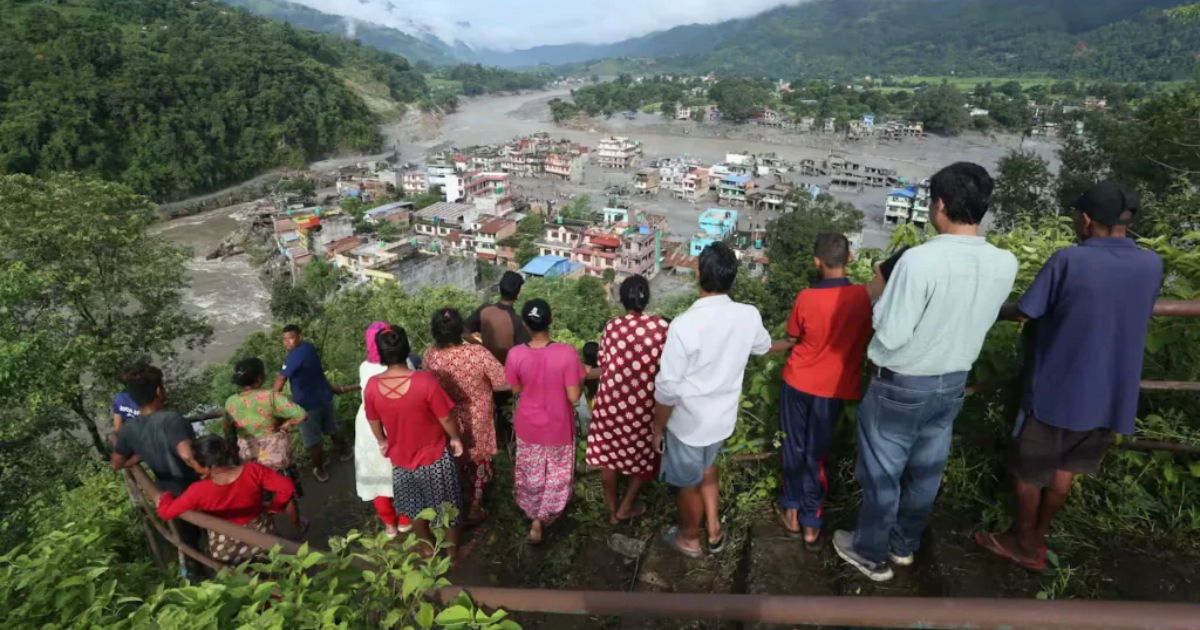
One of my co-authors on the Middle Path Initiative inaugural White Paper, Sanot Adhikari, asked for forgiveness from the group last month, noting that he would be out of communication for a few weeks. Sanot is the Executive Director of the Youth Alliance for Environment in Nepal. “I am currently in the field in the Trans-Himalayan region,” he wrote. “The recent landslide and flooding have once again reminded us of the growing risks and human suffering associated with climate change… But we remain hopeful that, together, we can strengthen our efforts for climate resilience.”
It was a stark reminder: severe climate change is no longer a future problem. Around the world, communities are experiencing escalating heat, flooding, drought, food insecurity, ecosystem loss and other climate impacts. And without much faster progress on emissions reductions, those impacts are likely to become more severe.
Where polarized dialogue narrows the field
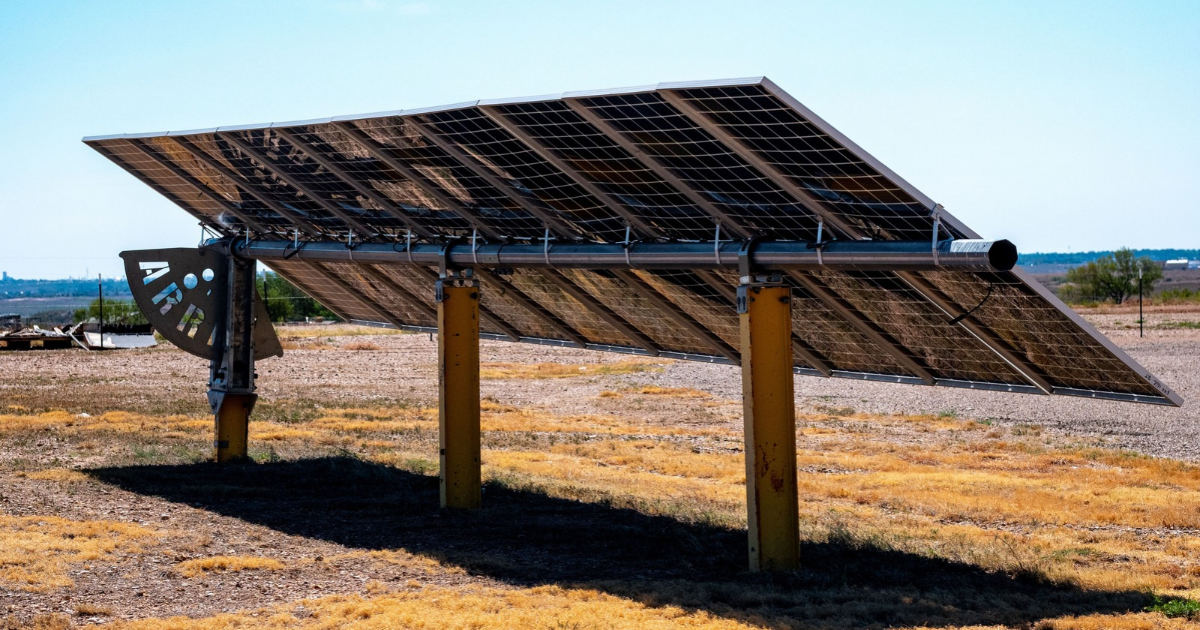
Mitigating and removing greenhouse gas emissions from the atmosphere is the only durable way to address the root cause of climate change; but as climate risks grow, so does interest in a range of additional responses. Among them is solar radiation modification, a set of approaches intended to cool the planet by reflecting a small portion of incoming sunlight back into space. The topic is, to put it simply, controversial.
To date, much of the debate on solar radiation modification has focused on whether it should ever be deployed. While it’s a compelling question, it is also largely unanswerable today: there are fundamental scientific gaps, difficult questions around ethics and governance and an evolving (and unpredictable) political context. Further, this framing sets up debate as a choice between opposing camps: advancing solar radiation modification or rejecting it outright. But the most urgent task is neither. It is building a process capable of informing and governing future decisions.
Both extraordinary concern and curiosity are legitimate responses to the moment. And even if a decision on deployment were secured by some stakeholders today, the polarization in the field makes its implementation a risk in itself. A decision to deploy would be viewed as illegitimate, possibly even hostile; and a partial prohibition narrows the field of informed stakeholders, leaving people without a voice (and the world less-prepared to respond if a smaller group of actors tried to advance the strategy unilaterally). Meanwhile, the conversation sits on a badly imbalanced foundation: most work on these approaches has been led and funded by stakeholders in the Global North, leaving most of the world’s population on the outside.
In the best case, future decisions about solar radiation modification would emerge from processes that are informed, inclusive, transparent, and designed to serve the public interest. In the worst case, they would be driven by a narrow set of actors, shaped by polarization and made without meaningful participation from many of the people most affected by climate and intervention risks. The difference between these futures is in the quality of the dialogue and process that leads to it. Such processes will never be perfect, but they can be better.
A way forward: a call for inclusive inquiry, restraint on deployment and legitimate future choice
Led by voices from environmental, climate, adaptation, public health and development organizations across the Global South and Arctic, the Middle Path Initiative advances a simple but important idea: people and communities who may be affected by future decisions deserve a meaningful role in shaping them.
The inaugural Middle Path Initiative white paper outlines an approach that neither supports deployment under today’s conditions nor argues that societies should stop asking questions. Instead, it calls for greater inclusion and centering of human rights as the ultimate goal. It’s founded on principles of responsible research, governance for restraint, broader participation and meaningful engagement from climate-vulnerable regions.
We believe a Middle Path approach is both possible and necessary, and we hope others will join us to shape it. This is especially an opportunity for Civil society organizations that carry expertise grounded in public health, environmental stewardship, food systems, livelihoods, community resilience and the many other dimensions of public life that could be affected by future climate decisions.
The conversation around solar radiation modification is here. It’s time to make sure it’s a conversation for all of us.
Learn more at the Middle Path Initiative website.