It is obvious to any Texan that we are in a horrific drought. According to the U.S. Drought Monitor, more than 80% of Texas has been facing drought conditions most of the year. Extreme or worse drought now covers 51% of the state.
The drought is hurting water supplies, particularly in Central Texas, which has received as little as 5 inches of rain since October in some areas, well below average. Coleman County had its driest January-to-June period on record going back to 1895.
Groundwater functions as a buffer to streams and rivers during periods of low rainfall, sustaining vital baseflow and spring flow. But increased groundwater pumping coupled with a prolonged decrease in aquifer recharge from little rainfall causes the connection between rivers and groundwater to be lost and rivers and springs to dry up.
Although it will rain again, the reality is that Texas is becoming more arid. In the future, we will see less rain and more days of triple-digit temperatures. As Texas weather changes, so must our methods of managing groundwater, which will become increasingly precious.

Joseph Gallegos’ interest in water and climate change began as a hobby after he retired as a telecom executive during the 2015 drought. Tired of watching his lawn go brown, Joseph decided to build a system to take water use by his washing machine and deliver it to his lawn, since no such product existed at the time.
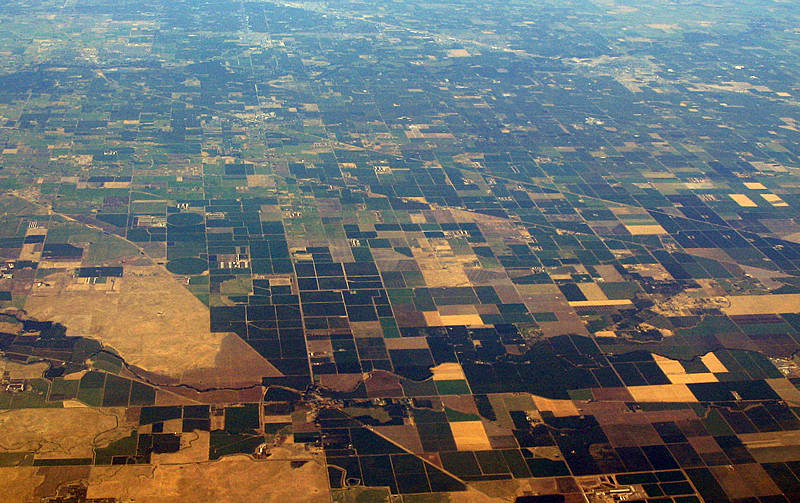
Sarah Woolf, a member of a Fresno County farm family, is standing on the edge of a field that most recently grew hemp; garlic, tomatoes and onions before that; and cotton years ago. On one side is the dry Arroyo Pasajero Creek, bushes, and a wild, scraggly tree that looks like something from a Dr. Seuss book. On the other side in the far distance is the small farming town of Huron.