






Creating a Living Laboratory through Land Repurposing in California
Written By

Share
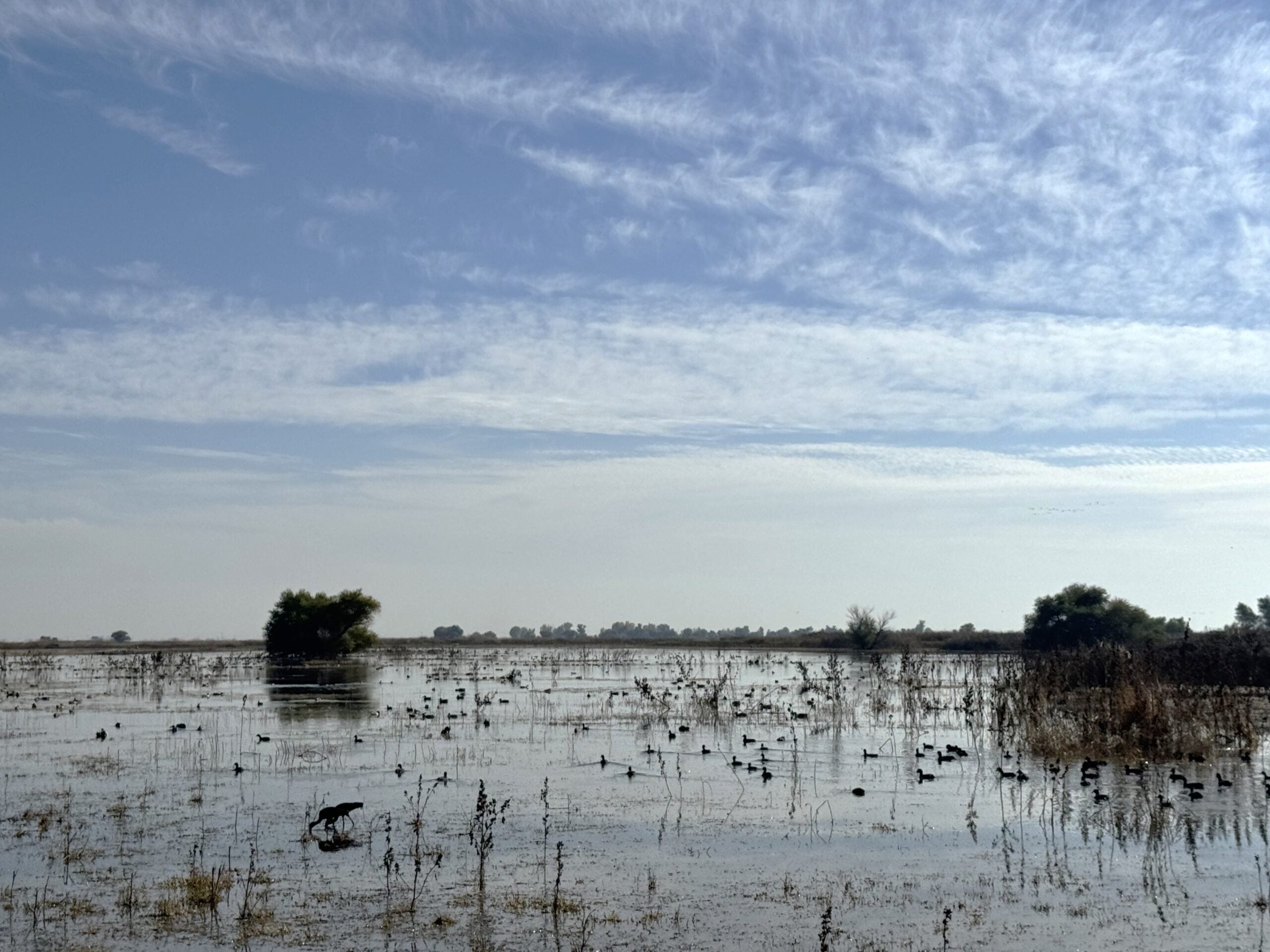
When it was first conceived, California’s Multibenefit Land Repurposing Program (MLRP) was envisioned to be one of many initiatives needed to help landowners and communities adapt to less groundwater pumping and prevent the San Joaquin Valley from turning into a dust bowl of fallowed fields. Instead, the idea was to fund projects that strategically transition farmland to other uses that deliver a range of new benefits, from wildlife habitat to community open spaces to low-impact solar farms.
Four years and two rounds of funding later, MLRP is delivering some additional benefits that proponents of the program (including EDF) never imagined. The Tule Basin Land & Water Conservation Trust’s Capinero Creek Restoration Project is one of the most inspiring examples of these unexpected positive results, from the early return of an endangered lizard to high school students winning a scholarship for college.
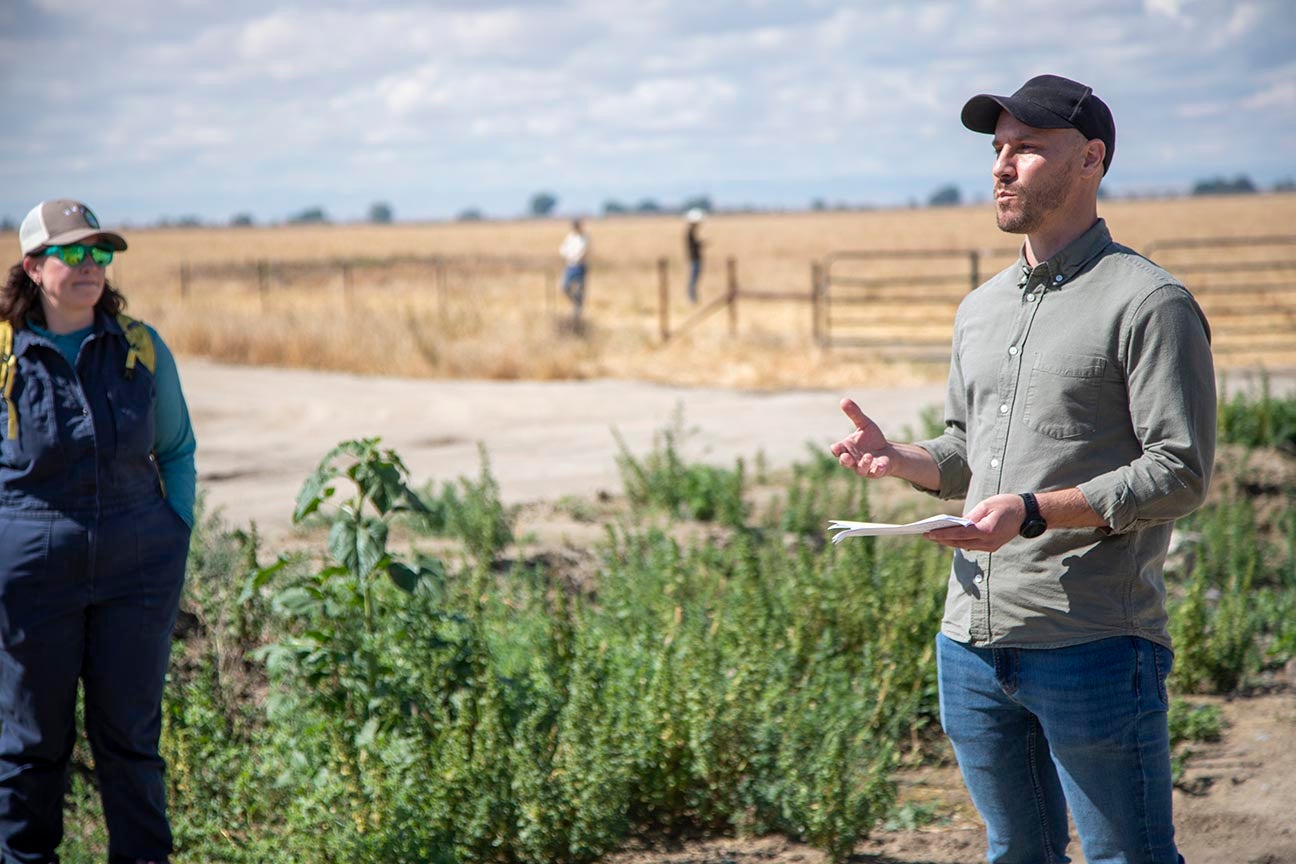
In April, MLRP grantees, partners, and conservationists gathered in Pixley for a tour to see firsthand how the Capinero Creek Project has evolved into a living laboratory featuring several experiments that will provide valuable lessons for future land repurposing and water conservations projects, and I’m excited to share some highlights from that tour here.
A model of native habitat restoration
So far, the MLRP has approved 23 projects covering 4,800 acres of land, equal to the size of more than four Golden Gate Parks or about seven square miles. The Capinero Creek Restoration project sits on 467 of those acres on the site of a former dairy farm.
A partnership between The Nature Conservancy and the Tule Basin Land & Water Conservation Trust, the multiphase project started in 2021 with funding from the U.S. Bureau of Reclamation, Union Pacific and Wildlife Conservation Board. The MLRP served as a perfect opportunity to fund some of the most unique aspects of the project, including cost-effective native habitat restoration to improve groundwater flows and soil quality, wildlife monitoring, and community science efforts. The goal of the project is to restore native habitat and attract and protect threatened and endangered species in the South San Joaquin Valley.
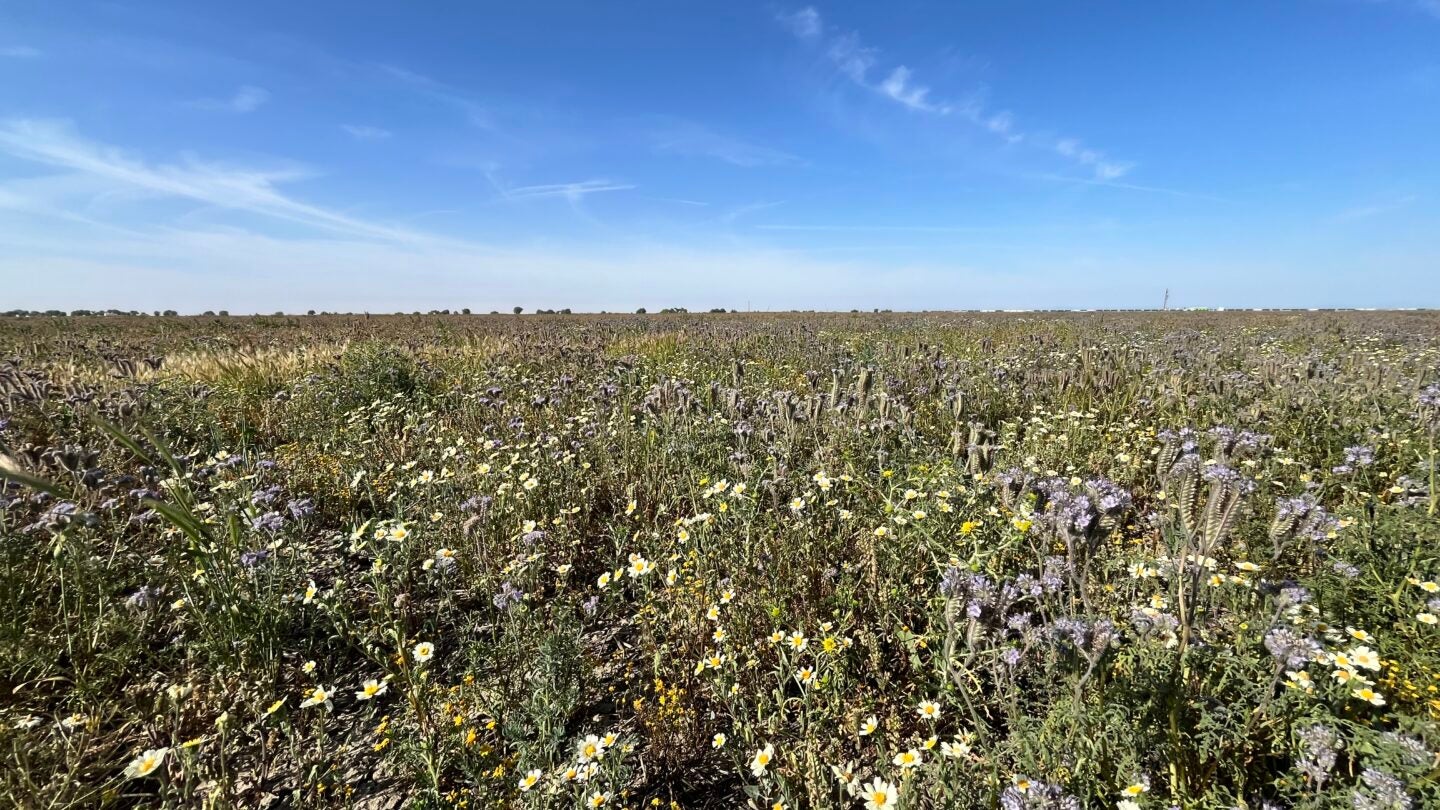
Abby Hart and Daniel Toews from the Nature Conservancy and Nick Reed-Krase from the Tule Basin Land and Water Conservation Trust led visitors through the multiple phases of the project. Phase 1 of the restoration project focuses on planting alkali scrub habitat like native shrubs, grasses and wildflowers, which require significantly less water than non-natives. River Partners has also been involved in Phase 1.
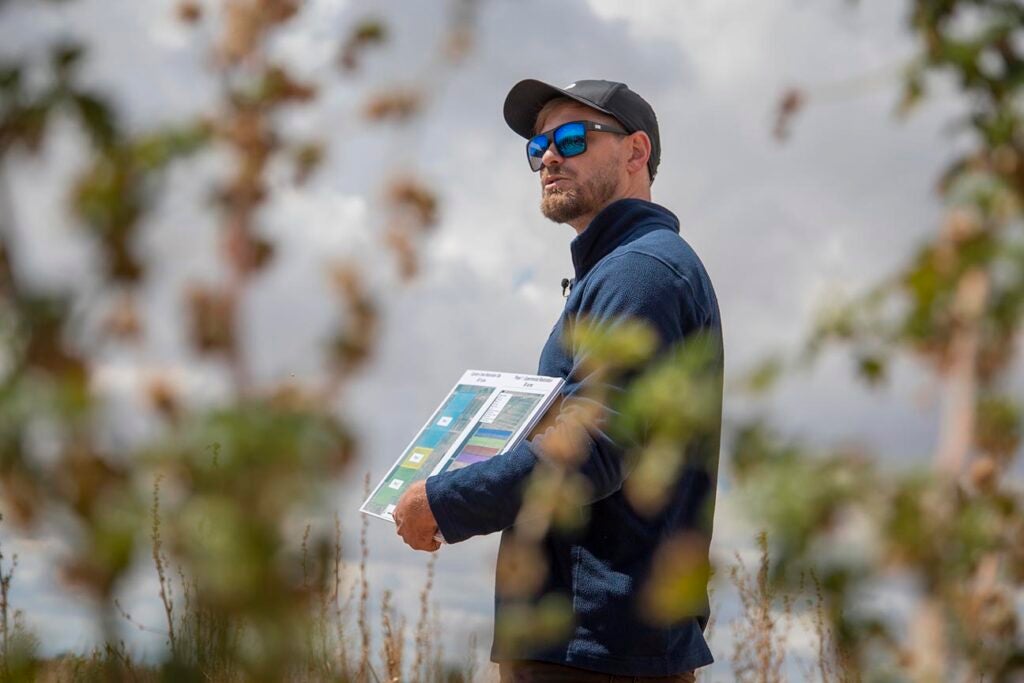
Toews, a strategic restoration project manager with The Nature Conservancy, explained how the project team is using an experimental approach that aims to determine the best mix of native seeds, best density of planting and most effective irrigation frequencies to establish new vegetation on the former grazing land.
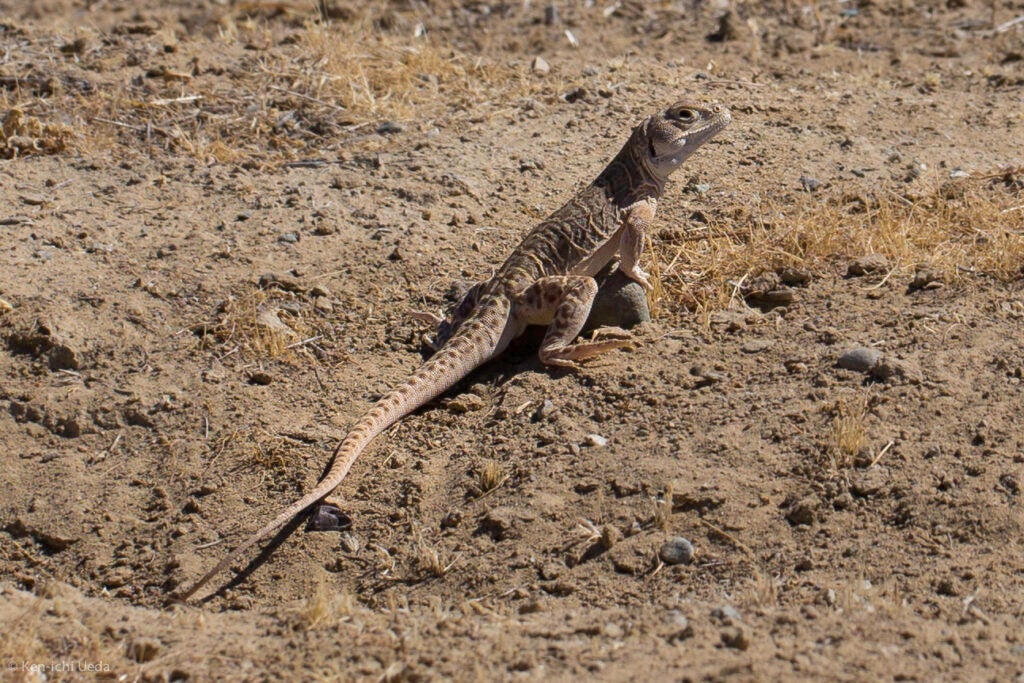
While those experiments are still underway, there has already been one surprise: the arrival of a blunt-nosed leopard lizard, an endangered species, six months after planting and months earlier than expected. The site also has seen the return of the crotch’s bumble bee, burrowing owls and kangaroo rats. Toews describes kangaroo rats as the “farmers” of natural habitat in the San Joaquin Desert — ecosystem engineers that disproportionately shape the landscape by turning soil, managing vegetation, and creating burrows used by other fossorial animals like lizards and toads. They are also a key prey species for raptors, owls, and other carnivores, including the endangered San Joaquin kit fox.
This effort includes acoustic monitoring to compare wildlife diversity in restoration zones compared to fallowed areas, which can help us further understand the benefits of restoring fallowed lands. Wildlife cameras help monitor species distribution across the site, specifically of the blunt-nosed leopard lizard and kangaroo rats. The team has partnered with UC Davis to conduct DNA tests to determine whether kangaroo rats discovered on site are an endangered species variety, which have not been observed in the area for more than 30 years.
The Tule Basin Land and Water Conservation Trust has an agreement with the irrigation district to use water only as necessary, in keeping with one major goal of MLRP: to reduce groundwater pumping, as required by California’s Sustainable Groundwater Management Act (SGMA), Reed-Krase from the Tule Trust explained. As part of SGMA reporting, the trust confirmed that across 80 acres, groundwater pumping is well under 20 acre-feet per year — an accomplishment that drew applause from our tour participants. (An acre-foot of water is approximately 326,000 gallons, which is the amount of water used by two to three average households per year.)
Experimenting with landowners
Similar to all MLRP projects, the Capinero Creek Project involves a collaborative partnership with local landowners. On a field that will be replanted as part of Phase 2, Trevor Freitas, a local rancher, has brought 45 cows to graze on the land and help prepare it for future restoration.
Freitas explained how he collaborated with the Tule Trust to experiment with virtual fencing for grazing cows, which wear special solar-powered collars around their necks, similar to the electric fences homeowners sometimes get for their dogs.
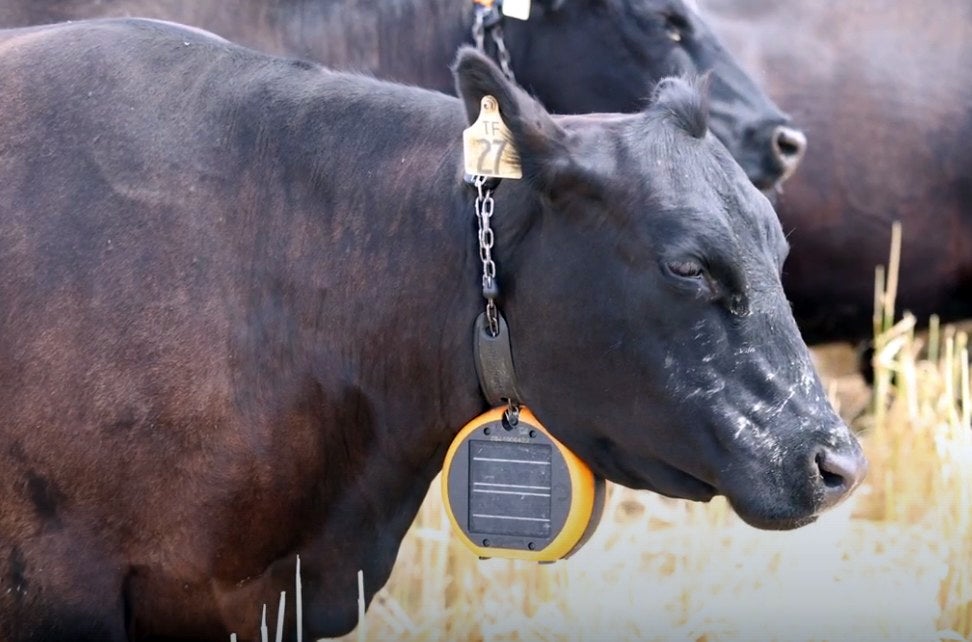
“Within 24 hours the cows were trained to stay out of the boundary,” said Freitas, who estimated the collars cost one-fourth of the cost of a physical fence surrounding the Phase 1 restoration site.
The collars also monitor movement patterns and health and have been used in a trial near Yellowstone National Park, too.
Cultivating future scientists and water leaders
Community science is another pillar of the Capinero Creek Restoration Project. Students from Alpaugh High School have helped monitor air, water and soil quality as well as biodiversity sampling.
Some students turned their research into a project that won top honors at the Tulare County Office of Education Science and Engineering Fair. Two of those students went on to present their project at the California Science and Engineering Fair, winning second place and scholarships to college!
This community science success story was a great learning experience for me. Like others, I tend to think of MLRP projects delivering benefits only for neighboring communities. Education on project sites provides another layer of opportunity and community benefits that early supporters of MLRP had not imagined.
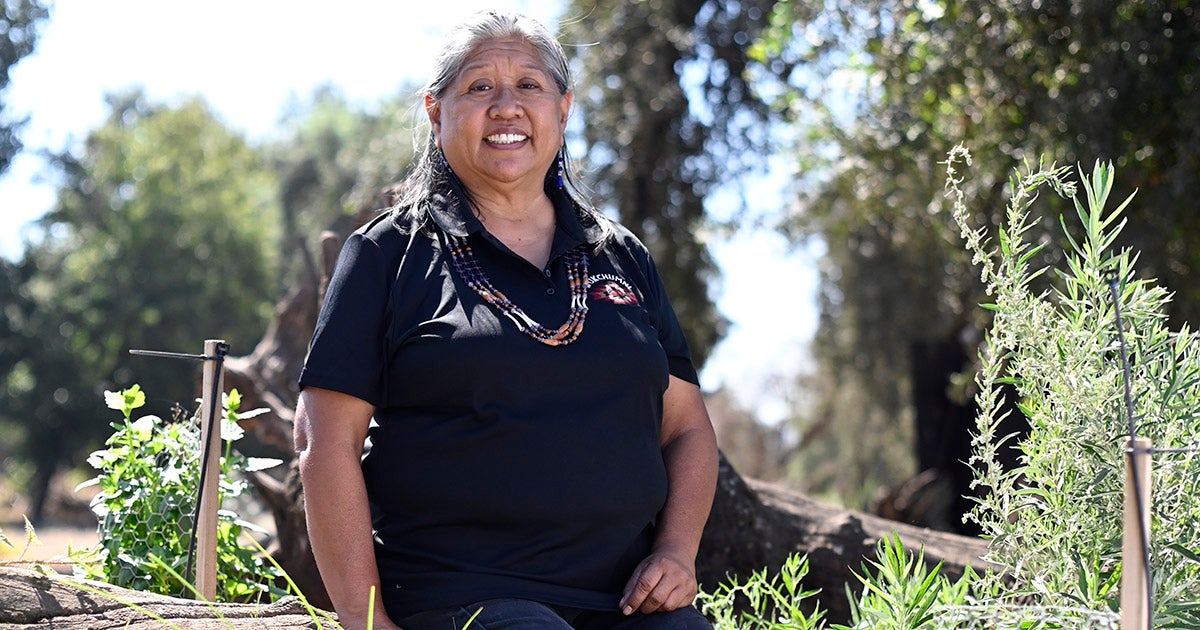
“One of the biggest blessings of MLRP has been building local capacity and creating positions in the local community that offer an alternative to agricultural jobs and are needed to support land repurposing. Capacity building can be a little invisible, but it is so important.” — Abby Hart, The Nature Conservancy
The future of the land repurposing in California
While the Capinero Creek project cannot singlehandedly reduce groundwater use in the state, it is an example of what can be done through partnerships, innovative funding mechanisms and creative thinking. It is also a large enough project that it could help inform, simplify and even accelerate habitat restoration at scale in the San Joaquin Valley.
Bringing other grantees to the site allowed TNC and the Tule Trust to share lessons learned and ultimately aid current and future MLRP projects. And most importantly, it shows that MLRP and other land transitioning efforts work, hopefully inspiring more funding for MLRP in the future.