






Snow Drought in the West Signals Urgent Need for Modernizing Water Management
Written By

Share
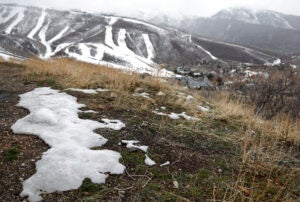
At the end of February, snowpack was less than half its normal level across nine western states. Colorado, Oregon and Utah have reported their lowest statewide snowpack since the early 1980s, the farthest back records go.
In their latest update, the NOAA Colorado Basin River Forecast Center reported today that snowpack in the Upper Basin is 2.5 inches lower than last year due to warmer temperatures. One main takeaway on their webinar: “Everywhere has extremely poor snowpack conditions.”
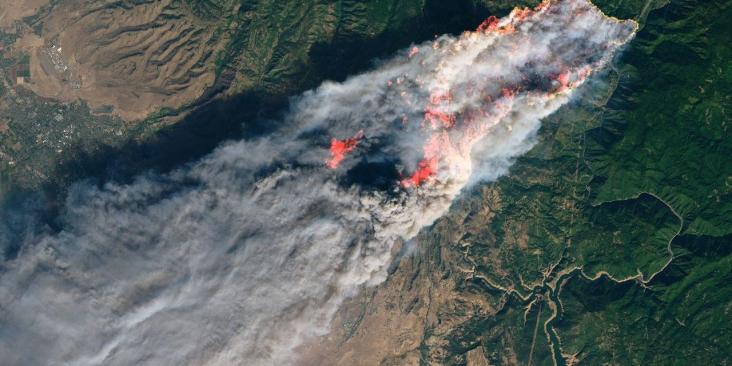
Conditions are especially worrisome in Oregon, where snowpack is not only at a record low, but a full 30% lower than the previous record. In my home state of New Mexico, we are also on track for a statewide record low snowpack, which has us biting our nails about possible wildfires as the spring winds ramp up in the Land of Enchantment.
This so-called “snow drought” is exactly what climate and water scientists have been telling us to brace for: Extreme swings in weather, and consequently far less certainty about our water supplies, are now fundamental facts of life that we must learn to live with in the West.
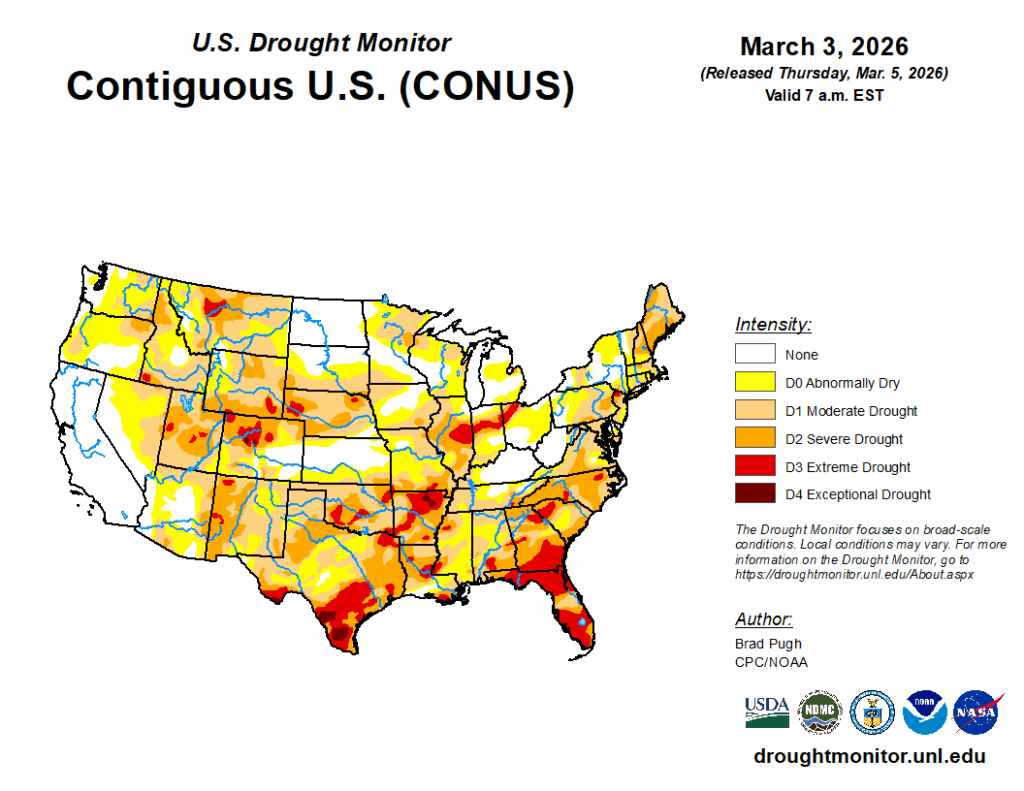
Unfortunately, these drier conditions also are marching eastward as places like South Dakota and even New Jersey experience drought warnings. For this blog, I thought I’d focus on the two regions where I’ve spent most of my career: California and the Colorado River Basin.
California: Hardly out of the woods
California may be the poster child for extreme weather swings. Although known for its deep droughts, California is surprisingly 100% drought free right now. The state ended 2025 feeling pretty good about its Sierra Nevada snowpack, a “frozen reservoir” that serves about 30% of the state’s water needs. But that shifted into anxiety with little snow in January, followed by a massive February storm that spawned the deadliest avalanche in the country since 1981.
While the pendulum swings wildly from one extreme to another, this increased volatility itself is one clear trend. Another important trend is the shift from snow to rain at higher altitudes because of warmer temperatures. This reduces the amount of water held in the mountain snowpack — the natural reservoir that gradually melts and releases water to fill rivers and reservoirs in the spring and summer.
So how do we respond to these snowpack trends? In California, the year-to-year uncertainties about snowpack highlight the importance of having policies and programs like the Sustainable Groundwater Management Act and Multibenefit Land Repurposing Program, which are helping the state better leverage the amazing natural infrastructure of our groundwater basins to help us weather the extreme swings between drought and storm and partially offset the shrinking snowpack. Sustained funding to support large-scale land repurposing and groundwater sustainability agencies is essential to help communities navigate through this difficult transition of reduced groundwater pumping and a smaller agricultural footprint.
Because these weather extremes also include severe flooding, it’s also encouraging to see the growing interest and energy at the state and local levels, including communities and farmers, to safely tap flood flows for groundwater recharge.
Colorado River Basin: On the brink
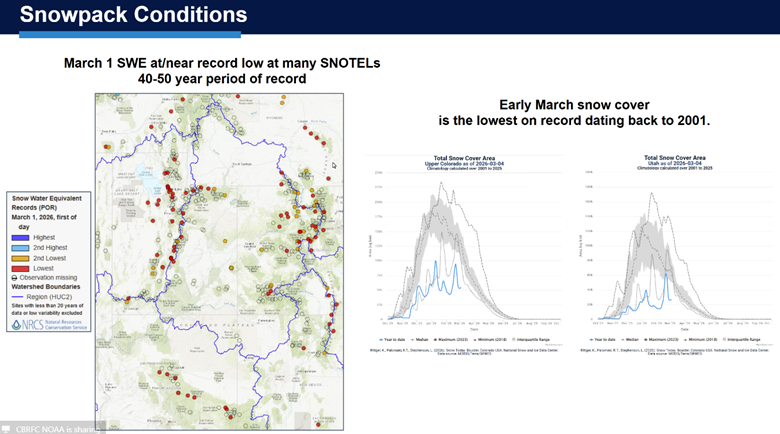
While California digs out of February’s snowmageddon, snowpack across the Colorado River Basin sits at record lows as March begins — a pivotal time as the seven states that rely on river struggle to reach agreement over new guidelines for sharing its shrinking river supplies .
In the Upper Colorado River Basin (Colorado, New Mexico, Utah and Wyoming), snowpack is the lowest on record for this point in the water year (dating to 1982), signaling a high risk of reduced runoff, poor reservoir inflows and wildfires. Lake Powell and Lake Mead, the Colorado River’s two key reservoirs, have already plummeted to historic lows, at 26% full and 34% full, respectively.
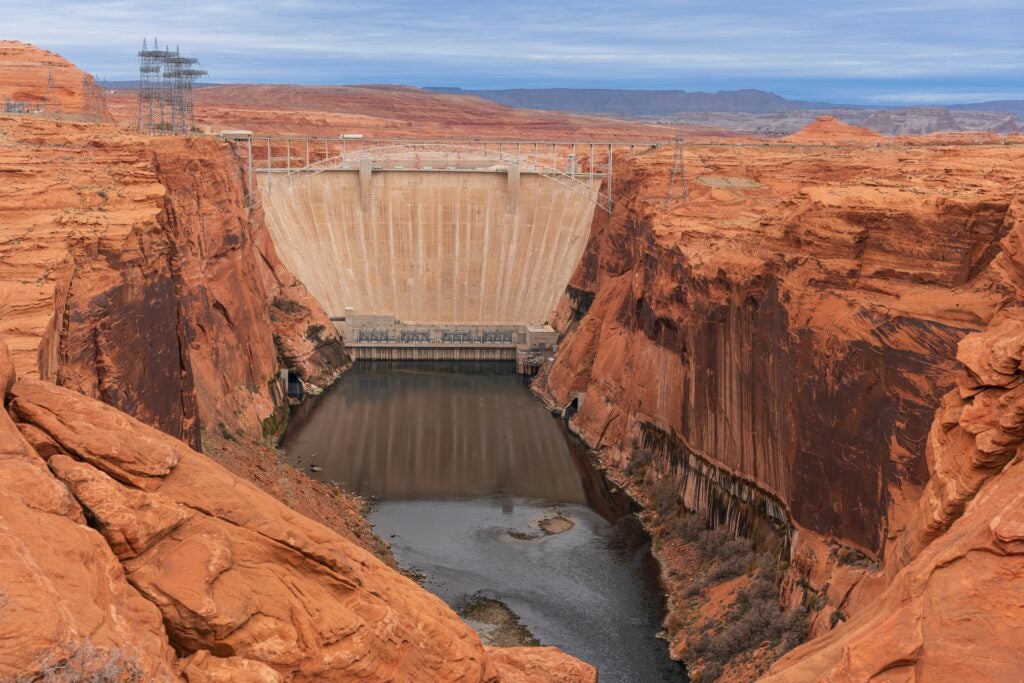
It’s important to remember that, unlike most of California’s reservoirs, these two don’t refill every year or even every other year. These low levels represent a decades-long trend and have already led to reductions for Arizona, which gets 36% of its water from the Colorado River, and Nevada, which relies on the Colorado River for 90% of the water in the southern part of the state.
Given the dismal snowpack in the Upper Basin, the levels in these key reservoirs will almost certainly continue to slide, worsening the water supply risks to the people, economies, and ecosystems across the Basin States and in northwest Mexico.
Taken together, the snowpack trends and reservoir levels are a flashing red warning sign that the Colorado River Basin’s condition is more than a temporary drought cycle. Even if the pendulum swings back to the side of short-term rain or snow, no “miracle March” or even a few “wet years” are going to turn the tide.
The basin is fundamentally drier than when its waters were apportioned among the states more than a hundred years ago. And the soon-to-expire Interim Guidelines are clearly not up to the task of thoughtful response to this new reality. We need new operating guidelines that move the basin beyond recurring crisis management, as outlined by conservation groups, including EDF, in a joint comment letter to the Bureau of Reclamation on the draft environmental impact statement (EIS) for new Colorado River guidelines. These guidelines should enable durable, flexible management options that embrace our new understanding of the reality of the river.
Turning crisis into action
Simply put, the Colorado River Basin must adjust to living with less water. That is a central message reflected in the Draft EIS comments — and one that extends beyond the Colorado River to much of the western United States.
More than a decade ago, at the height of the 2012–2016 drought, California enacted the Sustainable Groundwater Management Act (SGMA), a once-in-a-century policy that has forged a new, more sustainable path for this critical water supply.
The urgency of today’s dry conditions across the West, particularly in the Colorado River Basin, presents a similar urgent need for historic, forward-looking action. We can’t afford to let this moment of decision pass.