




Water Leadership Institute Alumna Empowers the Next Generation of Water Leaders
Posted: in California
Written By

Share
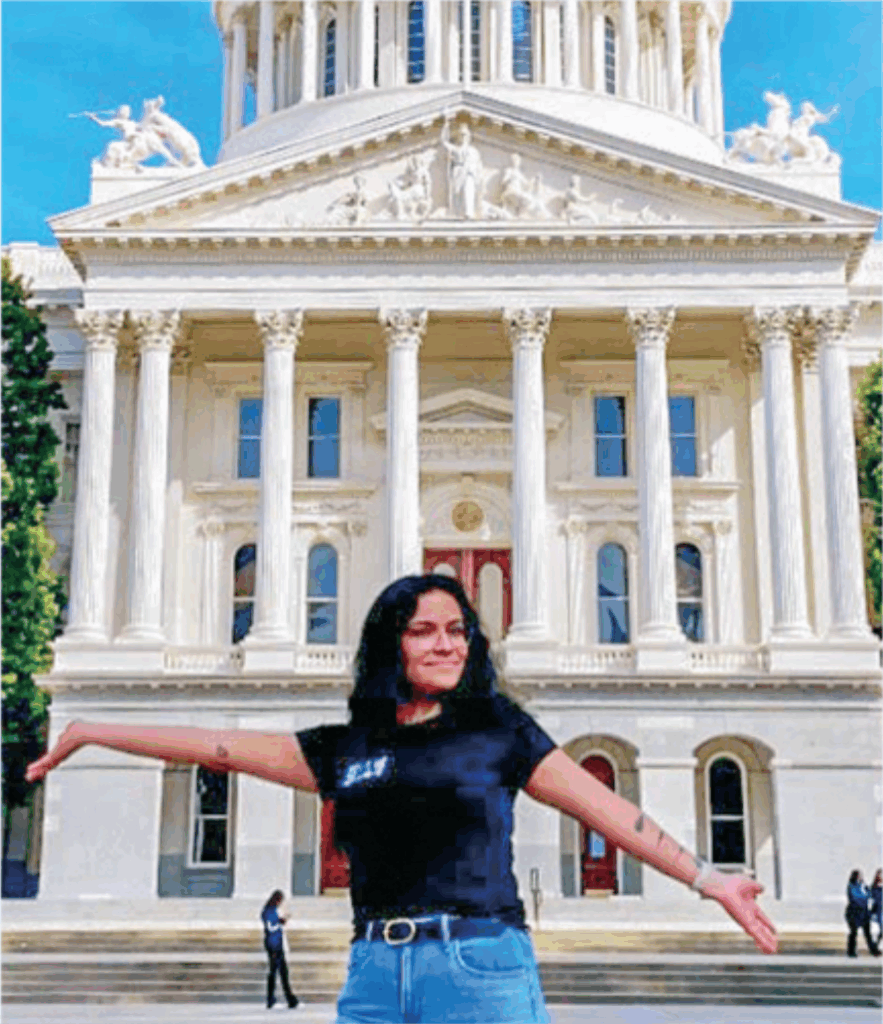
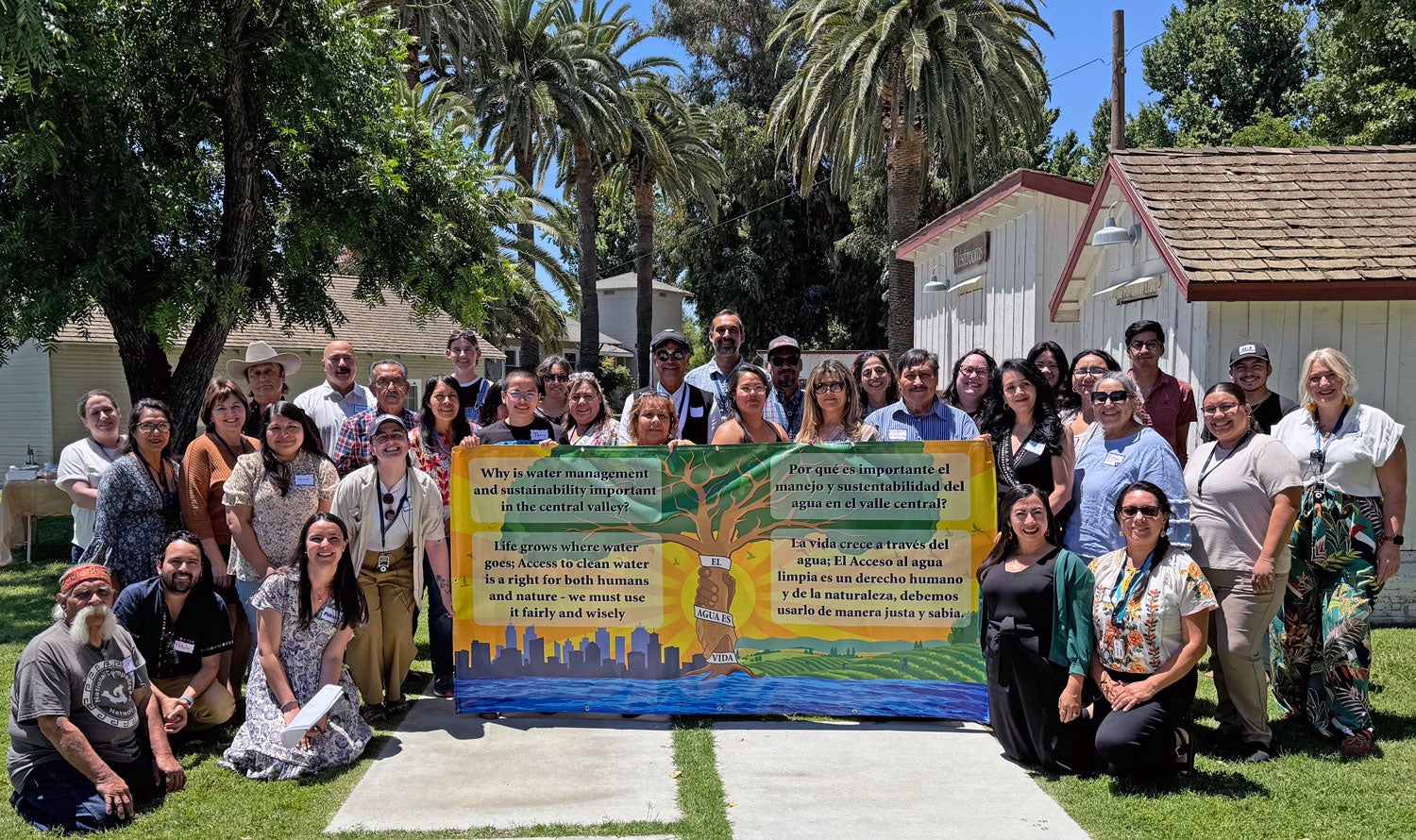
Destiny Montes is a site director at Sequoia High School in Visalia, California, and graduate of the Water Leadership Institute (WLI) — a training program created by EDF, RCAC, and Self-Help Enterprises in 2015 to support California’s Sustainable Groundwater Management Act.
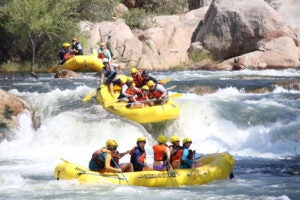
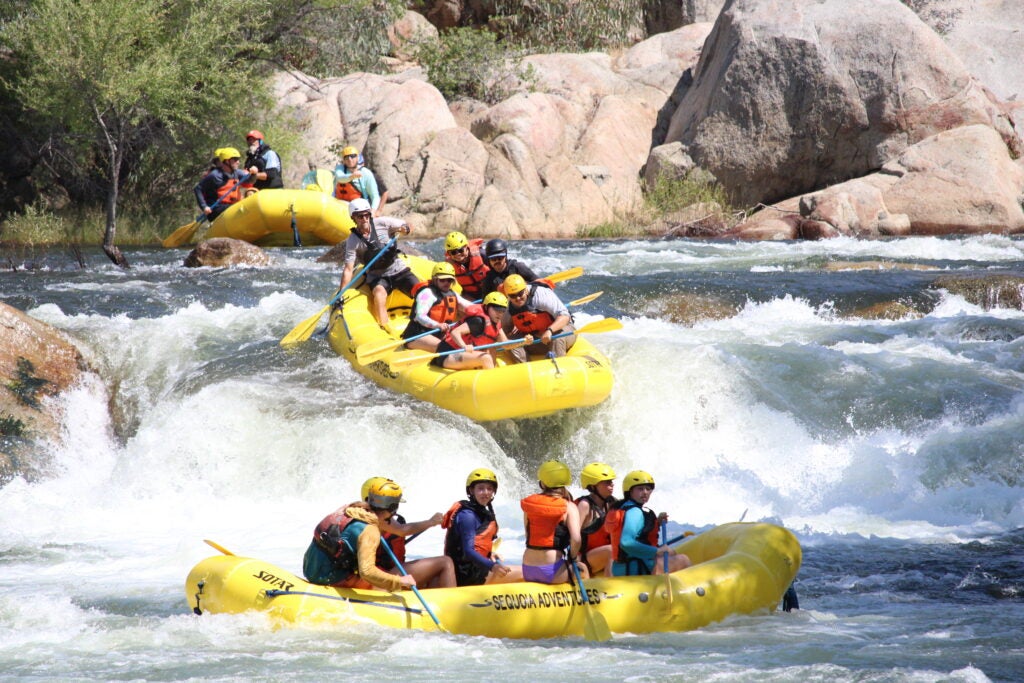
After completing WLI, Destiny adapted elements of the WLI curriculum to create an after-school leadership club supporting student engagement with local water issues. Students have learned how they can influence decision-making in their communities, connected with water sector professionals, and gained hands-on science experience during a rafting trip.
“They’re being told they can be a teacher, a doctor, or a dentist, not that they can work at a water treatment facility or be a policy maker,” said Destiny. “They can decide what happens with our water.”
We spoke with Destiny recently to learn about how her program is helping high school students envision a new future for themselves and how WLI led her to develop it. Here are excerpts from our conversation.
Why did you want to participate in WLI?
Destiny: I have a lot of experience in nonprofits and environmental justice and was a youth advocate before hearing about WLI. But I didn’t have much of the science or administrative background that I felt WLI might give me. And as a matter of fact, it did! I was exposed to so many experienced people and learned so much about how water is managed that it has carried over into what I’m doing now.
How did your WLI experience lead you to create a high school club?
Destiny: While I was in WLI, I was trying to figure out what to do with this information I was gaining. I thought, why not bridge the gap between students’ exposure to higher education and career opportunities, and what’s going on in their own communities?
Water is such a fundamental topic in the Central Valley, and I wanted more students to know about what was going on in their communities and to have a say. Then they could potentially learn about new educational or career opportunities. They’re being told they can be a teacher, a doctor, or a dentist, not that they can work at a water treatment facility or be a policy maker. They can decide what happens with our water. So I took my experience in WLI and created this Young Leaders Club.
What does the club do?
Starting last school year, I had regular sessions with students to start the conversation about what they know is happening in their communities, what they understand about water in general, and how it affects their lives, and then bridged it with a culminating experience, which was a rafting trip.
A lot of Sequoia High School students are considered “at risk.” Some are gang affiliated, have criminal records, are homeless or in the foster care system, or have generally lost faith in their educational institutions. There’s often something that impacts their ability to focus on school. I wanted this to be an opportunity for them to take time for themselves to learn what their interests are and how they can have a positive impact on their community. This is a way to kind of steer them in a more positive direction.
Let’s hear more about the rafting trip.
The rafting trip stemmed from what I call an “outdoor career day.” When I started meeting with different people who helped organize WLI, I threw out this idea: I want to have an outdoor career day where these kids can have fun, learn, connect with resources and be empowered. Water rafting sounded great. We have a river very close by.
We were able to get some UCLA Center for Developing Leadership in Science (CDLS) Fellows to join us and bring equipment for eDNA collection. The students could ride the rafts down the Kaweah River; talk about what they saw, they felt, they heard; and just be in the environment and be present with that, which a lot of them aren’t used to. And then afterward they could collect DNA samples and see what sort of species are part of their local ecosystem.
What do you think was the biggest takeaway for the students?
After rafting, we had a roundtable with my staff, partners from UC Merced and CDLS Fellows, who shared their experiences in college and environmental advocacy but also who have experienced things very similar to our students, like being members of minority groups, having a gang affiliation, and struggling with mental health. So, the biggest takeaway was that our students could see people from similar backgrounds and circumstances being so successful, so educated, and so empowered in a way that they have never seen themselves represented in a community before.
Is there a particular moment from the trip that stands out?
Destiny: The one that immediately comes to mind is with a student who had previously said, “I’m not going to college, it’s not for me, and I don’t know what I’m going to do with my life.” After the trip, he told his aunt, “I want to be a biologist. I want to go to UCLA, I want to be part of this workshop in October to learn more about water issues.”
Applications are open for a new WLI cohort in the Salinas Valley. What is your advice for people considering applying?
Destiny: If you’re coming to WLI with uncertainty and with gaps to fill in your knowledge and education, then you are absolutely in the right place. Your skills, your experiences, the diverse background that you bring, the intersectionality of you and your community are all necessary in this conversation in some way, shape or form. Figuring out what that is so that you can contribute to the team and take it back to your community is what’s going to be the best part of WLI. Having a network of people with diverse backgrounds in WLI is going to help you figure out how to best serve your community.
I was hesitant to join WLI because I didn’t feel like I had the experience, skills or education necessary to be part of water discussions. WLI helped me realize that I didn’t have to feel inadequate because of my experience, and I should do everything in my power to make sure my students don’t feel inadequate in these spaces as well.
If you are interested in learning more about the upcoming WLI cohort in Salinas, visit https://waterleadershipinstitute.com/california/.