Climate change solutions
We deliver game-changing environmental solutions that have a real impact for people around the globe.
Tom Neltner, Senior Director, Safer Chemicals
This is the fourth in our Unleaded Juice blog series exploring how the Food and Drug Administration (FDA) sets limits for toxic elements like lead, arsenic, and cadmium in food and the implications for the agency’s Closer To Zero program.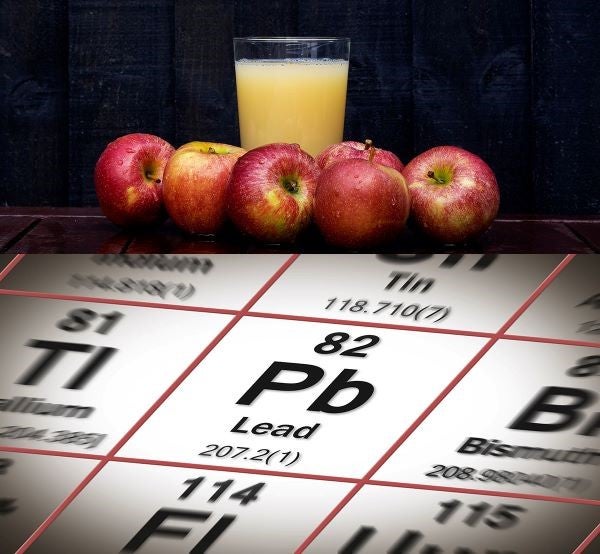
In June, after issuing its proposed action levels for lead in juice, FDA tightened its Interim Reference Levels (IRLs) for lead to 2.2 µg/day for children and 8.8 µg/day for females of childbearing age—a drop of 27% from the original IRLs it established in 2018. We estimate this change increased the number of children over the IRL for lead from 1.2 million to more than 7 million.
The agency describes IRLs as daily maximum intake levels for lead in food and beverages. FDA scientists said the change was made to match the Centers for Disease Control and Prevention’s (CDC) October 2021 revised blood lead reference value. This value is commonly known as the elevated blood lead level (EBLL).[1] FDA uses the “interim” label in recognition that there is no known safe level of exposure to lead and the neurotoxic harm it can cause. FDA anticipates matching the IRLs to future reductions in CDC’s reference value as the U.S. makes progress in reducing children’s exposure to lead.
We applaud FDA’s decision to tighten the IRLs. It is a good example of the type of continuous improvement to which FDA committed in its Closer to Zero Action Plan, which aims to lower levels of lead, cadmium, mercury, and inorganic arsenic in food that babies and young children eat and drink.
The challenge now is to translate the tighter daily maximum intake level into action levels for specific foods. Next steps for FDA should include:
Cumulative Risk Assessment Framework: A Tool to Spur Improved TSCA Risk Evaluations
Wednesday, September 7, 2022
1:00–2:00 p.m. (ET)
Join the EDF Safer Chemicals team and our academic partners from the University of Maryland and the University of Rochester as we debut a new tool, the Cumulative Risk Assessment Framework, to support implementation of the Toxic Substances Control Act. The tool will encourage more robust evaluations of health risks from chemicals and other stressors—improving public health and increasing environmental safety.
This webinar will be of interest to those who conduct or study chemical risk evaluations/assessments, including scientists/researchers, policy makers, and policy implementers.
Tom Neltner, Senior Director, Safer Chemicals and Maricel Maffini, EDF consultant
This blog is the fifth in our Broken GRAS series where we explore the Food and Drug Administration’s (FDA) Generally Recognized as Safe (GRAS) system for novel chemicals added to food.
In the spring, folks who ordered from a company that sells pre-assembled smoothies and other frozen foods for home delivery, started getting sick—really sick—after consuming an item called “French Lentil and Leek Crumbles” (Crumbles). Daily Harvest, the manufacturer, recalled the product on June 17. A month later, Daily Harvest said it had ruled out various food-borne pathogens, mycotoxins, heavy metals, and major allergens and had “identified tara flour as the cause of the issue.”
By the end of July, FDA reported the product had been linked to 329 illnesses and 113 hospitalizations in 36 states—a surprising number for a product that sold only 28,000 items. Consumer Reports described the health effects as fever, fatigue, vomiting, diarrhea, and liver problems. At least 25 people who consumed the Crumbles required surgery to remove their gallbladders. (more…)
Tom Neltner, Senior Director, Safer Chemicals
This is the third in our Unleaded Juice blog series exploring how the Food and Drug Administration (FDA) sets limits for toxic elements like lead, arsenic, and cadmium in food and the implications for the agency’s Closer To Zero program.
FDA’s move to establish action levels on lead in juice – and eventually other foods that young children eat or drink – is an important step forward. While we believe that the action levels need to be tougher, any action level has a limited value if labs that analyze samples for contamination provide results that buyers, regulators, or consumers cannot trust.
We recommend that labs meet four criteria to provide credible results:
Here is the list of labs that met these criteria as of August 2021. See below for our in-depth analysis.
Maria Doa, Ph.D., Senior Director, Chemicals Policy
EPA has made the important and long-awaited decision to propose banning nearly all remaining uses of chrysotile asbestos in the United States. EDF submitted comments supporting this proposed ban (with some caveats) because of the high risk of cancer and fatal respiratory diseases for individuals who import, process, distribute, and use chrysotile asbestos. The rule could be significantly improved by requiring a more immediate ban. If EPA chooses a more extended phase-in of the ban, we recommend that the Agency require companies to reduce workplace exposures in the interim to better protect workers.
Summary of Key EDF Concerns and Comments
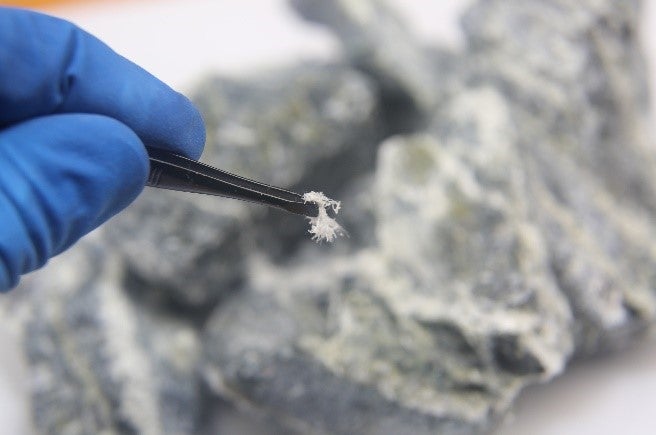
Although asbestos is a known carcinogen, it is still used in automobile brake linings, gaskets, and brake blocks, as well as in permeable separators (diaphragms) at chlor-alkali facilities to produce chlorine and caustic soda. Currently, nearly 40,000 Americans die each year from asbestos-related illnesses. These deaths are preventable and must be stopped, and we applaud EPA for taking this step toward doing so.
In addition, the proposed rule indicates EPA is continuing to include troubling policy decisions in its risk evaluations. Moving forward:
EDF also found many areas of agreement with EPA in the proposed risk-management rule. You can read the full set of comments here.
Tom Neltner, Senior Director, Safer Chemicals; Maricel Maffini, Ph.D., Consultant
On May 19, the Food and Drug Administration (FDA) announced four incongruous actions in response to petitions submitted by EDF and others asking the agency to ban the use of more than two dozen ortho-phthalates (phthalates) in food packaging and processing equipment. We filed the petitions because we were concerned that these hormone-disrupting chemicals were harming people, especially children, who consume food contaminated by this class of chemicals. Since filing the petitions six years ago, the evidence of harm – and our concern for children’s health – have only grown more compelling.
Despite a statutory duty to decide whether the authorized uses were safe, the agency delayed making a decision and then essentially dodged the safety issue, opting instead to allow nine phthalates it had approved decades ago to be used in plastics, paper, and adhesives that contact food or drinks. FDA only acted in response to a lawsuit filed by Earthjustice for EDF and other health and environmental advocates.
FDA’s decisions allow phthalates to continue to seep into our food and do little to protect the public. As a result, EDF and the other advocates, supported by Earthjustice, filed formal objections to the agency’s decisions on two food additive petitions and petitioned the agency to reconsider its denial of a separate citizen petition. We also demanded an evidentiary public hearing to consider the significant new evidence FDA glossed over. (more…)