








The Toxic Substances Control Act is working to protect millions of Americans. So why do Congressional Republicans want to weaken it?
Posted: in
Chemical exposure, Chemical regulation, Congress, Environmental justice, General interest, Health policy, Public health, TSCA
Written By

Share
In case you missed it, an out-of-touch, industry-first proposal from Republicans in the U.S. House of Representatives threatens to significantly weaken the Toxic Substances Control Act, a popular chemical safety law that helps keep dangerous chemicals out of our homes, workplaces and schools.
Why does this matter? The Toxic Substances Control Act gives EPA the authority and responsibility to review chemicals more effectively – before and after they enter the market. The law underwent a critical reform 10 years ago because it was not sufficiently protecting millions of Americans. Now, the Toxic Substances Control Act is working, and it’s keeping the most dangerous chemicals out of our lives.
At a recent House Energy & Commerce committee hearing to discuss this proposal, we heard some alarming misinformation – pushed by the industry that stands to benefit financially from looser protections – about how the Toxic Substances Control Act works.
But we have the facts. Here are some ways our bedrock chemical safety law is working to keep dangerous chemicals out of our lives. Over the next few weeks, we’ll dive deeper on each of these themes, because these are protections worth fighting for.
The Toxic Substances Control Act gives EPA the authority to regulate dangerous chemicals to the extent that they no longer pose an unreasonable risk to people or the environment
Thanks to the 2016 improvements to the Toxic Substances Control Act, many harmful chemicals – including several that cause cancer – have been kept out of our communities, homes and everyday products. EPA has the tools and authority to demonstrate that highly toxic chemicals, like trichloroethylene (TCE), methylene chloride and asbestos, present an unreasonable risk to people and the environment, and in a major win for public health, the agency issued regulations to phase them out of use.
The chemical industry calls for “risk realism” in EPA’s assessments, suggesting that by taking into account the different ways that kids, pregnant women, workers and consumers are exposed to toxic chemicals, EPA is being overly protective. But families and workers shouldn’t have to shoulder the risks of facing reproductive, developmental and respiratory harms from chemicals just so the industry can profit.
EPA consistently approves new chemicals
Despite what the chemical industry wants us to believe, EPA approves new chemicals all the time – in fact, the vast majority of them: 370 in 2025, and 4,443 since 2016 when the Toxic Substances Control Act was strengthened. When delays occur, it’s often because the industry has provided incomplete data, raised issues with proposed safety guardrails or has not completed the final step for commercialization.
The Republicans’ proposal caves to the false narrative that EPA is the reason for any delays in new chemical reviews. It significantly raises the bar for what EPA must do to prove a chemical is dangerous – to the extent that it would essentially turn EPA’s safety review into a rubberstamp for any chemical the industry wants to bring to market.
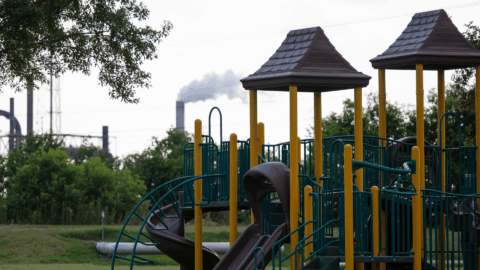
The Toxic Substances Control Act protects families, workers and people living on the fenceline of the chemical industry, including in ways that other federal agencies don’t cover
The Toxic Substances Control Act offers workers protections against many industrial and commercial chemicals – chemicals already on the market as well as new chemicals.
In contrast, worker safeguards through the Occupational Safety and Health Administration (OSHA) include exposure limits for only a small subset of chemicals and exclude the majority of new chemicals, and the standards that exist are outdated and inadequate.
The Republicans’ proposal strips away EPA’s duty to consider the people most at risk from exposure, and it would dangerously underestimate the health risks to people living near where these chemicals are produced.
The Toxic Substances Control Act doesn’t allow dangerous chemicals to slip through loopholes
Complex new chemicals must undergo a chemical safety review under the Toxic Substances Control Act, and, through a rigorous, evidence-based process, EPA determines whether the new chemical is dangerous. All new chemicals must pass this test.
The proposal from Republicans would upend this logic by creating a loophole to allow a company to claim that a complex chemical is “equivalent” to another chemical already on the market, even if they are only glancingly related. This loophole would give the company a pass from putting the new chemical through a safety review. In practice, this could open a back door to allow the toxic, harmful substances generated through the pyrolysis of waste plastic – so-called “advanced recycling” – onto the market.
When reviewing a chemical, EPA considers the specific ways it’ll be used
The chemical industry claims that it’s easier for their chemicals to get approved in other countries and that EPA should rubberstamp their uses here in the U.S., too. But once approved for market, a chemical can be used – and people can be exposed to it – in many different ways. That’s why it’s essential for EPA to approve chemicals for the specific ways it’ll be used in the U.S.
This issue of country-specific approvals has come up before. Countries in the Organization for Cooperation and Development (OECD) previously considered whether countries should mutually accept chemicals approved in each nation. But they walked away from the idea, because countries have very different laws and regulations that would translate into different requirements.
Go deeper: Read more about how the Republicans’ proposal to gut the Toxic Substances Control Act would put our health at risk.