










TSCA And The East Palestine Ohio Train Derailment Are Related–Here’s How
Written By

Share
By Maria Doa, PhD, Senior Director, Chemicals Policy, and Lauren Ellis, MPH, Research Analyst
What Happened: We recently expressed concern to EPA about its conclusion that “distribution in commerce” (including the transportation of chemicals) does not contribute to the unreasonable risk for any of the first 10 chemicals evaluated under the Toxic Substances Control Act (TSCA).
In response, EPA stated that exposures from the distribution of chemicals in commerce would be minimal “given the fact that these chemicals are transported according to existing hazardous materials transportation rules.”
Why It Matters: EPA does not currently quantify exposures and risks from spills, leaks, and other releases from transportation incidents. But people can be—and are—exposed to toxic chemicals at all stages of the chemical lifecycle, from these incidents to chemical facility releases.
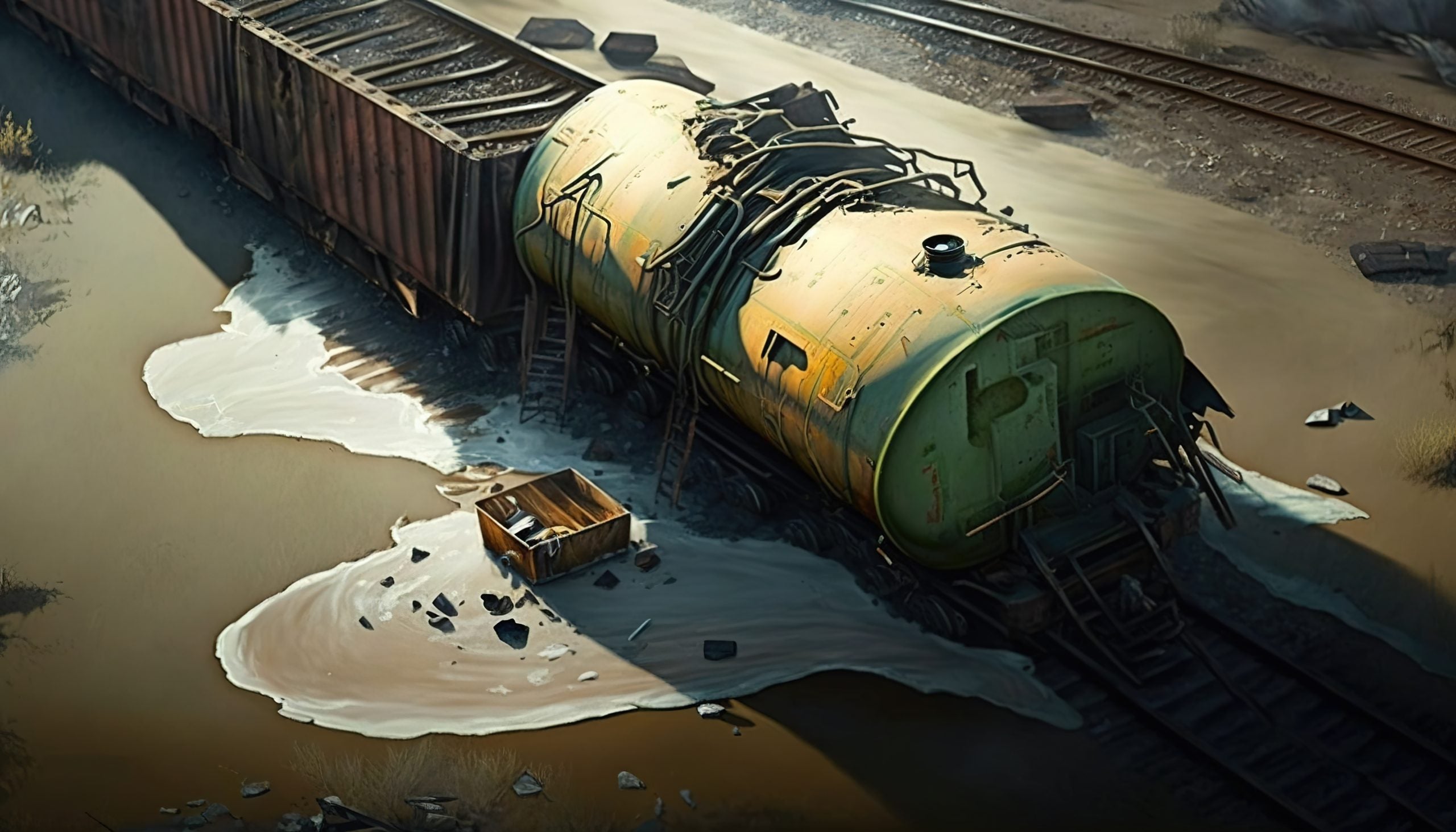
For example, last month, a Norfolk Southern freight train hauling several railcars carrying toxic chemicals derailed in East Palestine, Ohio. This is just the latest example of how accidents involving highly toxic chemicals can have harmful impacts—both short- and long-term—on communities’ health and welfare.
The Ohio train derailment not only put several surrounding communities at risk of chemical pollution and negative health outcomes, but also highlighted the connection between TSCA and the risks of toxic chemicals from transportation accidents.
What’s Next: To accurately assess chemical risk under TSCA, EPA should consider data on spills, leaks, and releases from derailments, collisions, and other transportation incidents in its risk evaluations. These releases and exposures simply cannot be ignored.
By expanding evaluations to include the risks of chemicals at all stages of the chemical lifecycle, EPA can better protect communities.

2 Comments
With 99.5% of the ~20,000 published toxicity findings on those initial 10 chemicals evaluated under the new TSCA, imagine the pressure EPA could be under when something as this derailment happened…if anyone cared to focus on that upstream issue. EPA passed a regulation requiring itself to use systematic review in those evaluations, and SR methods say that SR cannot happen unless everything is evaluated. ~3 low dose, in vertebrate toxicity findings are published every day, day in, day out, for decades, while all stakeholders continue to ignore this upstream problem.
may I edit myself, those near-20,000 toxicity findings by academics were found by EPA, but thrown away without evaluating them—instead relying on a handful of studies by industry, and a handful of published findings that they had used in previous risk assessments of each chemical.