Growing Returns

New York City needs affordable, climate-resilient housing. There are policy solutions to help us get there.

New York City faces a twin crisis: housing that is increasingly unaffordable, unavailable and unsafe, and climate impacts—like flooding, sea level rise and extreme heat—that are growing more frequent and severe. In fact, more than half of all households are rent-burdened and tens of thousands of those homes are facing climate risks. Low-income residents and communities of color are affected disproportionately by both crises. 

The recent New York City election offers an opportunity for new leadership to tackle the housing affordability and climate crises together. This is why Environmental Defense Fund (EDF) has partnered with the Regional Plan Association, Association for Neighborhood Housing and Development, Cornell University’s Department of City and Regional Planning, and the Cornell Atkinson Center for Sustainability to develop a set of policy solutions designed to increase affordable, climate-resilient housing and build resilience in New York City.

To do so, we collaborated closely and built consensus with key government and nongovernment stakeholders from housing, resilience and environmental sectors across New York City to study the intersection of housing loss and opportunity, as well as opportunities to adapt infrastructure to climate risks.  

Credit: Anushi Garg

Policy solutions for an affordable, climate resilient future in New York City  

1. Adapt a resilient land use framework

New York City lacks a unified, citywide planning framework to guide how housing growth, investment and climate adaptation intersect. Such a framework could drive citywide decisions about where and how to build to achieve healthy, safer and more affordable housing development.

It could also guide leaders to center equity, nature, health and wellbeing of New Yorkers by making development decisions that keep residents out of high-risk flood zones.  

Credit: Getty Images

2. Expand retrofit programs and make them more accessible  

Extreme weather conditions, predicted to increase and become more severe, put deteriorating and outdated housing at risk and increase financial burdens. In fact, at least 42,000 New York City Housing Authority’s (NYCHA) public housing units already need repairs. 

Retrofitting existing housing for all building types will ensure families can continue living safely in their homes and are prepared for climate impacts. While retrofitting programs are available, many are limited in their scope and funding or operate in silos, meaning there is no reliable and affordable option for many building and unit owners or managers. The City should expand current programs and promote them on a “one-stop shop” website for resilient home retrofits to ensure information is more accessible, and individuals can navigate program options that best fit their needs.   

Credit: NYC Mayor’s Office of Housing Recovery Operations. Home elevation work underway in Brooklyn to make it more flood resilient.

3. Strategically build community wealth and wellbeing in low-risk areas 

With increasing climate risks, low coastal flood risk areas are likely to have more development. This could lead to higher costs and demand, possibly displacing families and businesses many of which are already rent burdened. Increased growth, if not properly planned, could also increase impermeable surfaces which could exacerbate other climate risks, like rain-based flooding and extreme heat.  

Leaders should adopt strategies to build local wealth and home ownership which can improve long-term neighborhood stability and mitigate affordability displacement while also promoting community resilience. These could include expanding programs to promote local wealth and land use, like community land trusts or establishing anti-flipping policies.  

Credit: David Lloyd

4. Establish a dedicated resilience fund to support resilient initiatives and projects   

Improving overall city resilience is critical for keeping individual housing safe during an extreme weather event or disaster. To make continued progress on resilience, New York City needs an ongoing, dedicated funding source that supports flood resilience infrastructure initiatives. This type of fund could cover costs for efforts including capital planning, retrofitting, buyouts, operations and maintenance, green infrastructure and neighborhood-scale coastal infrastructure to reduce reliance on federal dollars that often fall short of addressing these varying needs.  

While some funding options are already being explored, we need to establish a targeted fund for this work through sources like flood management, new development or utility fees. This dedicated fund will complement federal and state resources and promoting equity, addressing multiple flood hazards and linking to a resilience framework.  

As New York City welcomes a new mayor and City Council, we have a unique opportunity to change how we tackle the City’s dual housing and climate crises. By adopting these policies, the next administration can ensure that our city grows in a way that is affordable and resilient, protecting residents today while ensuring a safer, more sustainable future for generations to come. 

Read the full report here and learn more about policy advancements to increase affordable, climate-resilient housing in New York City. 

Posted in Food / Comments are closed

Why we need a Scientific Framework for the Mississippi River Basin

Managing the Mississippi River Basin at a state level is like making a movie without the director, writers, and actors talking to each other. Despite being the largest watershed in the country, the Mississippi River Basin has no comprehensive restoration program. 

The watershed of the Mississippi River spans 31 states and two Canadian provinces. Credit: EPA 2015.

Read More »

Posted in Food / Comments are closed

Natural infrastructure solutions demonstrate measurable flood risk reduction: A case study of the Prairie Creek Watershed

Flooding is a growing issue for communities across the United States. And the challenge is not just coastal. In recent years, inland communities that sit near rivers and waterways have experienced more frequent and intense flood events, causing infrastructure damage, social disruptions and economic losses. Much of this can be attributed to the increases in precipitation combined with declines in watershed health of the surrounding lands due to development and agricultural use.

Read More »

Posted in Food / Comments are closed

Climate Change Demands a Global Paradigm Shift in our Relationship with Wildfires

A few weeks ago, the Canadian province of Manitoba declared a state of emergency as a result of wildfires, with Manitoba Premier noting “this is the largest evacuation Manitoba will have seen in most peoples’ living memory”. This marked an ominous start to the country’s wildfire season, with about 225 wildfires burning, half of them out of control, by mid-June and some already turning deadly.  Canada is not alone in facing a crisis. Wildfires are intensifying in fire-prone areas, and emerging in regions that have never previously grappled with high fire risk. In January, outside the typical fire season, Los Angeles was on fire for weeks. In 2024 alone, countries including Brazil, Bolivia, Peru, the Republic of Congo, Greece, Portugal and Canada battled devastating blazes.

Read More »

Posted in Food / Comments are closed

Animal health is key to healthy people and planet

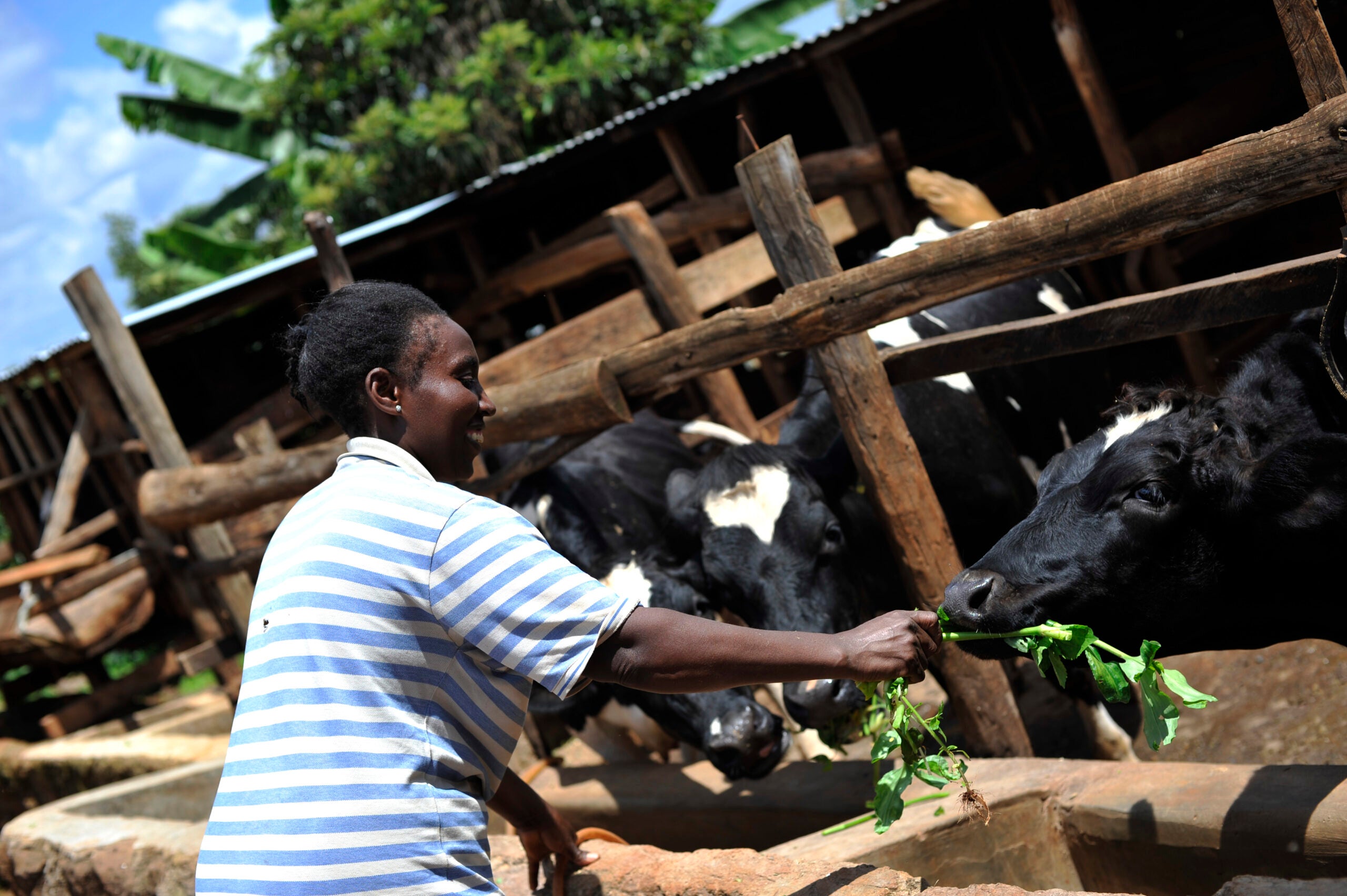
Molly Nyambura, member of Lynjack self-help group, working in her farm in Kiambu County. Photo courtesy of USAID Kenya.

Maintaining animal health isn’t only an essential practice for livestock farming, though any farmer or rancher will agree that’s true. It’s also a way to lower the methane intensity of the meat and dairy produced by livestock and improve health and livelihoods for people, which is particularly important for smallholder farmers in low-income countries.

Livestock farming contributes more than one-third of human-caused methane emissions, a powerful super-pollutant responsible for much of the additional warming and extreme weather the world is facing. At the same time, animal agriculture both provides critical nutrition and supports the livelihoods of millions of families, benefits that are now at risk due to heatwaves, droughts and other climate impacts. 

Read More »

Also posted in Agriculture / Tagged , , , , , , | Comments are closed

Without financing solutions, farmers have to leave money — and environmental benefits — on the table

This op-ed was originally published in Hoard’s Dairyman. Since its initial publication, the financial uncertainty for farmers engaging in conservation practices has grown substantially. Ongoing trade negotiations, tariffs and blocked funding for existing U.S. Department of Agriculture contracts for conservation expenses and the uncertainty of future funding for conservation programs intensify the financial challenges faced by dairy farmers.

Dairy farmers are already part of a high-risk industry — the experience shared below shows how difficult it can be to align funding opportunities with farms’ financial needs. Now, farmers are being left to absorb that risk with less support. To continue producing food for their communities and responsibly stewarding natural resources, farmers will need more flexibility from financial institutions and greater investments from stakeholders advancing sustainable agriculture.

By Alice Crothers

Read More »

Also posted in Agriculture / Tagged , , , , , , , , , | Comments are closed

Four takeaways from a year of global action on food, agriculture and climate

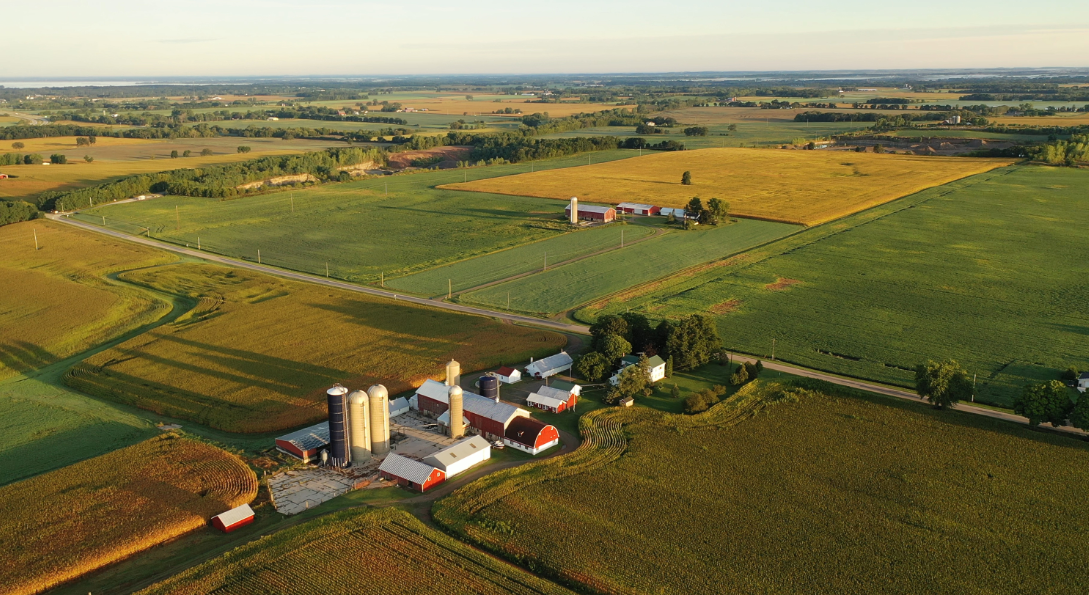
farm in a landscape with fields

Global leaders increasingly recognize that agriculture and food systems must be part of solutions to the climate crisis. From the first Food Systems Pavilion at a UN climate conference in 2022, to 160 countries recognizing food and agriculture as a climate imperative in 2023, food advocates came into the 2024 UN climate conference, COP29, with wind in our sails. We made progress, but the world needs to do more — and quickly.

As we close out the year and look ahead to COP30 in late 2025, significantly more work remains to ensure farmers, fishers and ranchers can feed a growing population and lower climate pollution from food systems.

Here are four reflections from EDF and our partners about the progress made this year and the urgent work that remains to make farms and food systems more resilient, sustainable and equitable.

Read More »

Also posted in Agriculture / Tagged , , , | Read 1 Response

To feed a growing population, farmers need quality financing to flow

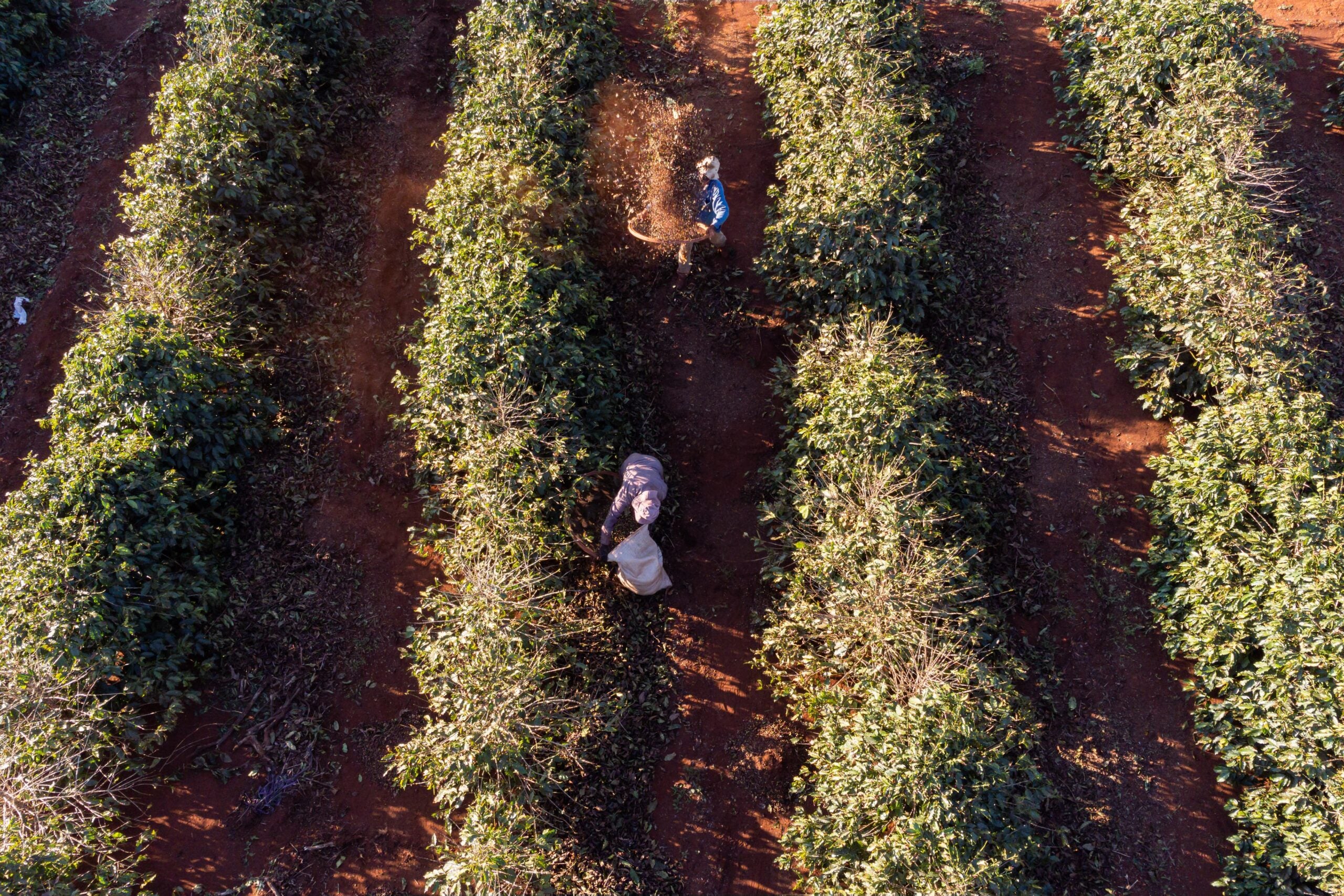
Farmers harvesting coffee in the countryside of Brazil.

Agriculture is both a driver of climate change and on the frontlines of climate impacts. A variety of farming practices, technologies and system changes can reduce emissions to help stabilize the climate and build resilience to help protect global food production. However, a lack of access to fit-for-purpose finance keeps farmers from transitioning to climate-smart farming practices.

This year at COP29 in Baku, Azerbaijan, countries will gather to set a new global climate finance goal, known as the New Collective Quantified Goal (NCQG), for how much money high-income countries will provide to low-income countries for climate action.

This negotiation presents an opportunity to elevate farmers’ needs in financing the climate transition in agriculture.

Read More »

Also posted in Agriculture / Tagged , , , , | Comments are closed

How a producer-led movement to diversify food production can strengthen global food supply

As the world faces growing climate impacts and shocks, the need for a more sustainable and resilient food system has never been more urgent. Last year, the Kansas wheat harvest, known as a bellwether for global agriculture, hit a 60-year low due to severe drought. Record-breaking floods decimated European harvests in the same year.  

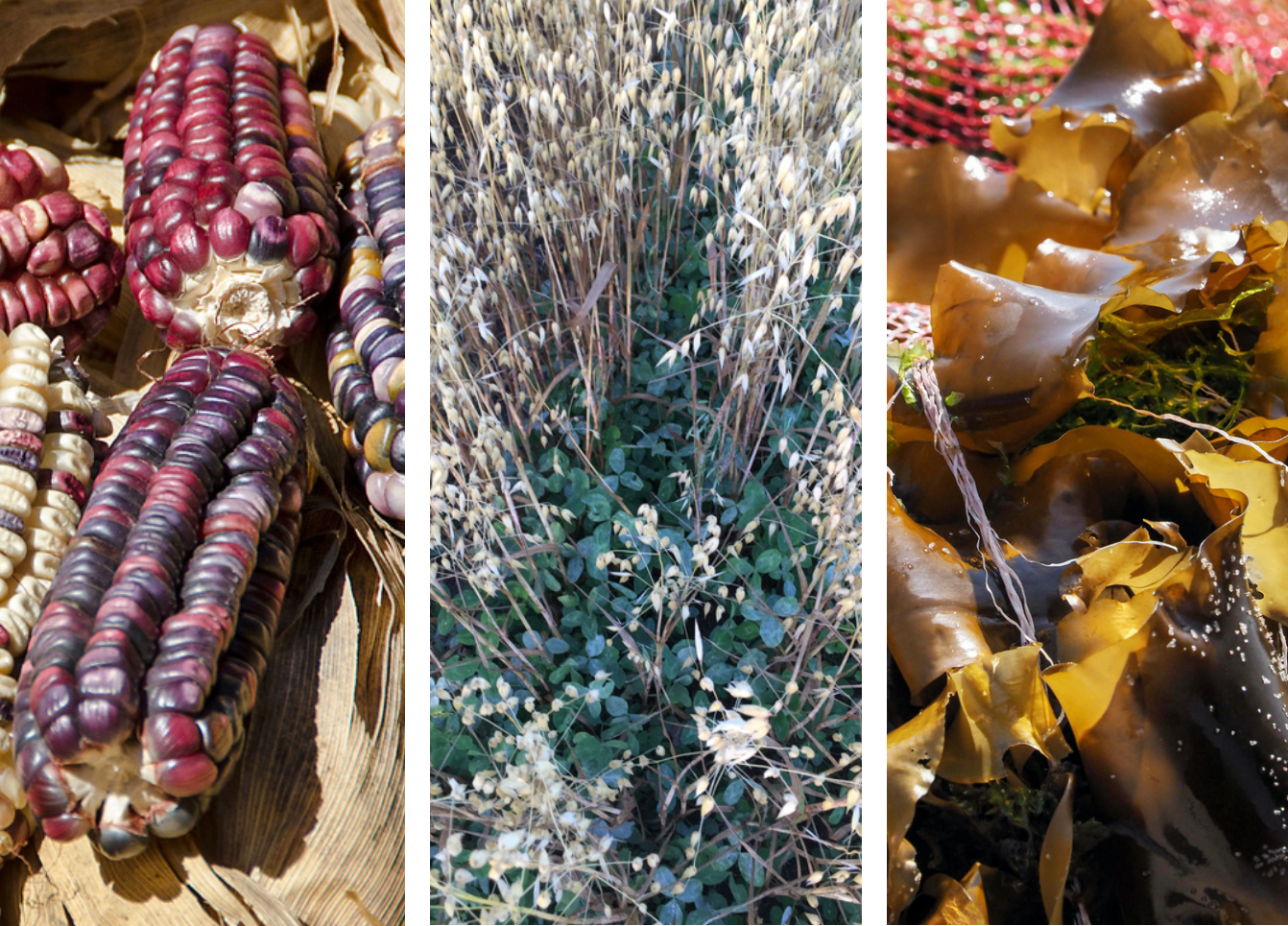
Climate-driven impacts, such as prolonged droughts, severe floods and unprecedented temperature shifts are already creating lasting repercussions for global agricultural and fishing communities. This instability affects local communities, jeopardizing livelihoods and food security. One strategy to enhance the resilience of aquatic and terrestrial food systems is food production diversification.  Read More »

Also posted in Water / Tagged , | Comments are closed

Revisiting a centuries-old approach to farming that embraces water scarcity.

As discussions at COP28 wrestle with climate impacts on global food and water security, we hear from a Hopi farmer on his thriving practice of dry farming and his hopes for shared learning in Dubai.

______

The arid climate of the Hopi reservation in northeastern Arizona receives a mere 8.5 inches of annual rainfall. For perspective, the yearly United States average is 30 inches. Despite this severe aridity, for over 3,000 years, the Hopi people have stewarded an extraordinary agricultural tradition centered on dry farming.

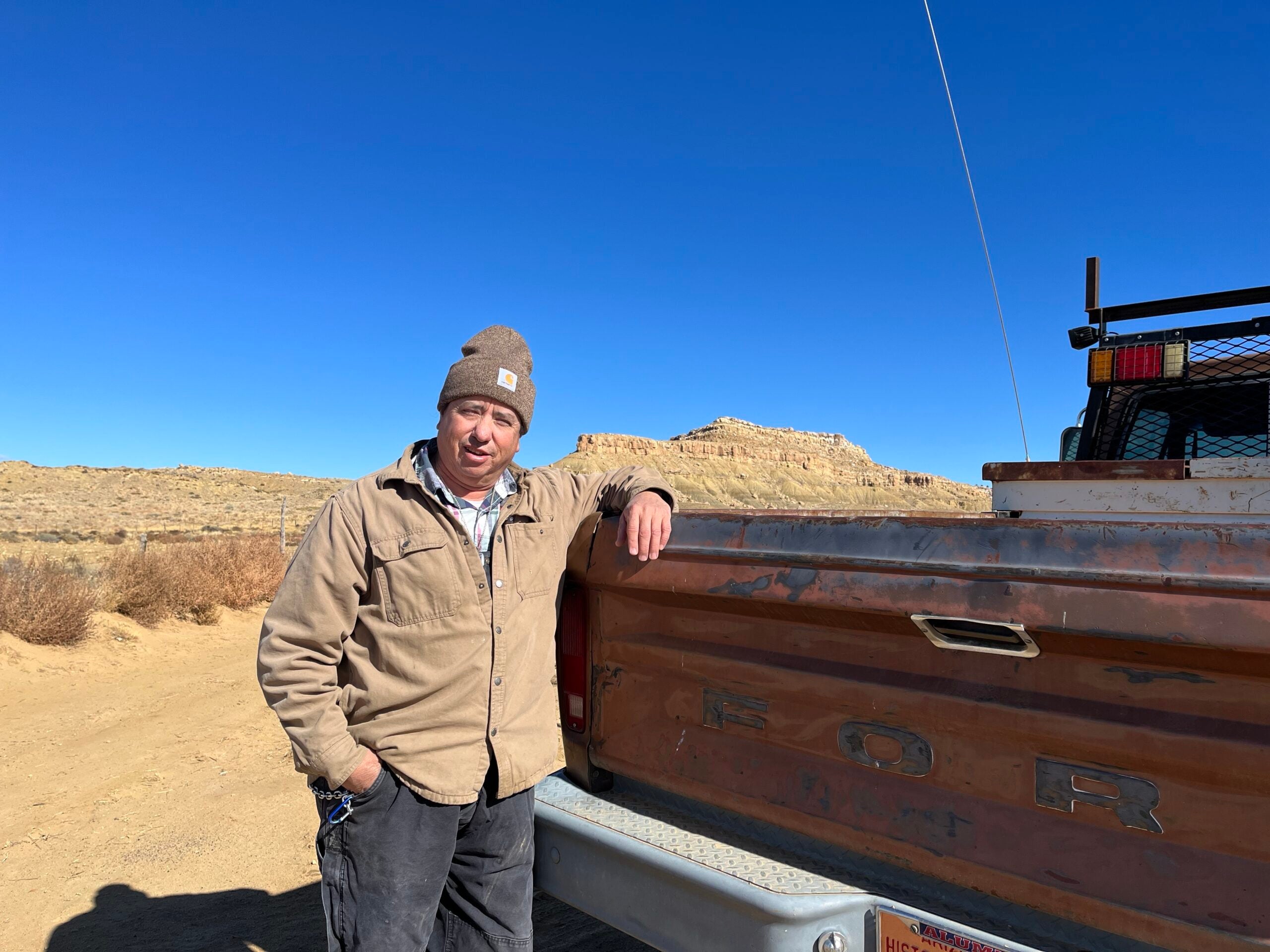
Dr. Michael Kotutwa Johnson is an Indigenous Resiliency Specialist at the University of Arizona and a leading practitioner of Hopi dry farming — a form of agriculture that eschews irrigation in regions with limited water moisture. As a 250th-generation Hopi dry farmer, his ongoing traditional practices are a  testament to the power of cultural values and the potential of climate-adaptive farming. These ongoing Hopi farming practices defy modern notions of crop needs and vulnerability in areas with limited irrigation and water supply.

Read More »

Also posted in Agriculture, Water / Tagged , , , , , , , , , , , | Comments are closed