Climate change solutions
We deliver game-changing environmental solutions that have a real impact for people around the globe.

Building resilient land and water systems that allow people and nature to prosper in a changing climate.

Whether I’m out shopping, preparing a meal for my husband and 10 year-old twins, or visiting a farm with one of our agricultural partners, I’m continually reminded of why I’m so passionate about agriculture. The food supply chain touches all parts of our lives, and my job gives me the opportunity to make sure the farm to plate journey is as sustainable as possible.
Growing up in Connecticut, I spent a lot of time exploring the outdoors and I’ve always had a deep love for animals. Although most of my time in nature is now spent protecting it, I still find the time to run outside every morning before I wake up my kids. Along with all of the farmers and partners I work with, my children – and their cousins (also twins, born on the same exact day as mine) – are the ones keeping me dedicated to building a sustainable future.
Here’s why I couldn’t imagine working anywhere else. (more…)
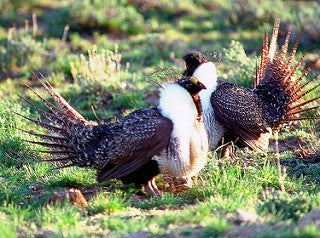 Last week, Nevada Governor Brian Sandoval and Department of the Interior Secretary Sally announced their support for sage-grouse pilot projects on private and public lands through the Nevada Conservation Credit System. With that announcement came an impressive commitment of $2 million to fund the pilots.
The Nevada Conservation Credit System is now seeking to enroll land managers, namely ranchers, in projects that can earn them new revenue for a variety of conservation activities that improve sage-grouse habitat.
A catalyst for Nevada’s conservation market (more…)
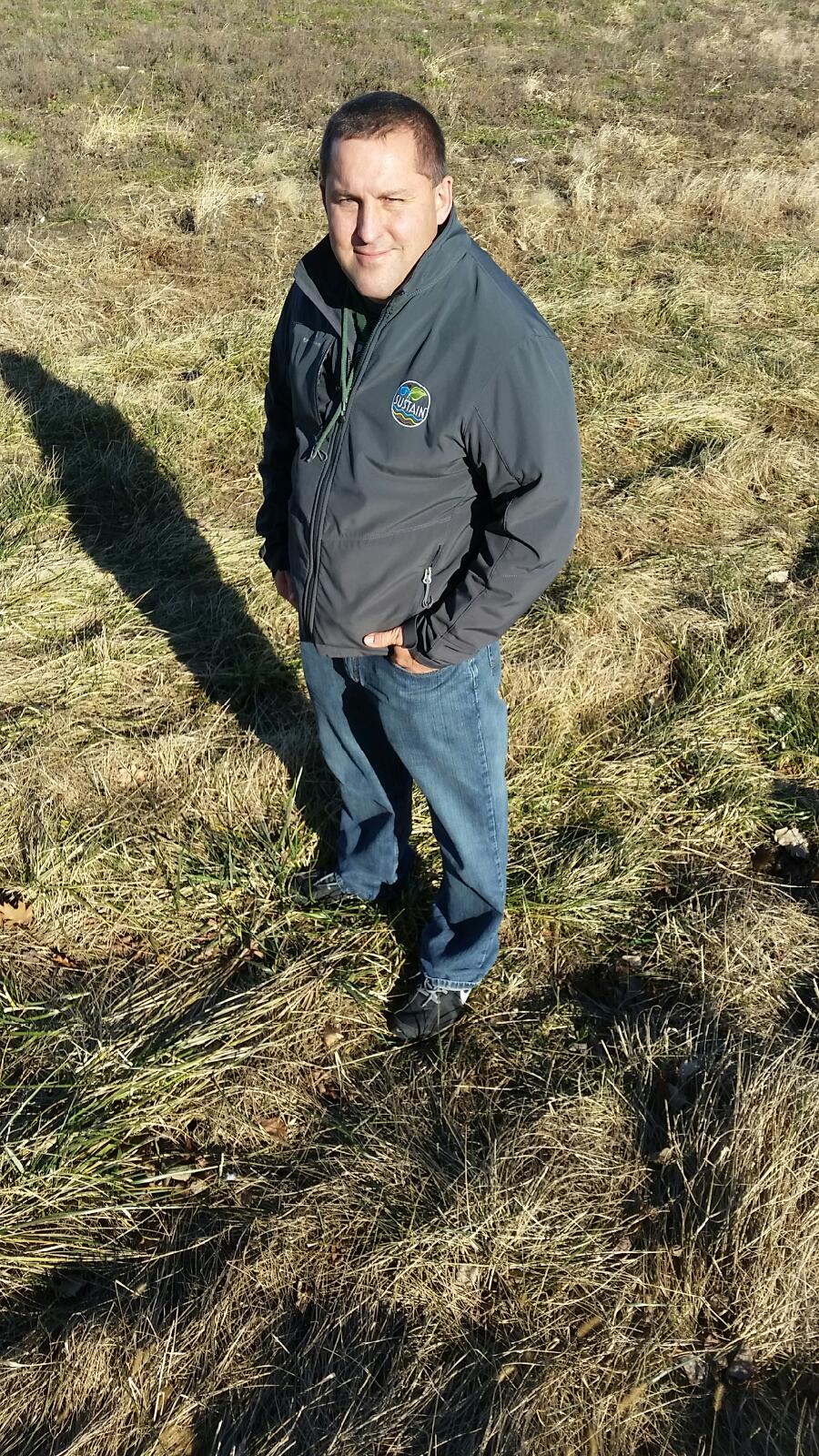
Eighteen months ago, I’d never heard of United Suppliers – a cooperative of 560 locally owned and controlled agricultural retailers who operate nearly 2,500 retail locations that serve 45 million acres in the U.S. and Canada.
Now, I spend 75 percent of my work day focused on the SUSTAIN™ platform, developed by United Suppliers in coordination with Environmental Defense Fund. SUSTAIN works to train and authorize ag retailers on tools, technologies and practices for fertilizer optimization and improved soil health – without sacrificing yield.
And SUSTAIN is on fire – by the end of this year, over 200 ag retail employees will be authorized as SUSTAIN representatives, and General Mills, Campbell’s Soup, Unilever, Kellogg’s, and Smithfield Foods are all using or will use the platform in their sustainable sourcing efforts.
Part of the platform’s success is due to its unique model – it’s deployed through existing, trusted relationships that growers already have with their ag retailer. That’s why I asked SUSTAIN-authorized retailer Jake Rechkemmer, agronomy manager at Dunkerton Coop in Dunkerton, Iowa, to tell me about his SUSTAIN journey. (more…)

I’ve been working to promote and implement sustainable agriculture practices for nearly 15 years. But the last two years have seen more action and momentum in this space than in all of the previous 13 years combined – and I’m more enthusiastic than ever.
Let me be clear – we still have a long way to go. As a USDA report released at the Paris climate talks noted, warming temperatures pose a significant threat to agriculture and food security across the globe. And, despite technological advancements, the multimillion-dollar question of how we’re going to measure and quantify sustainable agriculture remains.
But a new progress report from the White House Council on Environmental Quality (CEQ), also released last week in Paris, reaffirms my optimism and excitement. We’re headed in the right direction, and sustainable agriculture is on its way to becoming the norm. Here’s why. (more…)
The USDA today released a new scientific assessment at the United Nations negotiations in Paris that found climate change will pose a significant threat to food security and to farmers.
National Public Radio’s Dan Charles said it best in his latest story:
“Chances are, you’ve picked up some chatter about the new global talks on climate change. If you can’t quite see how it matters to you, personally, you might want to take a peek inside your pantry. Or your candy jar. Because it might just affect your access to everything from cheese to chocolate.”
Today’s report represents an urgent call to action for food companies, policymakers and agribusinesses to collaborate in reducing emissions from food production and implementing farming practices that increase resilience.
We have the tools at our disposal to make sustainable agriculture a reality. But to implement these measures at scale, we need increased investment from the private sector and collaboration across the agricultural supply chain. We need to go beyond commitments and towards on-the-ground support for farmers. (more…)

A new survey from the Center for Food Integrity suggests that transparency is no longer optional for food companies. Consumers want to know what’s in their food, where it’s from, and how its production helps or harms the planet.
“Consumers increasingly expect their favorite brands to assure more than quality and safety,” said the center’s CEO, Charlie Arnot. “They now expect those brands to assure the supply chain is also transparent.”
Transparency will bring companies’ environmental impacts to light– which can then motivate improvement. But it doesn’t guarantee sustainability – especially when it comes to agriculture. That’s because it’s up to food companies themselves to do the heavy lifting – to address the actual environmental impacts of food production.
For food companies to reach their sustainability goals, transparency is often just the first step. Here’s what follows. (more…)
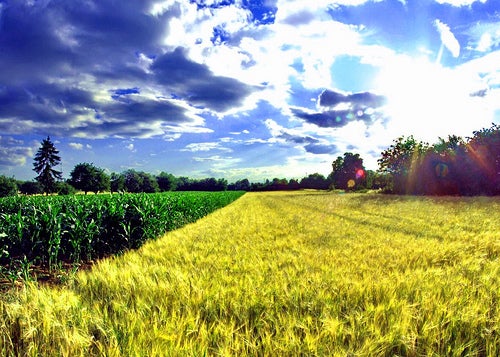
The CEOs of 14 major food and beverage companies have now signed a joint letter asking the 190 governments attending next month’s United Nations climate change negotiations in Paris to act decisively in order to protect global food supplies. In the letter, sponsored by sustainability advocate Ceres, these businesses pledged to accelerate action on climate change and asked U.S. and world leaders to do the same.
Other stakeholders are also pushing for crop production and food security to be a major topic of discussion at the upcoming negotiations, but agriculture isn’t in the draft text for a new climate agreement. Most of the focus will be on emissions from deforestation and land use changes.
These are pressing and important issues that are very closely tied to agriculture – but they don’t capture the emissions and environmental impacts that result from food production. This is problematic, since there’s a lot at stake for farmers. Reports on how climate change will impact the global food supply and crops will suffer from higher temperatures are everywhere.
That’s why we need investment, research, and tangible actions to help farmers and protect our food supply – and we need it now. Fortunately, the private sector can help – their pledges are a great step in the right direction, but it’s the demonstrations of agricultural innovation from within that can spark real change, at scale. (more…)
 America’s agricultural lands are getting another significant boost from the U.S. Department of Agriculture (USDA), as Secretary Tom Vilsack announced the availability of $350 million to help landowners protect and restore key farmlands, grasslands and wetlands across the nation.
The funding, provided through the 2014 Farm Bill’s Agricultural Conservation Easement Program (ACEP), rewards farmers and ranchers for voluntary efforts to protect critical water resources and wildlife habitat from future development.
ACEP is a program that consolidates three former programs – the Wetlands Reserve Program, Grassland Reserve Program and Farm and Ranch Lands Protection Program – into one voluntary program that provides technical and financial assistance to help landowners protect our nation’s vital farmlands, grasslands and wetlands.
The program is a shining example of USDA’s steadfast commitment to preserving the long-term viability and health of our agricultural landscapes.
How does it work? (more…)
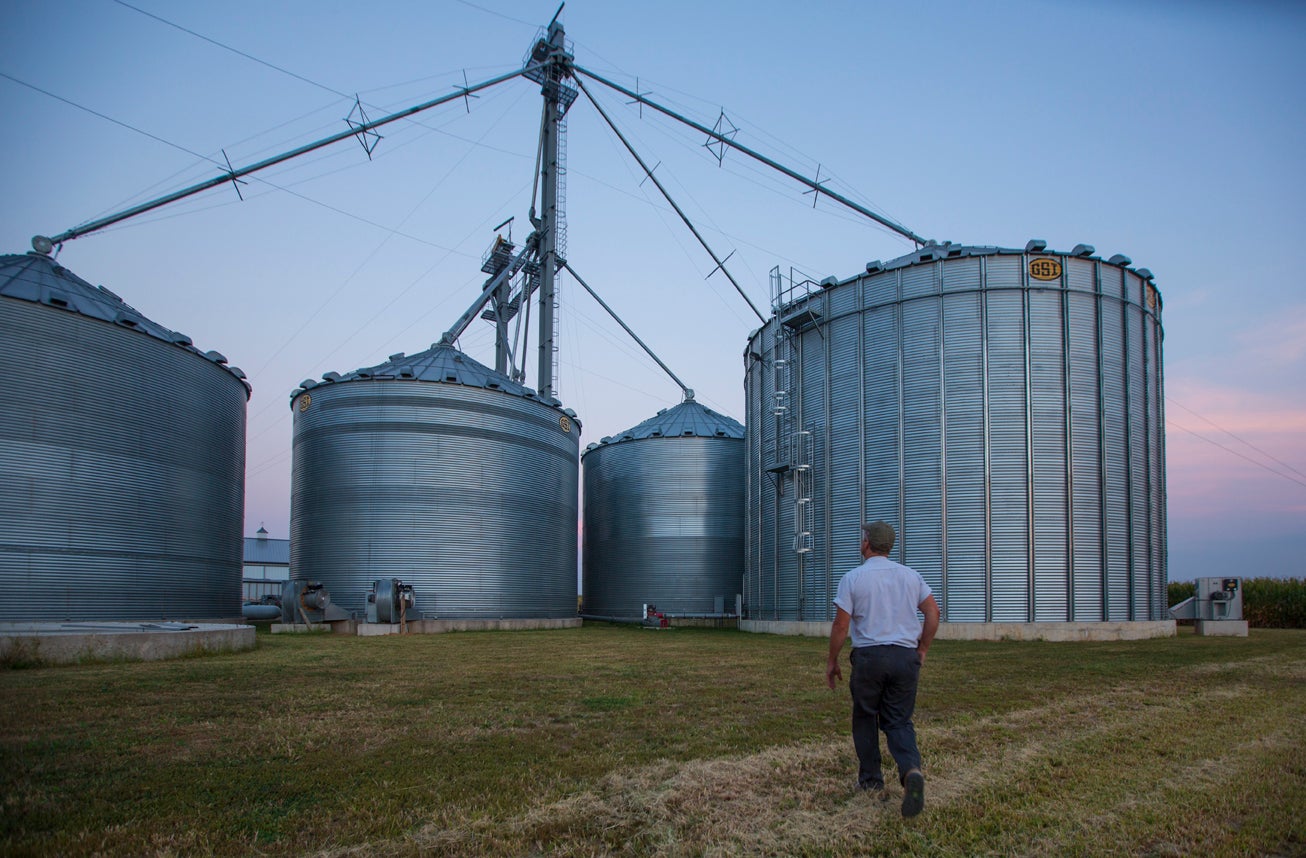 Ten years ago the former CEO of Walmart, Lee Scott, made a speech that included three aspirational environmental goals. One of these goals was “to sell products that sustain our resources and environment.”
Yesterday Walmart announced that it will surpass its aggressive goal of reducing 20 million metric tons (MMT) of greenhouse gas (GHG) emissions from its supply chain. In total, Walmart will reduce 28 MMT of GHG from its supply chain by the end of 2015. That’s the equivalent of getting almost six million cars off the road.
To achieve this goal, Walmart tackled a diverse range of projects, including changing food date labeling to reduce waste and working with food companies and EDF to optimize fertilizer use on over 20 million acres of U.S. farmland.
As EDF president Fred Krupp said, “When you can get big companies to do important things, you can change the world.”
That’s why Walmart’s commitments have had a ripple effect with food companies across the country – 15 companies representing 30 percent of the U.S. food and beverage market created fertilizer efficiency plans – and why the retailer is helping make sustainable food production the norm. Walmart and the food companies supplying products to the retailer’s shelves understand that we’re facing environmental challenges that demand market based solutions. (more…)
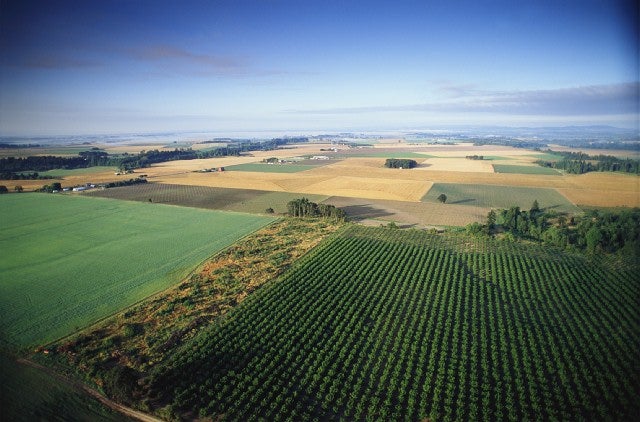 Forty percent of the U.S. is taken up by farmland. Yet only half of these acres are actually owned by active farmers. In the Corn Belt, 70 percent of growers rent some portion of their land from a non-farming landlord. And the biggest growth in non-farming landowners is coming from investors that see farmland ownership as a good business opportunity.
Here’s the problem: non-farming landlords aren’t always informed on the best ways to care for the farm, which can present environmental and economic challenges for tenants and the owners themselves.
As more non-farmers buy up cropland, government agencies, organizations, and even the private sector will need to ramp up efforts to educate landowners on the importance of soil health, fertilizer efficiency, and other conservation measures in protecting their farm’s value and making the land more resilient to extreme weather events.
Non-farming landowners can be a powerful partner in reducing agriculture’s environmental footprint at scale and ensuring food productivity in the future. Plus, when landowners invest in sustainability and collaborate with those farming their lands, everyone wins – growers, landowners, consumers, and the planet. (more…)