Climate change solutions
We deliver game-changing environmental solutions that have a real impact for people around the globe.

Building resilient land and water systems that allow people and nature to prosper in a changing climate.
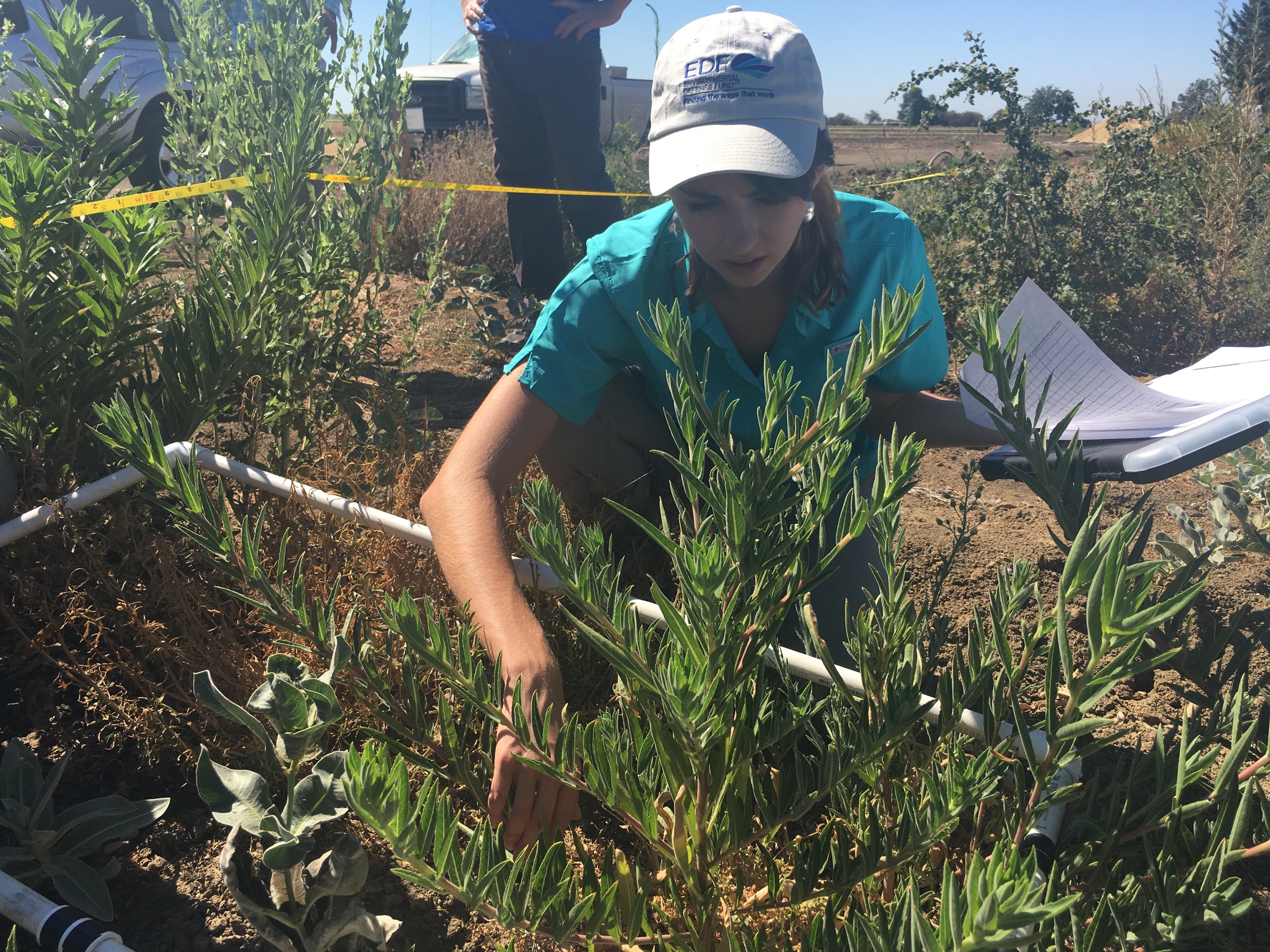
This spring, my colleagues and I visited three ranches in Texas to begin piloting the Monarch Butterfly Habitat Exchange, an emerging program that will help agricultural landowners contribute to monarch recovery.
Elm Ridge Ranch, Wagley Ranch and Shield Ranch will be among the first restoration projects conducted this year to improve ranchlands and create valuable monarch habitat. We will continue to work closely with these landowners to hone the program and ensure it works for monarchs, pollinators and people alike.
Already, we’ve had the opportunity to gain valuable insights, including how to improve habitat quantification and how to inspire enrollment.

The vast majority of the media stories surrounding Amazon’s acquisition of Whole Foods have focused on how the deal could affect the cost of food, home delivery services, competition in the retail space and our overall shopping experiences.
While it’s still too early to predict what exactly Amazon will do with hundreds of new brick and mortar grocery stores, here are three possible implications for farmers and the land they rely on to grow our food.
1. Demand for organic could skyrocket
As of last month, organic products represented more than 5 percent of all grocery sales in the US – and organics have been one of the strongest areas of growth for many retailers and grocery stores.
Now, with Whole Foods under the Amazon umbrella, that demand could increase exponentially. POLITICO noted that if this happens, “domestic organic acreage isn’t positioned to handle such an expansion.” (more…)

Pollinators all over the world are experiencing dramatic declines in populations, with about 40 percent of all invertebrate pollinator species facing a very real threat of extinction. Just last October, several species of bees were added to the U.S. Endangered Species List for the first time. Monarch butterfly populations also face the potential threat of a future listing, with populations down by more than 90 percent in recent decades.
These stats are concerning because pollinator health is a strong indicator of an ecosystem’s overall health. Pollinator decline directly correlates with habitat loss, decreased plant diversity, and increased disease in the ecosystem.
This problem cannot be solved by any one sector. Restoration of pollinator habitats will require significant investment and collaboration between both public and private sectors – especially businesses with bottom lines directly tied to pollinator success. (more…)
No matter your views on climate change, the United States’ exit from the Paris agreement could compromise the ability of farmers and agribusinesses to become more resilient in the face of extreme weather events.
In the absence of federal leadership, individual farmers, state and national ag associations, food companies, retailers, and environmental organizations will need to fill the void.
I’m confident we can do this, because all the farmers I’ve ever known are incredible innovators and are willing to implement practices that can mitigate the effects of an unpredictable climate – practices that also protect their businesses. (more…)
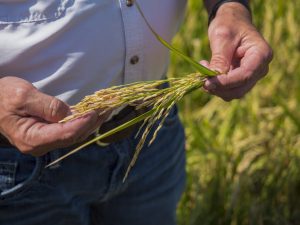
I want to tell you a story about a handful of growers whose commitment to sustainability and desire to innovate inspired an ag carbon credit movement.
Today, the first ever carbon credits generated from rice farmers were sold to Microsoft, all because of a handful of pioneers who tested out a radical idea – that by implementing conservation methods on their crops, farmers could reduce methane emissions and thereby generate a carbon credit that could be later be sold on the carbon market. Not to mention the fact that these farmers also reduced water use by as much as 30 percent. (more…)
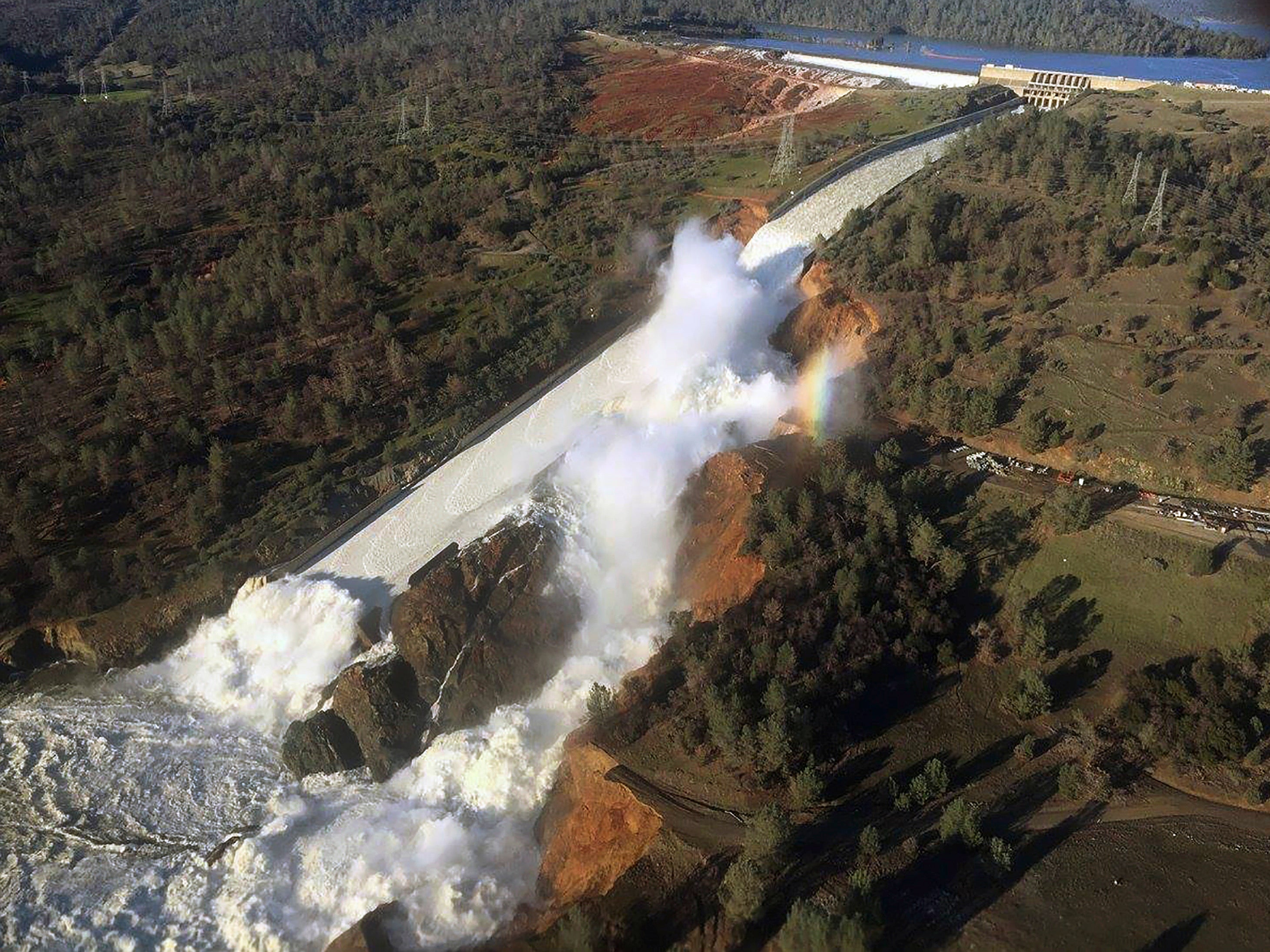
California’s historic winter ended the drought in many parts of the state and piled up record levels of snowpack in the Sierra Nevada Mountains. With so much precipitation, surface water infrastructure – our network of dams, reservoirs and levees – has been called into action like never before, and in some cases has struggled to handle the influx of flows.
With spring temperatures on the rise, snowmelt and runoff have accelerated, adding another wave of stress to the system. And with snowpack still at 192% of average, there is even more runoff on the way.
So where will all this water go?
With many reservoirs near capacity already, water managers have had to allow spring snowmelt to flow out through the Sacramento-San Joaquin Delta and into the ocean. This is inevitable given the sheer amount of water in the system this year, and in fact, these occasional high flows provide multiple benefits to ecosystems and coastal communities.

Before installing a new heating system for your home, you’d want to conduct an analysis to make sure it’s worth the money, right? The same logic applies to farming – before a producer considers implementing conservation practices or new technologies, he or she will need to know how those practices will affect an operation’s bottom line.
Despite some good anecdotal information and several isolated field trial studies, the reality is we don’t have nearly enough information on the economic impacts – good or bad – of individual conservation practices. That means we cannot yet make an ironclad business case that will persuade the majority of farmers to implement conservation practices.
There are several key reasons for the dearth of information, and that’s partly my fault.
I’m hoping you can look past this and consider my call to work together to collect the necessary data to strengthen the case. Our food, livelihoods and landscapes depend on it. (more…)
NutrientStar, which assesses fertilizer management products and tools using field trials and in-depth scientific reviews, was a game changer for farmers. Prior to the launch of the program last year, there was no expert review program – no Carfax, no Consumer Reports – to help farmers determine what tools would work as advertised.
The only downside of the program was its limited utility. Farmers had no easy way to extrapolate results from the relatively few number of field trials performed thus far to their own locations.
Now, a new geospatial feature called the Technology Extrapolation Domain (TED) framework will make NutrientStar accessible to tens of thousands of additional farmers across the Corn Belt.
I like to think of it as NutrientStar on steroids. (more…)
Stewardship of our land and water resources has always played a central role in my life.
I grew up “out in the country,” as we call it, on a-five acre “farm” in Yolo County, California – large enough for raising pigs and sheep, which my older brothers and I would show at the annual 4-H Fair in nearby Woodland.
Living in the Central Valley, we could always count on very hot, dry summers and occasional consecutive dry years, which inevitably were followed by years of heavy rains and even flooding. From a very young age, I understood how important it was to be smart about how we managed our water supply and the surrounding landscape for people, wildlife and the environment.

When the first endangered species list was created 50 years ago, it started out with 78 animals. The grizzly bear and bald eagle were among American icons that made that first list.
Today, it counts 1,400 animals and 900 plants – an expansion that reflects more petitions for listings over time, but also the fact that threats to habitats and ecosystems have become more widespread and complex.
In the early days of the Endangered Species Act, we could more easily identify the threat and go straight to the source. When DDT was thinning egg shells, killing embryos and endangering multiple bird species, we worked to curb applications of the harmful pesticide. After a federal ban against DDT, the problem was solved.
Today, threats are more likely to come from broad landscape changes that occur when growing populations push housing and commercial developments outward, energy development and large-scale farming fragment and encroach on habitats, and climate change-related droughts and wildfires degrade entire ecosystems. (more…)