Climate change solutions
We deliver game-changing environmental solutions that have a real impact for people around the globe.

Building resilient land and water systems that allow people and nature to prosper in a changing climate.
Colorado voters will soon choose a new governor. Based on the candidates’ campaign statements and policy proposals, both Republican state Treasurer Walker Stapleton and Democratic U.S. Rep. Jared Polis are committed to implementing Colorado’s Water Plan.
They’re both also receptive to a key element of the plan called Alternative Transfer Mechanisms (ATMs). Here’s why that’s a good thing for Colorado. (more…)
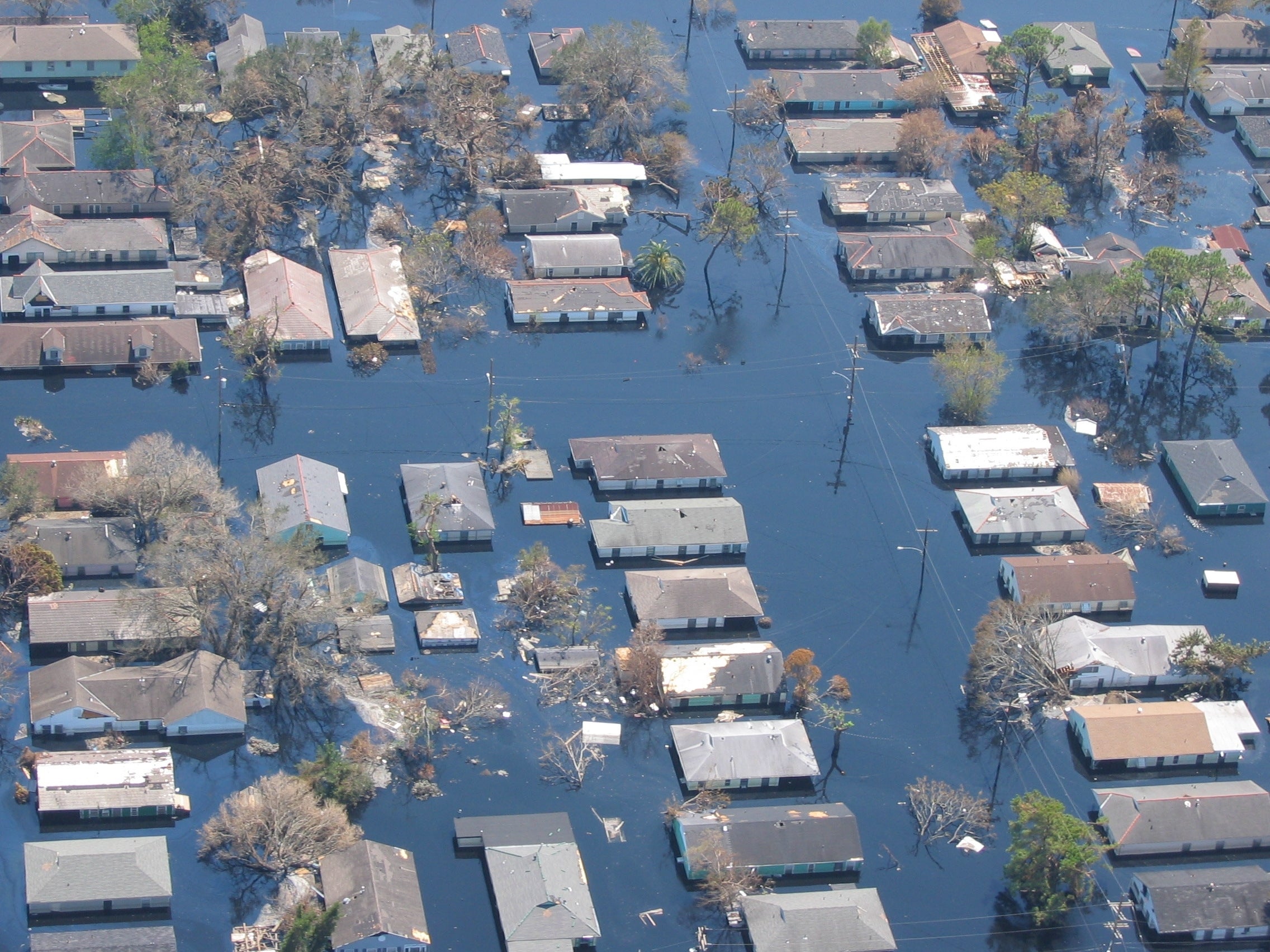
Hurricane Florence caused more than $1.1 billion in agricultural losses, according to the latest estimates from the North Carolina Department of Agriculture and Consumer Services. Row crop losses total nearly $990 million. Livestock, poultry and aquaculture damages total $23 million, and include the deaths of 4.1 million chickens and 5,500 hogs.
Many farmers and friends have confided to me that flooding from Florence has been worse than the flooding caused by Hurricane Floyd, which until now had been North Carolinians’ point of reference for agricultural devastation wrought by too much water. Florence also followed on the heels of 2016’s Hurricane Matthew, which caused flooding that many communities in North Carolina’s coastal plains had only just recovered from.
The losses for farmers, their families and rural communities are staggering. This devastation underscores the need for action. Solutions exist to help the agricultural sector build resilience and long-term prosperity, but the private and public sectors can’t delay implementing them any longer. (more…)
Hurricane Florence’s arrival so soon after Hurricane Matthew serves as an urgent reminder that new, effective and rapidly implementable solutions are required to meet the challenges of a new normal of extreme weather.
It’s time to invest in three proven approaches to flood preparedness and economic development so that our communities can bounce forward to a more prosperous, safe and resilient future. (more…)
Ecosystem restoration planning has traditionally been based on a desire to restore a system to some historic condition – even as conditions are constantly evolving because of climate change. Rather than planning for the future, we often look back at what the system once was and try to replicate it. But in a rapidly changing world, this model is not sustainable.
A paradigm shift, from restoration projects that solve past problems to those which address future conditions, is necessary if we’re to continue living in coastal areas.
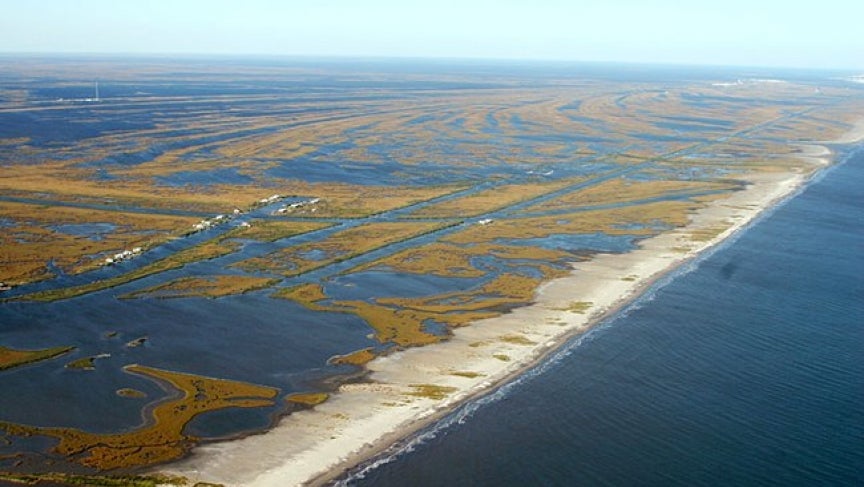
Where I work in Louisiana, the Mississippi River Delta is facing an ongoing land loss crisis, due to a host of man-made and natural causes that is further exacerbated by the increasing effects of climate change.
To face this challenge, my Restore the Mississippi River Delta coalition colleagues and I, in collaboration with Tulane University, University of New Orleans and The Water Institute of the Gulf, began an effort to improve the future performance of coastal restoration projects. We started by identifying approaches and investment opportunities that support the long-term viability of the ecosystem – and the communities and industries that depend on it.
It’s our hope that this work will help Louisiana and other coastal areas around the country better plan for the future. (more…)
When thousands converged in San Francisco for the Global Climate Action Summit earlier this month, it was no surprise that the focus centered on reducing emissions.
But as speakers noted at a two-day Water Pavilion, an affiliate event at the summit, the majority of natural disasters and impacts from climate change are related to water – either too much of it (think of those in North Carolina suffering from devastating floods from Hurricane Florence), or too little (as we’ve seen in across the Southwest, with multiple states experiencing record-setting years-long droughts). These extremes are also recurring around the globe, from Hong Kong and the Philippines to Cuba and Australia.
Put simply, water is the blade of climate change that will cut most deeply.
As a result, it’s time to elevate water issues at major climate change events, such as this week’s tenth Climate Week NYC and the UN Conference of Parties climate conference in Poland in December. (more…)
Critical habitat designations are an essential tool in the Endangered Species Act (ESA) toolbox. They are the primary mechanism Congress created to accomplish the goal of the act, “to provide a means whereby the ecosystems upon which endangered species and threatened species depend may be conserved.”

Because habitat loss and fragmentation is currently the leading cause of extinction, it’s vital to protect areas that currently contain the physical and biological features that are essential for species survival today.
Supporting imperiled species also requires that the U.S. Fish and Wildlife Service and National Marine Fisheries Service (Services) identify and protect historic ranges that can be restored or rehabilitated, provide key features or dynamic forces essential to species, or potentially become suitable habitat due to climate change. Critical habitat designations are the tool the Services use to do this.
As important as they are, critical habitat designations don’t come without controversy. (more…)
With the impacts of Hurricane Florence continuing to unfold, coastal communities in the Southeast will soon be looking to other coastal areas, like Houston, as models for rebuilding resiliently. By doing so, they can speed their recovery and build back in smart ways – because that’s what resilience is all about.
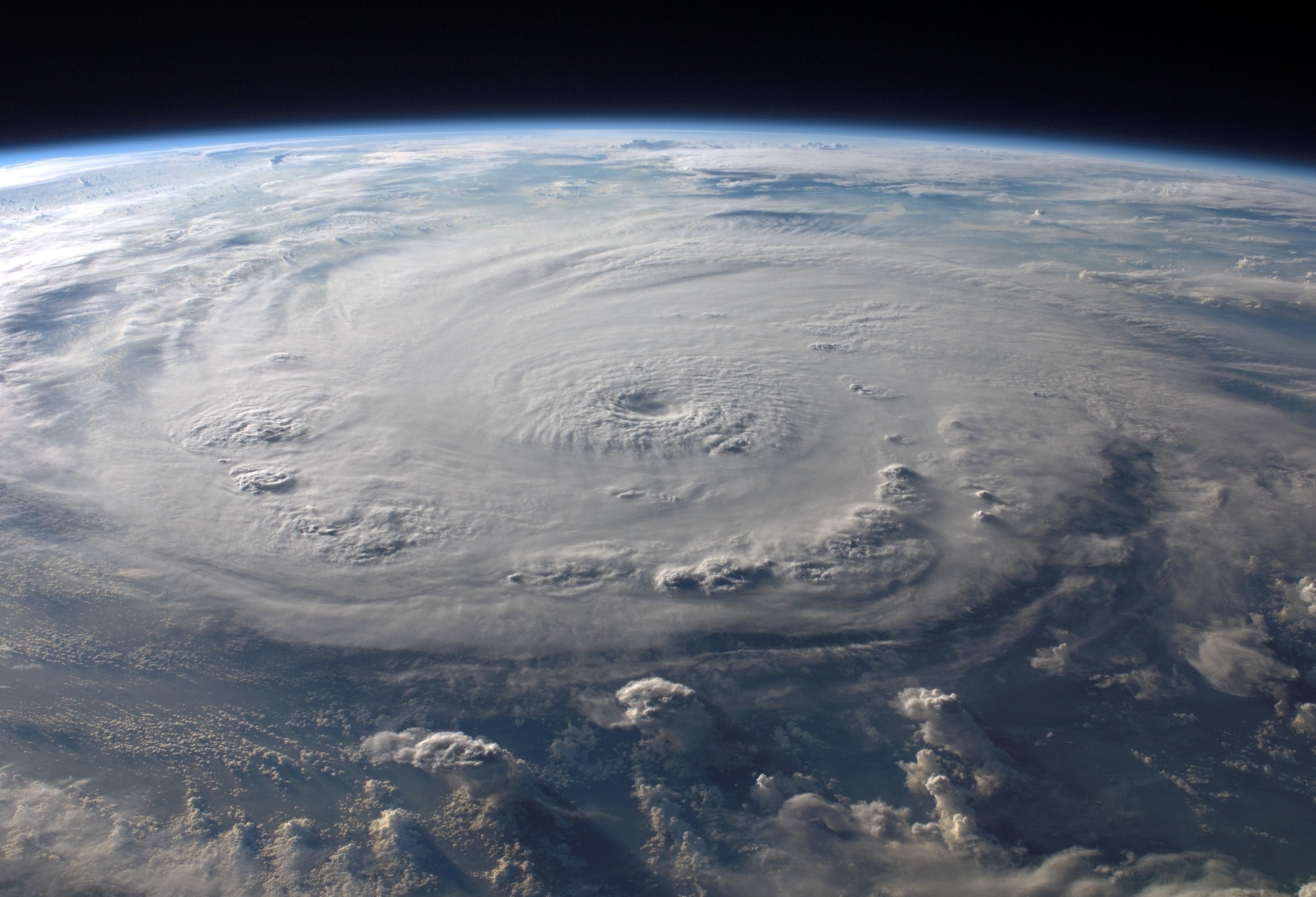
For Houston, it wasn’t a single event that triggered discussions of resilience. Houston residents have faced a decade of intense storms and floods, with Hurricane Ike in 2008, the Memorial Day Flood of 2015, the Tax Day Flood of 2016 and Hurricane Harvey in 2017. Together, these repeat catastrophic events sounded the alarm that past approaches to managing flood waters are not sufficient.
Last week, I went to Houston to help decision-makers explore how the city can realize its aim to become more resilient. One year after Harvey, Houston is still learning from its experiences and building upon lessons learned from mega-disasters like Katrina and Sandy to move more rapidly into resilience-building phases. That’s good news, because with more frequent, intense weather events, communities across the nation are going to have to rebuild smarter.
Once communities and officials in the Southeast begin thinking about recovery from Florence and preparing to rebuild, there are four key lessons they can learn from Houston after Harvey that will ultimately help them strengthen the social, economic and environmental fabric of the region. (more…)
The Trump administration has made several attempts to remove science-based decision-making at multiple federal agencies, including those responsible for keeping the American public and our nation’s vital ecosystems healthy.

The latest proposal to insert economic considerations into Endangered Species Act (ESA) decisions is not only illegal – prohibited by the act itself – it’s also a misplaced attempt at incorporating economics where they simply do not belong.
It’s the latest in this administration’s politicization of science and, if successful, will ultimately interfere with efforts to craft durable, realistic solutions to public and ecosystem health. (more…)
by Christina Babbitt and Daniel M. Dooley, New Current Water and Land
Over the next two years, more than 100 groundwater sustainability agencies in California will have to hammer out a plan to make their groundwater basins sustainable.
But as mangers in many areas work to combat decades of over-pumping, they face a major dilemma: In dividing the groundwater pie to avoid overuse, they can’t change Byzantine groundwater rights that date as far back as 1903.
In a new working paper, “Groundwater Pumping Allocations under California’s Sustainable Groundwater Management Act,” Environmental Defense Fund and New Current Water and Land – a California-based consulting firm – provide water managers with a recommended approach to navigate this challenge and develop plans that are more durable, and thus likely to succeed, under the new Sustainable Groundwater Management Act (SGMA).
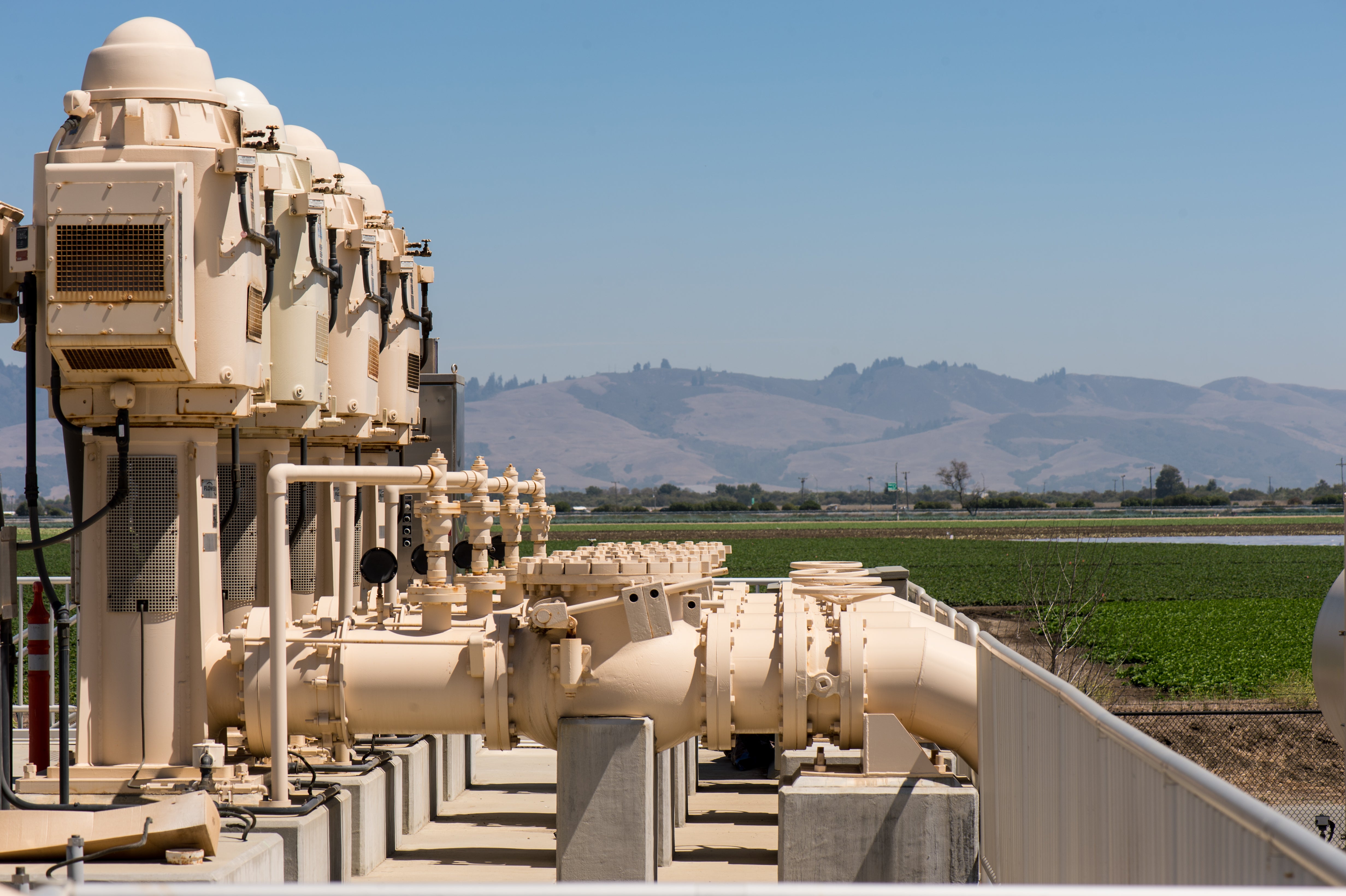
Choosing which approach is best is a critical step for cutting back groundwater use, which many basins will have to do, and for creating water trading systems, which many basins are considering to better manage increasingly limited groundwater. Before you create a market, you have to define who has how much – in this case, groundwater pumping rights – in order to trade. (more…)
There’s so much that Dr. Erle C. Ellis gets right in his recent op-ed in The New York Times, “Science Alone Won’t Save the Earth. People Have to Do That.”
We’re exceeding Earth’s planetary boundaries. We need to adjust our expectations about what a new normal will look like. And there’s no single optimal solution for thriving in a changing climate.
But in making the case that it is people who will decide the future and not science or natural limits, Dr. Ellis falls into the binary trap he’s encouraging us to avoid. It’s not an either/or proposition.
We need both science and people to make our land and water systems more resilient so humanity and nature can prosper. Heck, we need every tool in the shed, including community engagement, flexible policy, money and good old-fashioned political will.
It may sound like an impossible order, but it’s already happening in some surprising places. (more…)