






Why a “Godzilla” El Niño won’t end California’s drought
Posted: in Water
Written By

Share
The original version of this post appeared on EDF’s Voices blog.
An El Niño advisory is now official, and scientists suggest there is a greater than a 90-percent chance that it will arrive this winter.
They also believe the developing El Niño could become one of the most powerful on record – rivaling its 1997-98 predecessor, which sent California twice as much rain and the Sierra Nevada double the snowpack it usually gets.
So news of another El Niño may sound like a blessing for California farmers, who help make the state the world’s eighth-largest economy, as they suffer through the worst drought in more than a millennium.
Unfortunately, the impending weather phenomenon won’t reverse the drought – and here’s why.
- There is a strong chance the rain won’t show. The 1997-98 Western storms may be fresh in mind, but with conditions similar to what we’re seeing this year, California as a state may, in fact, be getting less rain than it normally does. Historically, this has been true with nearly half of such El Niños. And even if Southern California gets above-average rainfall, as it often has in the past, that would do little to fill the state’s northern reservoirs, which store water for much of the state’s farms.
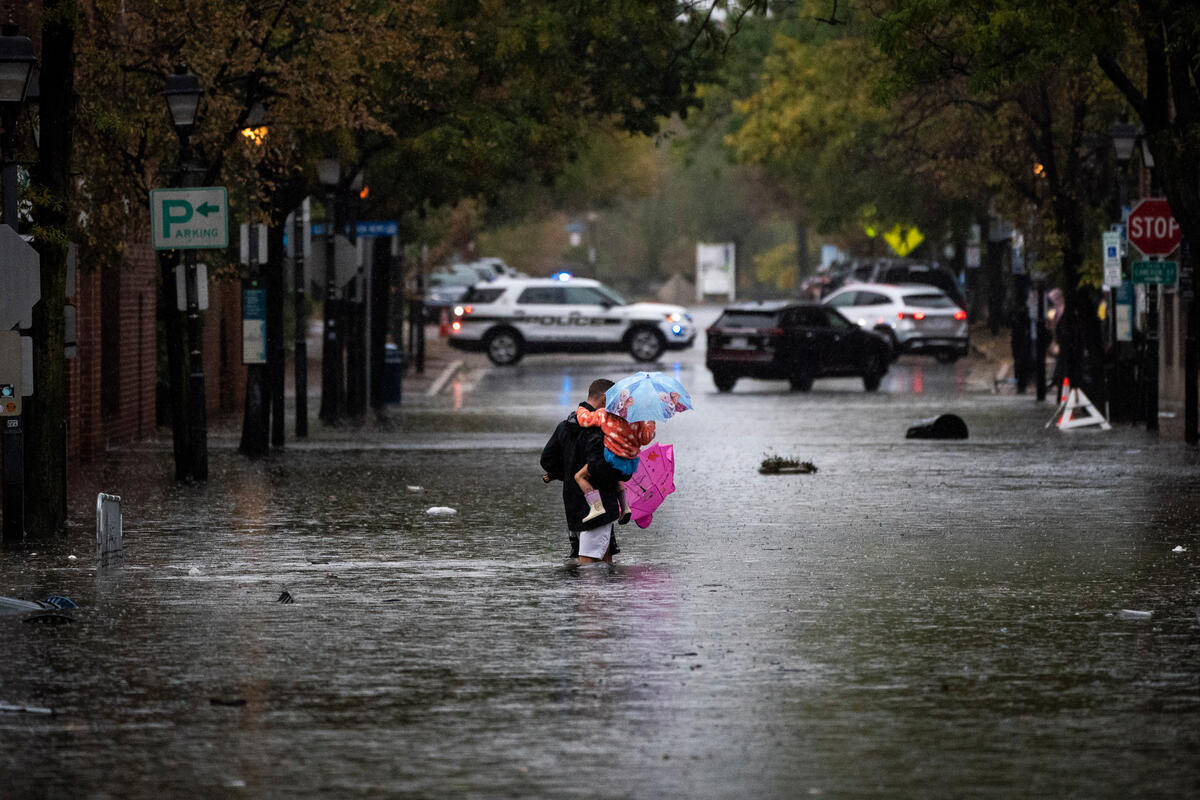
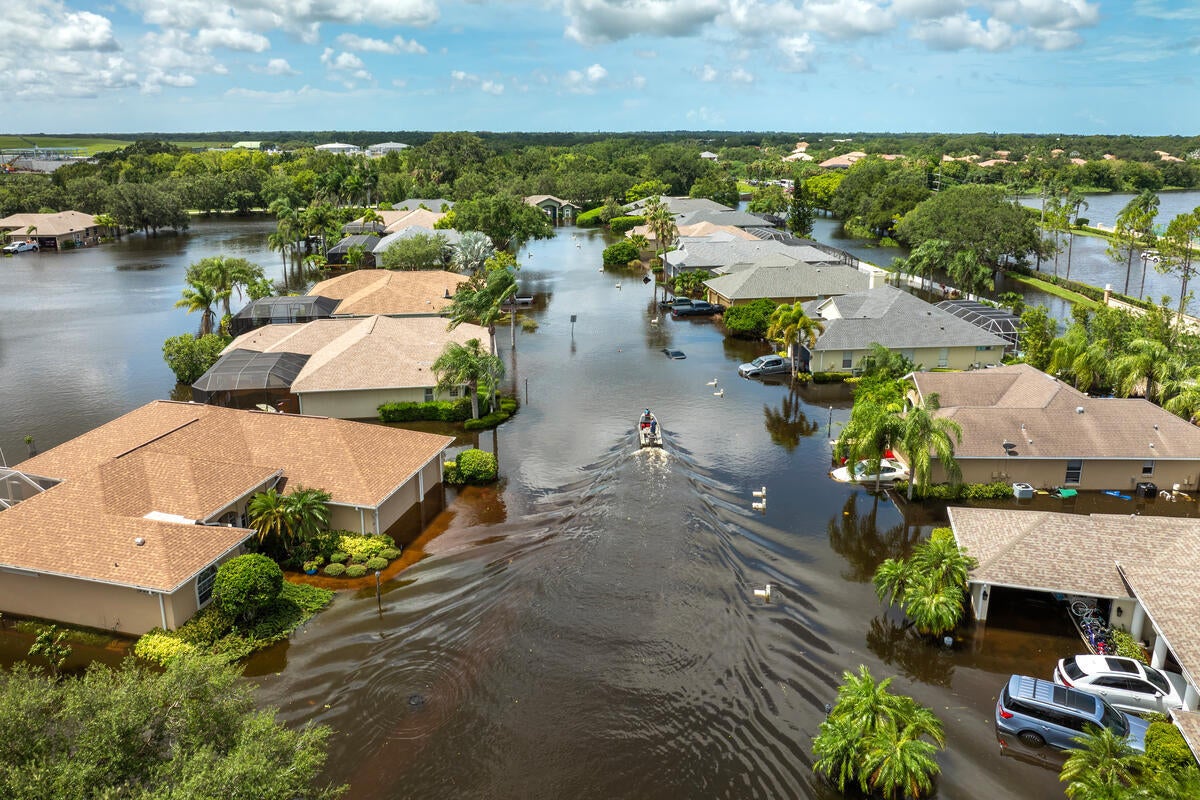
- Too much rain at once can be problematic. The ground can’t absorb massive rainfall quick enough, so most of the rain washes into streams and rivers – and eventually the ocean – instead of replenishing the groundwater table. The lack of absorption also means more flooding, mudslides and other emergencies.
- Years of drought can’t be erased by a single, wet season. Drought is a water-balance issue, and the deficit in water has been piling up for four years. It is unlikely that a season or two of more rainfall than usual will make up the difference.
- El Niño will bring along record heat. This will exacerbate drought conditions and lead to less snow in the mountains, which perpetuates the cycle of drought.
So what will it take to end the drought and get California back in balance?
To end the drought, we need Mother Nature to shift some meteorological and oceanic conditions that we have no control over.
But there are measures we can pursue to get California back in balance – such as:
- Reducing greenhouse gas emissions to slow warming rates. (Climate change may be playing a significant role in the drought by altering the jet stream through warming in the Arctic.)
- Accelerating the development of sustainable groundwater management plans.
- Recharging aquifers.
- Improving water-use efficiency and implementation of water markets so water can be transferred from lower value to higher value uses.
These measures won’t stop an El Nino this winter, but they will help us weather an unpredictable future.