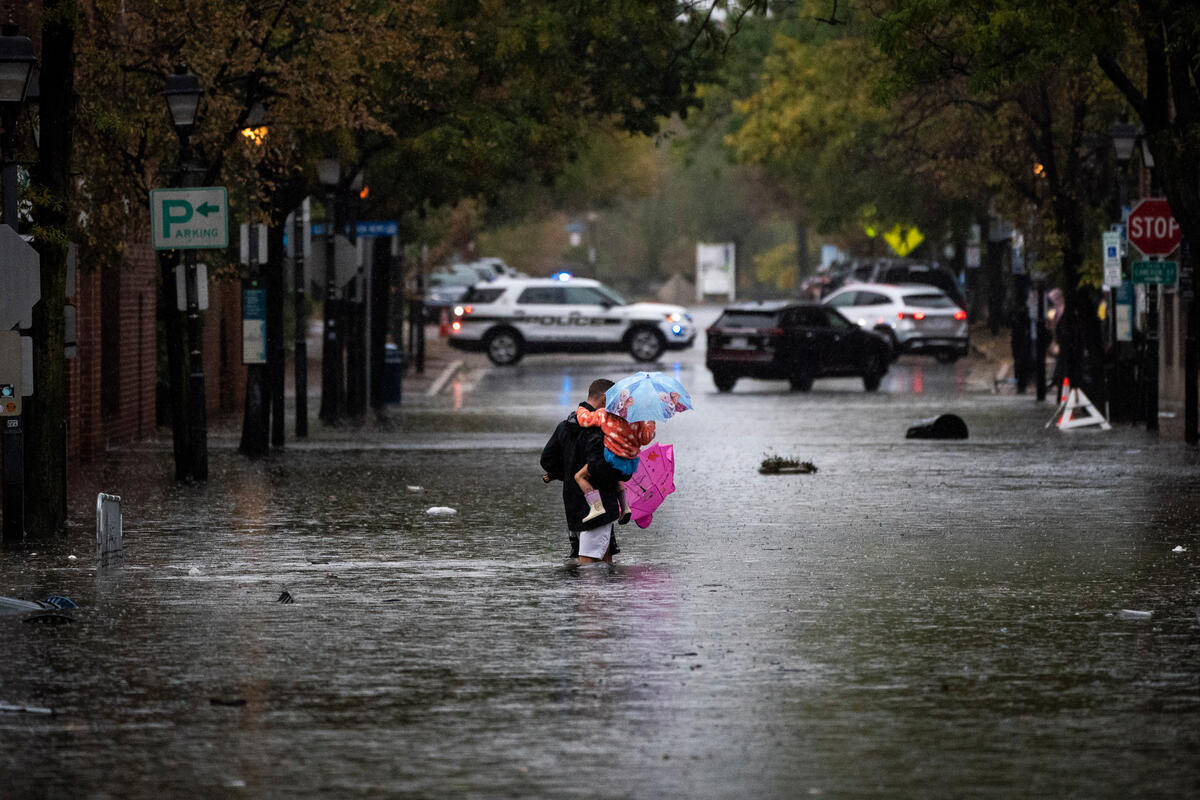







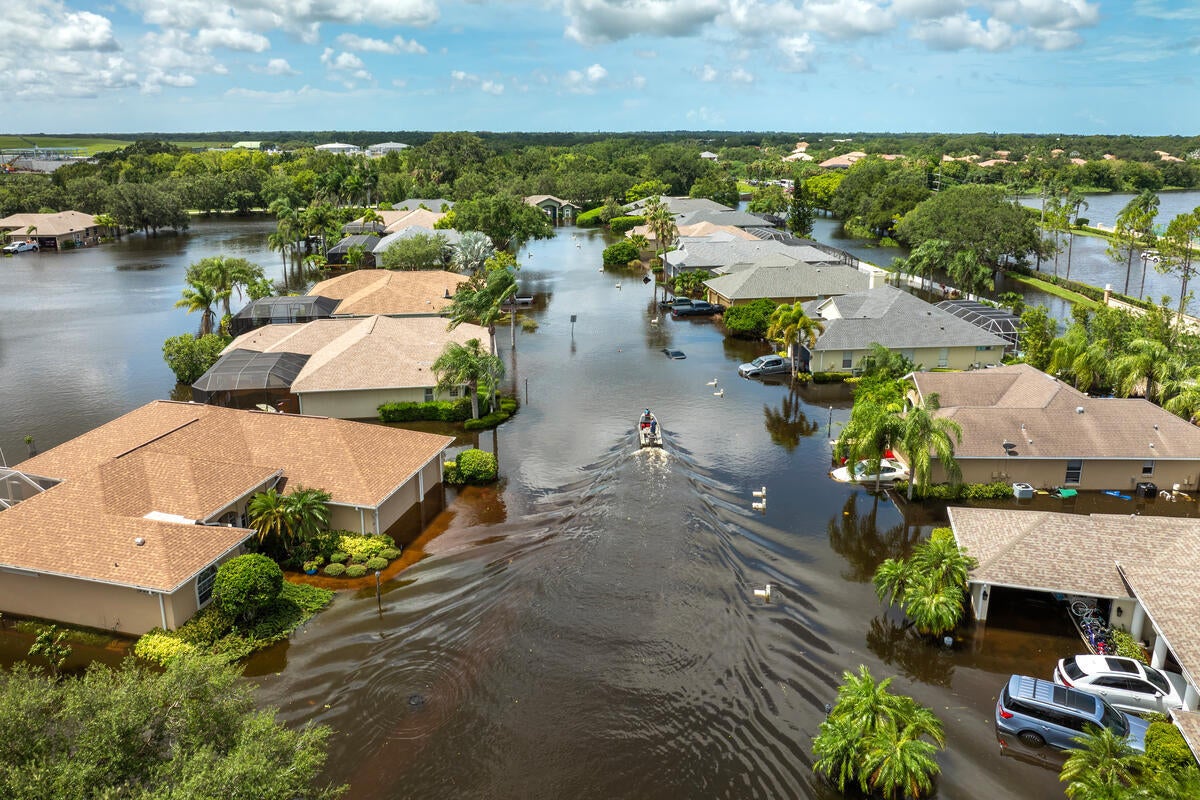


Extreme weather like hurricanes, tropical storms and torrential rainfall are facts of life for many Florida communities. And the risks of such weather are increasing and worsening in severity with sea level rise, warming ocean temperatures and stressed ecosystems, making resilience-building an urgent priority. Despite these challenges, competing budget priorities have threatened state funding that would enable local governments to advance resilience-building solutions—that is until motivated groups across business and environmental sectors came together to advocate for funding to mitigate flooding impacts and build resilience.
Lawmakers met these demands and recently allocated $160 million to the Resilient Florida program, which helps communities identify flood risks and implement projects that protect homes, businesses, infrastructure and natural resources. It was made official when Governor Ron DeSantis signed the budget in late June.
EDF supports this decision and urges leaders to consider expanding resilience funding in the future.
The importance of a program like Resilient Florida
Resilient Florida has invested over $1.8 billion to resilience planning and projects since its inception in 2021, and the program continues to receive strong bipartisan support due to its success and popularity. It supports the entire state and gives local leadership opportunities to advance solutions that address their community’s unique flooding challenges.
Investing in resilience is not only about protecting people, property, and infrastructure; it is also a smart economic decision. Research has found that every dollar invested in resilience can save as much as $13 in avoided disaster damages, recovery costs and economic disruption.
Why Florida needs to invest in resilience solutions
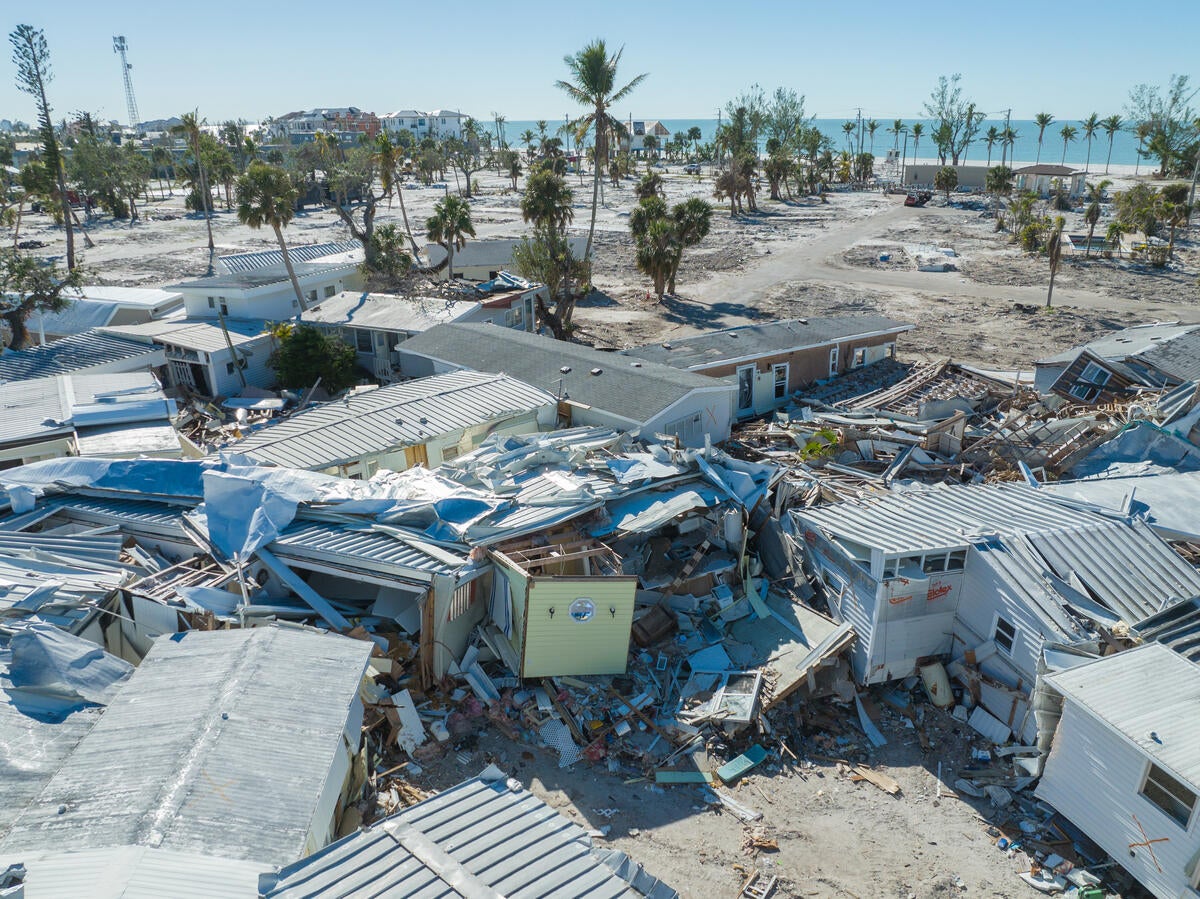
Over the last decade, Florida has endured over $270 billion in damages from hurricanes. We need to invest in projects that help communities prepare for these worsening impacts, and there are many innovative ideas already in the works. By harnessing nature and utilizing its processes like restored wetlands, living shorelines and sand dunes, we can reduce storm surge and mitigate flood risk. Florida’s Department of Environmental Protection can also form clear guidelines aimed at fast tracking nature-based solutions.
One project that showcases the success of Resilient Florida investment is the Titusville Causeway multi-trophic shoreline project. This project, which has restored 2,600 feet of shoreline, installed wave attenuation devices, and planted seagrass demonstrates how nature-based solutions can help communities adapt to changing conditions. By combining shoreline stabilization with habitat restoration, the project is reducing erosion, improving ecosystem health and strengthening the resilience of an important transportation corridor.
Furthermore, the project provides valuable lessons for communities and leaders across the state. The techniques and partnerships developed through this effort inform future resilience investments, demonstrating how nature-based solutions can become an increasingly important part of Florida’s strategy for managing flood risk and protecting vulnerable coastlines.
Moving forward
Federal assistance has become less predictable, which is why it is so critical for Florida leadership to use state funding to prepare communities ahead of disasters. Resilient Florida serves as a prime example of what other states can do to empower local leaders to build resilient communities.
Without continued, strong funding for Resilient Florida, we can expect local projects to be canceled or delayed, leaving communities less prepared to combat increasing risks from extreme weather events.
EDF joins the many other business and environmental groups in supporting the $160 million allocated by lawmakers for Resilient Florida. We urge the governor to continue supporting resilience investments, as well as seek private-public partnerships to further expand funding streams, ensuring Florida not only meets the growing demand but stays resilient for years to come.