






New research shows how to improve the voluntary carbon market to accelerate investment in nature
Posted: in Agriculture
Written By

Share
The explosion of net-zero emissions commitments over the past few years from major companies and municipalities shows that institutions are ready to tackle climate change. While reducing industrial emissions of greenhouse gases is a clear and primary priority, achieving global net zero will hinge on investing in nature.
Natural climate solutions (NCS) have the potential to deliver at least 20% of the emissions reductions we need to reach net zero by the end of this decade. Plus, they can deliver other benefits like clean air and water, increased biodiversity, economic opportunities for local communities and enhanced protection against storms and flooding.
Despite their value, natural climate solutions receive less than 3% of public finance, and shortcomings in the voluntary carbon market have limited private investment.
New research in Science Magazine explores three pathways for improving the carbon market to help unlock private investment and nature’s ability to help us.
Go beyond carbon dioxide.
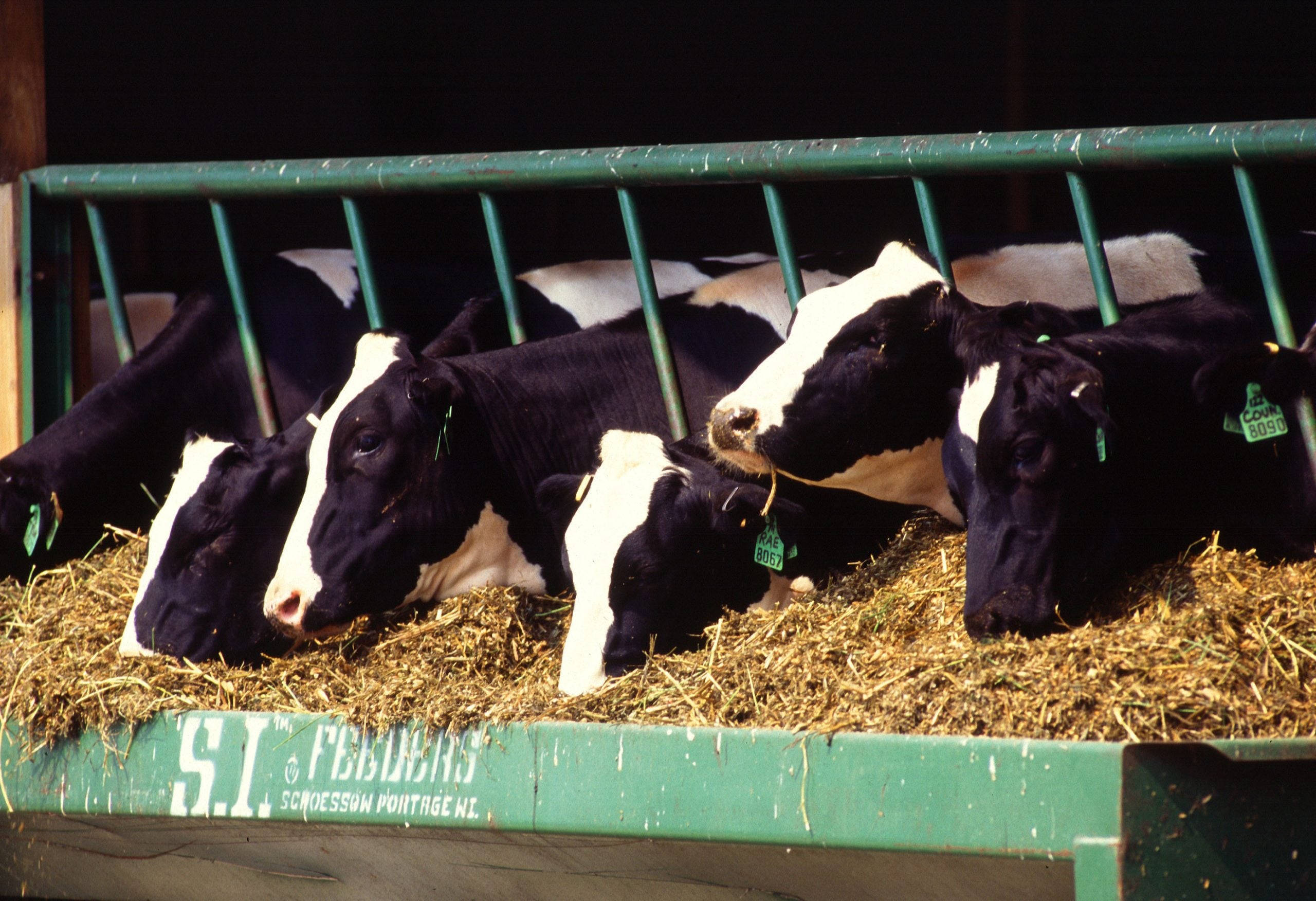
Methane has 80 times the warming potential of carbon dioxide pound for pound over a 20-year period, which is why slashing methane emissions has been identified as a critical near-term necessity for stabilizing the climate. Livestock are responsible for 40% of global methane emissions via both enteric fermentation (burps) and manure. Rice cultivation also releases methane and nitrous oxide, another greenhouse gas (GHG) that has 300 times the warming potential of CO2.
However, only about 2% of carbon credits issued between 1996 and 2021 addressed these potent GHGs.
Carbon markets are overlooking a huge opportunity to create a whole new class of GHG reduction projects as a source of new carbon credits, which could greatly increase the size and effectiveness of the marketplace.
Identify and equitably share project benefits with local communities.
Traditional carbon crediting programs typically provide financial compensation to the local community, but they do not reflect that some buyers would preferentially invest – and invest more – in projects that have social and environmental co-benefits that contribute to their overall sustainability goals. Evidence suggests that tangible benefits identified in collaboration with the local community will improve the project’s chance of success and the amount of GHG reduced by the program.
Long-term support by community members will be necessary to reduce emissions at the scale needed to address climate change. Ensuring that the benefits of the carbon market flow directly
to local communities increases value to both buyers and sellers, building confidence that investments will have lasting impacts.
Think regionally.
Currently, most carbon crediting is done at the project scale, resulting in a piecemeal approach. The implementation and management of these projects is siloed, even from others in the same area, complicating assessment of baselines, additionality, permanence and leakage.
Jurisdictional or regional approaches have the potential to address these issues and reduce transaction costs that currently exclude some smaller-scale, lower-income landowners and land managers from access to the marketplace. Regional oversight would help carbon market investors influence the establishment of strong and verified social safeguards that increase equitable benefit-sharing across the marketplace.
Collectively, these strategies can improve the ability of carbon credit projects to reduce GHG emissions at the scale and scope needed to avoid the worst impacts of climate change – while also supporting local communities and the environment.