






What is livestock methane? A big climate opportunity.
Posted: in Agriculture
Written By

Share
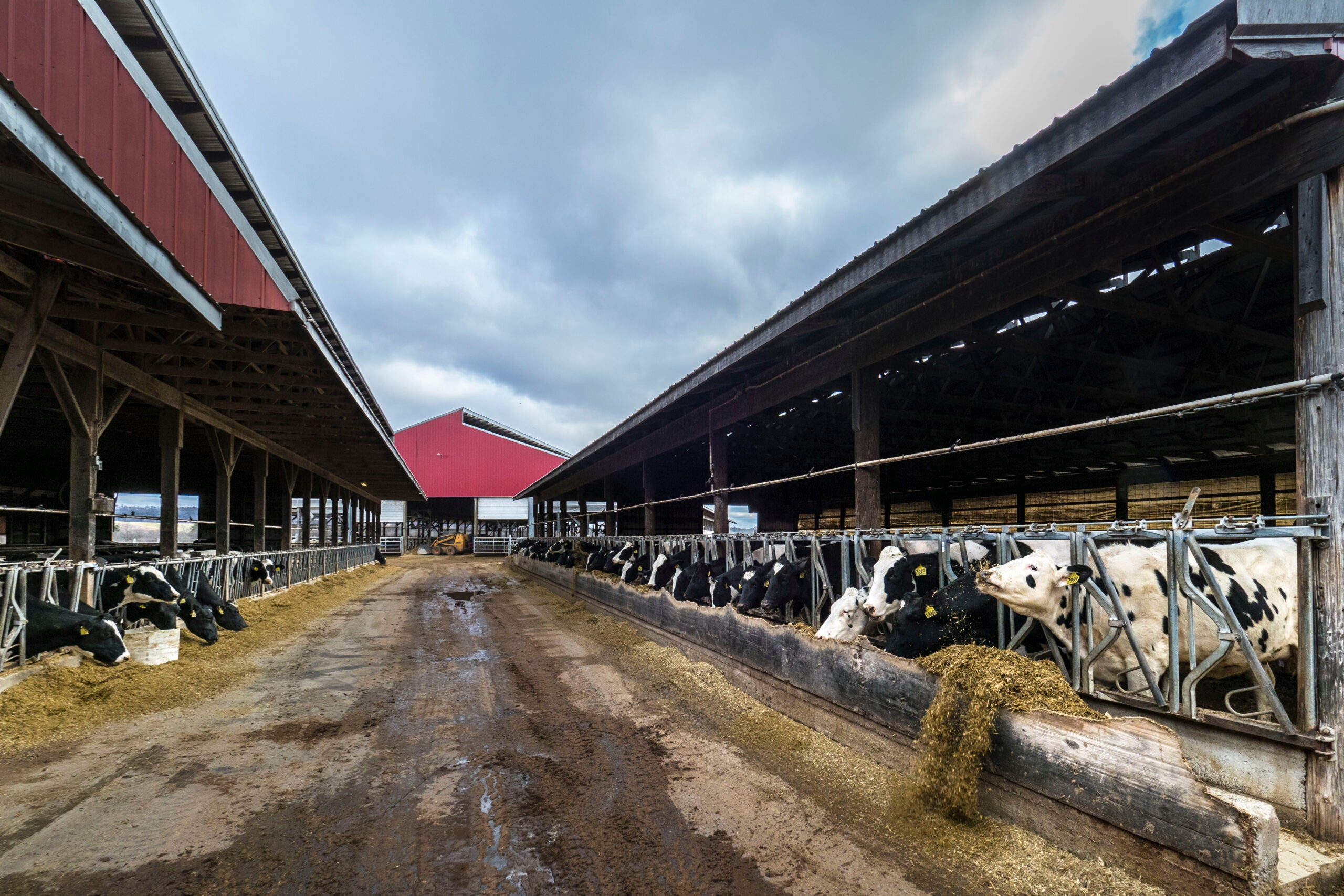
Methane pollution is responsible for about a third of the warming we’re already experiencing through more frequent and severe heatwaves, wildfires and droughts, and livestock are one of the largest sources of human-caused methane emissions. Most livestock methane comes from cow burps and manure management, making dairy and beef production an important climate opportunity.
The good news? Livestock methane solutions are ready to scale up, and they also can help strengthen farmer incomes and food production.
Livestock methane is a major but solvable climate problem.
Reducing methane emissions is the fastest way to slow rates of warming. It can help deliver climate benefits within our lifetimes while reducing the risks of extreme weather that are already affecting communities and farmers around the world.
In our new “EDF Explains” video, I break down the basics of livestock methane, why it matters and what can be done about it.
We already have solutions, but they need to fit different farms.
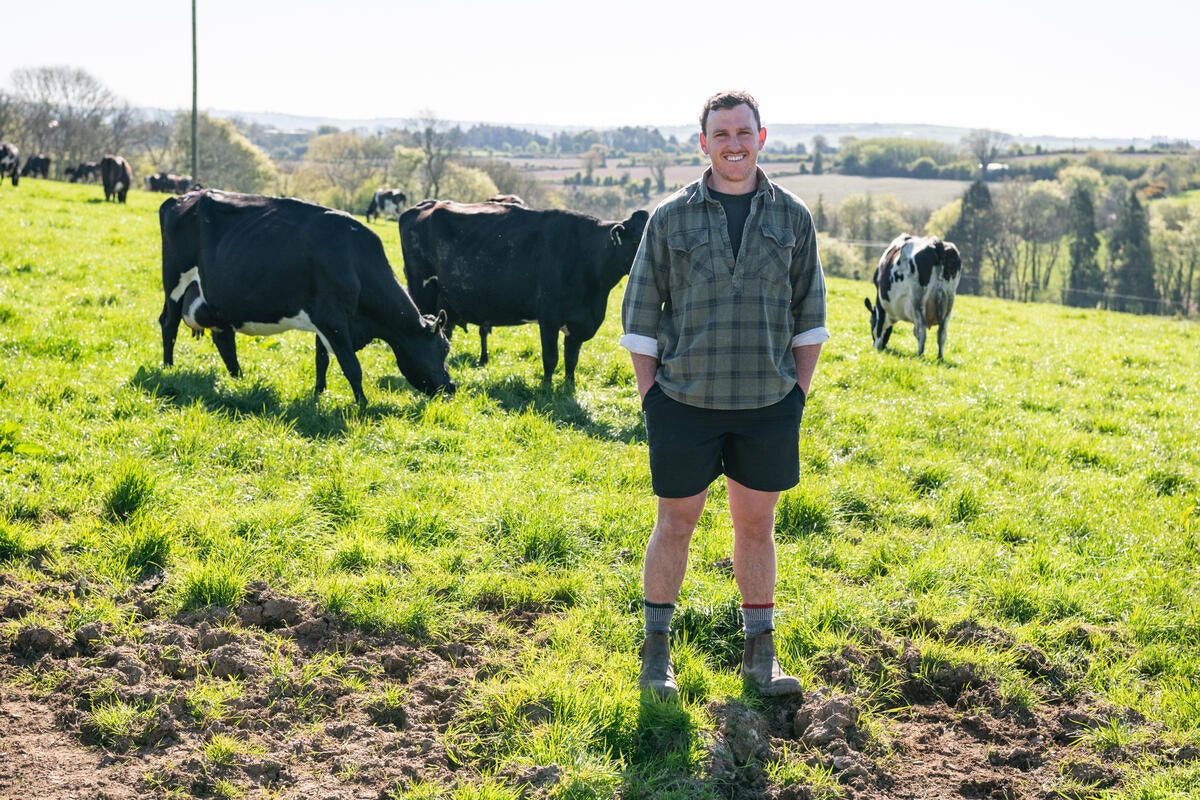
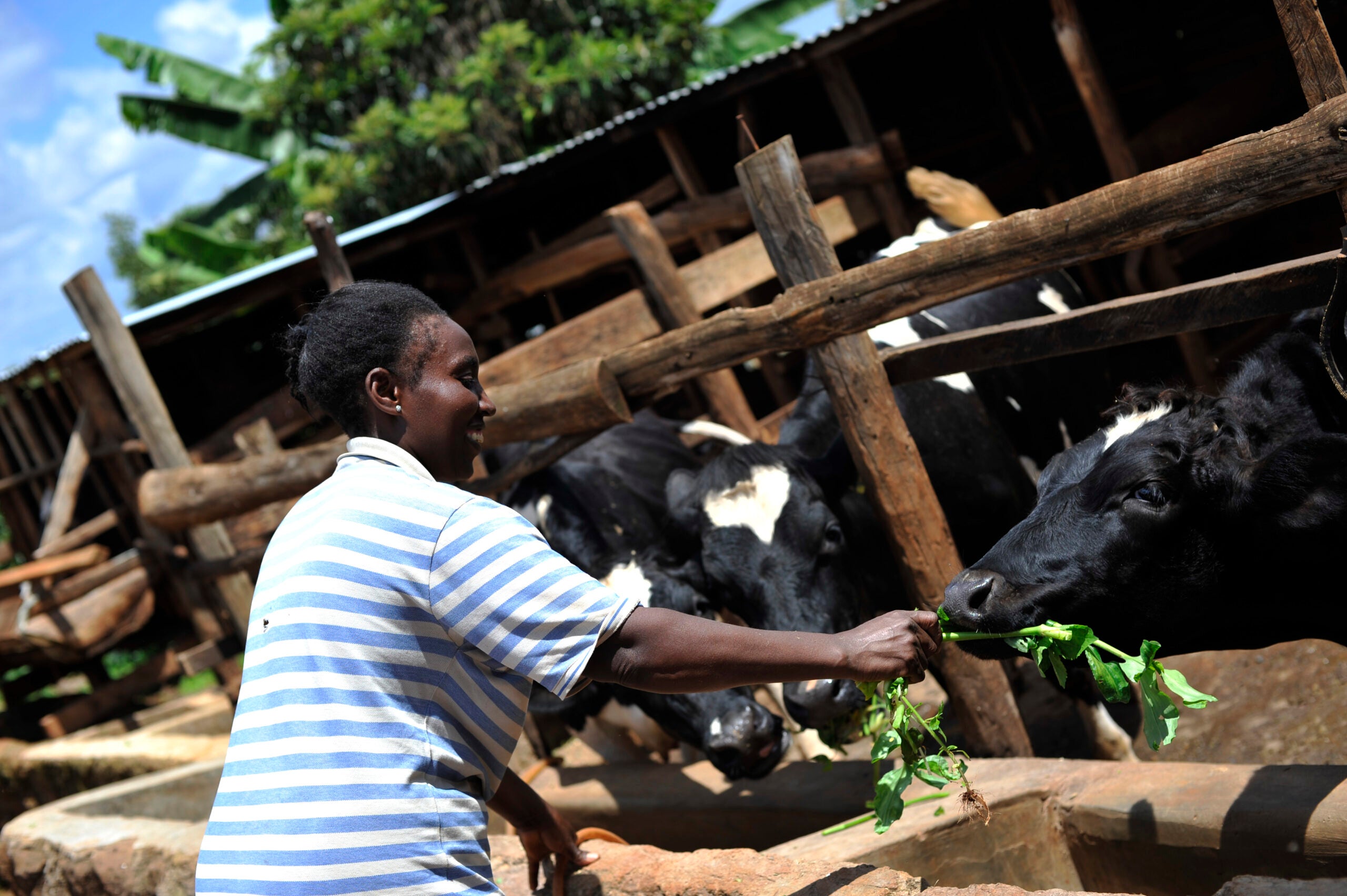
Methane solutions need to be tailored to the farming operation. Dairy and beef operations vary widely in size, geography and resources. A solution that works on a large dairy farm in the U.S. may not be practical for a smallholder farmer elsewhere in another country.
We need a flexible, science-based approach.
Today, a growing number of proven methane-reduction solutions are available. These include feed supplements that reduce methane from cow burps, improved manure management practices, and strategies that support animal health and productivity. These approaches can help lower emissions while supporting farmers’ livelihoods and maintaining access to nutritious food.
Farmers need support to make progress, and technology alone isn’t enough.
Many methane-reducing practices require technical expertise, financing and policy support to help farmers adopt them successfully. Expanding access to these resources will be critical to scaling climate solutions across the livestock sector.
Programs like USDA’s Environmental Quality Incentives Program, which helps producers invest in conservation practices, demonstrate how financial assistance and technical support can reduce barriers to adopting methane-reducing solutions. Expanding access to these kinds of programs would allow more farmers to benefit from proven climate technologies.
Reducing livestock methane won’t solve climate change on its own, but it is one of the fastest and most effective actions available today. By ensuring farmers have support to adopt methane fixes that make sense for their farms, we can help create a more resilient food system while making meaningful progress toward climate goals.