










Measuring soil carbon accurately is essential for ensuring confidence in large-scale efforts to improve soil health, reduce greenhouse gas emissions and support initiatives like carbon credit programs.
But determining how much organic carbon is stored in soil from decomposed plants can be a challenge, leading to a well-known problem: different soil testing labs can give different numbers for the same soil.
In a recent study supported and co-authored by Environmental Defense Fund, researchers conducted a blind comparison of commercial soil laboratories and found that soil carbon values measured for the same soil differed by as much as double across different labs. This result is concerning because the changes in soil carbon that we would expect to see from adopting conservation practices are much smaller than the variation between lab results, which makes it difficult to detect soil carbon changes and attribute them to on-farm practice changes.
The more accurate and precise that we can make soil carbon measurements, the more confidence that we will have in our ability to harness soils as a climate mitigation solution. New research on sample processing offers ways to improve soil carbon measurements.
How to improve measurement methods
Sample processing includes all of the steps that happen between when someone takes a soil sample in the field and when a testing laboratory produces the measurement. These include sample sieving, drying and grinding the sample, and quantifying inorganic carbon from sources like weathered rocks.
Until now these steps hadn’t been carefully compared in terms of how much variation they introduce into final measurements of soil carbon.
Learn more on the Soil Carbon Solutions Center website.
The researchers quantified the effects of common soil processing deviations (e.g., thoroughly removing roots or tiny rocks) to understand their relative impacts. They identified three key improvements in soil preparation and measurement methods that will reduce error, improve ability to detect soil carbon changes, and ultimately help empower practitioners to understand what works and what doesn’t.
1. Remove rocks and roots that bias carbon measurements
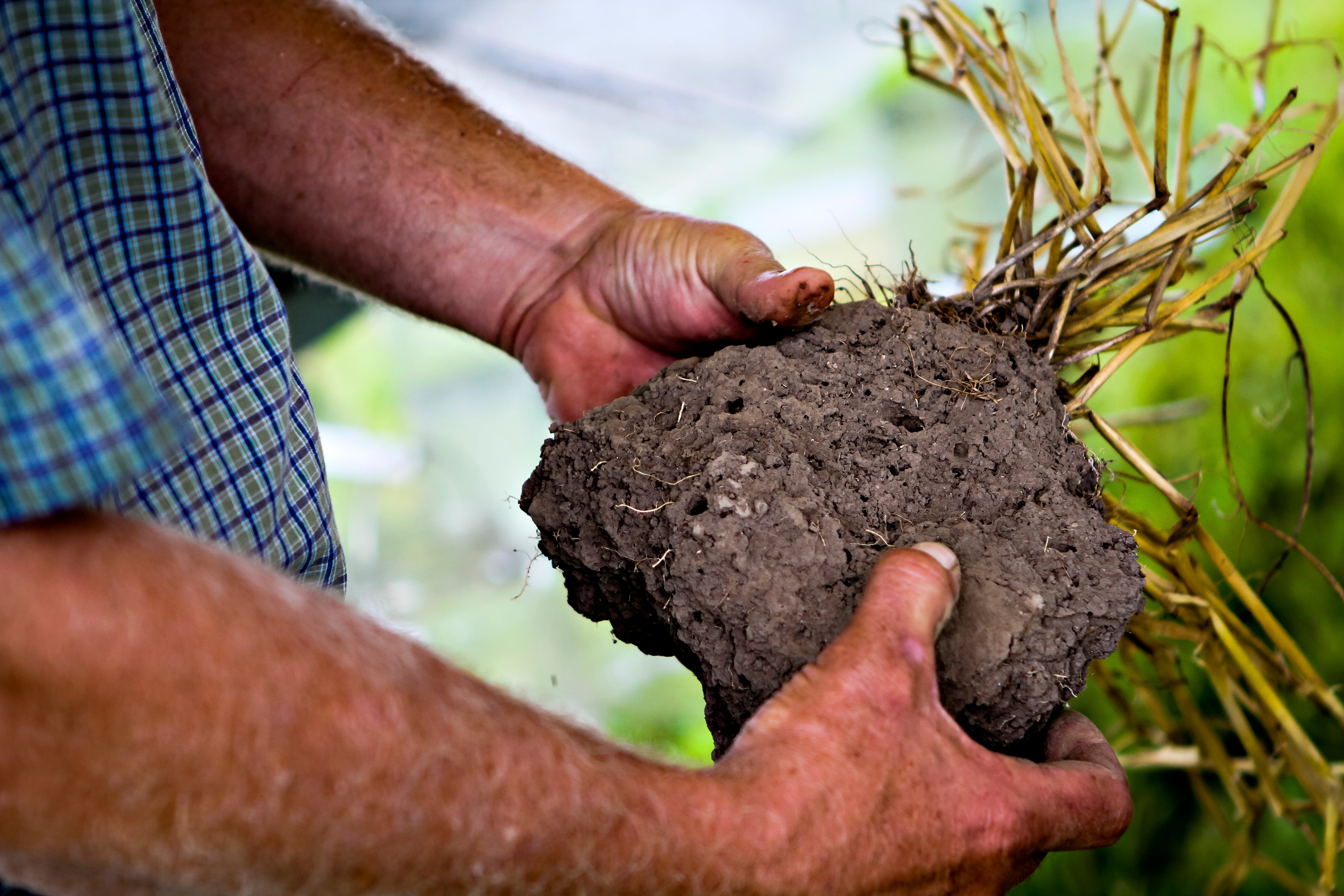
Right now, many labs use automated grinding equipment that can crush roots and even soft rocks, leading them to be measured rather than removed. These grinders should be avoided if possible, and where they are used, the operator should carefully check that plant and rock material are not included in the measurement.
2. Measure inorganic carbon separately using a reliable method
Getting an accurate value for organic carbon typically requires quantifying inorganic carbon and subtracting it from total carbon, which can introduce large errors. Quantifying inorganic carbon reliably and consistently is critical.
3. Use the same lab for projects over time and provide sample duplicates where possible
Until procedures are standardized across labs, projects should use one lab to avoid discrepancies in results caused by different procedures. Further, sending sample duplicates to the lab is a great way to provide insurance against sample mix-ups (which do happen) and other mishaps and improve confidence in results. Duplicates can be sent for all samples or a random subset.
Harnessing soil as a climate solution
Standardizing and improving soil processing and measurement methods will lead to more reliable data that can better inform scientific and policy decisions and increase confidence in carbon sequestration initiatives. This will help to right-size expectations, set priorities, balance different strategies and improve progress tracking. Even when numerical models are the primary tool used to quantify the climate impacts of soil carbon sequestration, improving direct measurement methods is still worthwhile because these measurements are used to build and validate the models.
The good news is that we know how to increase the consistency and reliability of soil carbon measurements with the above improvements to soil processing. Through collaboration among scientists, policymakers and market stakeholders, we can put that knowledge to work to improve measurement that can help inform more effective climate progress and sustainable agricultural land management.