






New study: Weather events — made worse by climate change — are pushing toxic air pollution higher
Posted: in
Academic, Community Organizer, Concerned Citizen, Energy, Environmental Justice, Government Official/Policymaker, Health, Homepage, Monitoring, Science, Texas, USA
Written By

Share
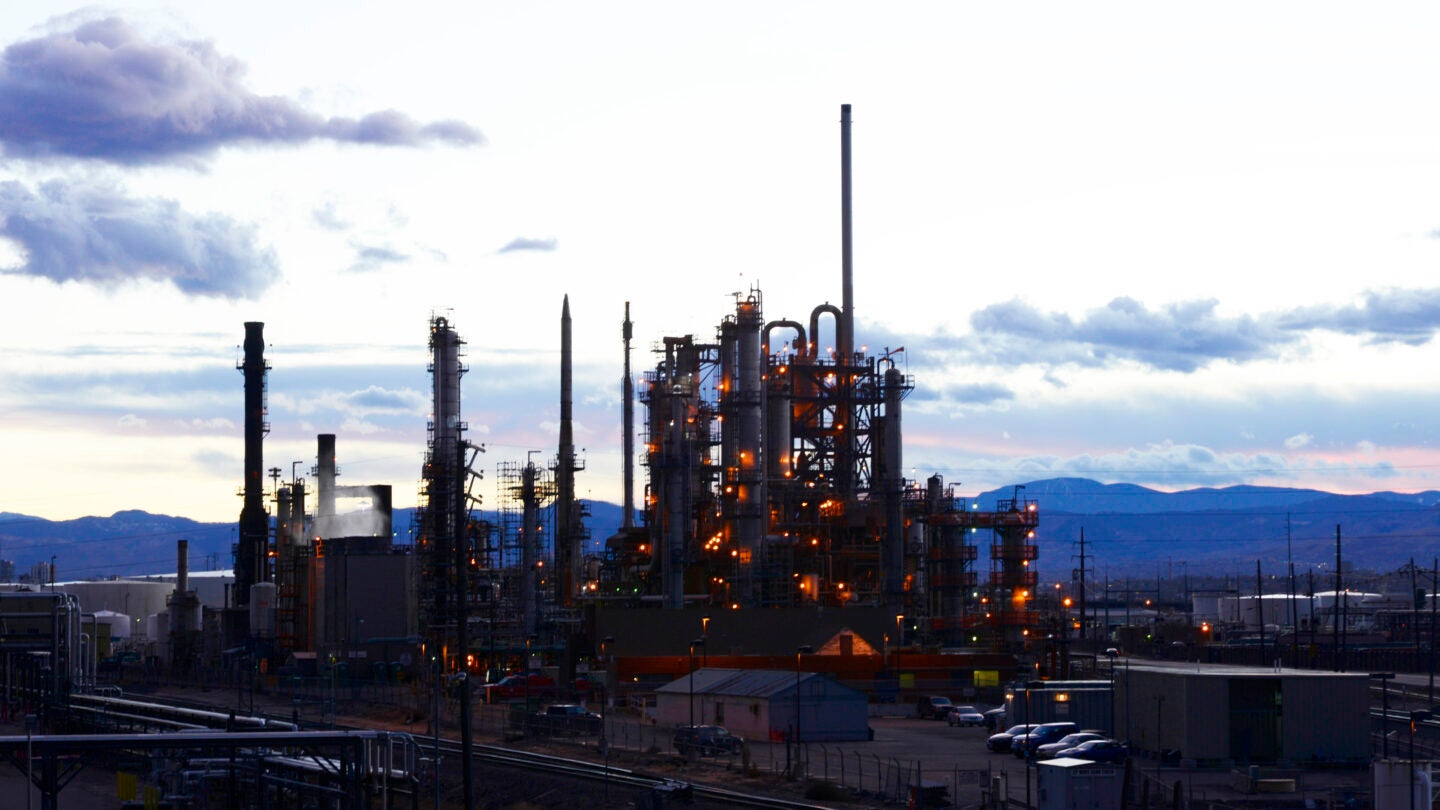
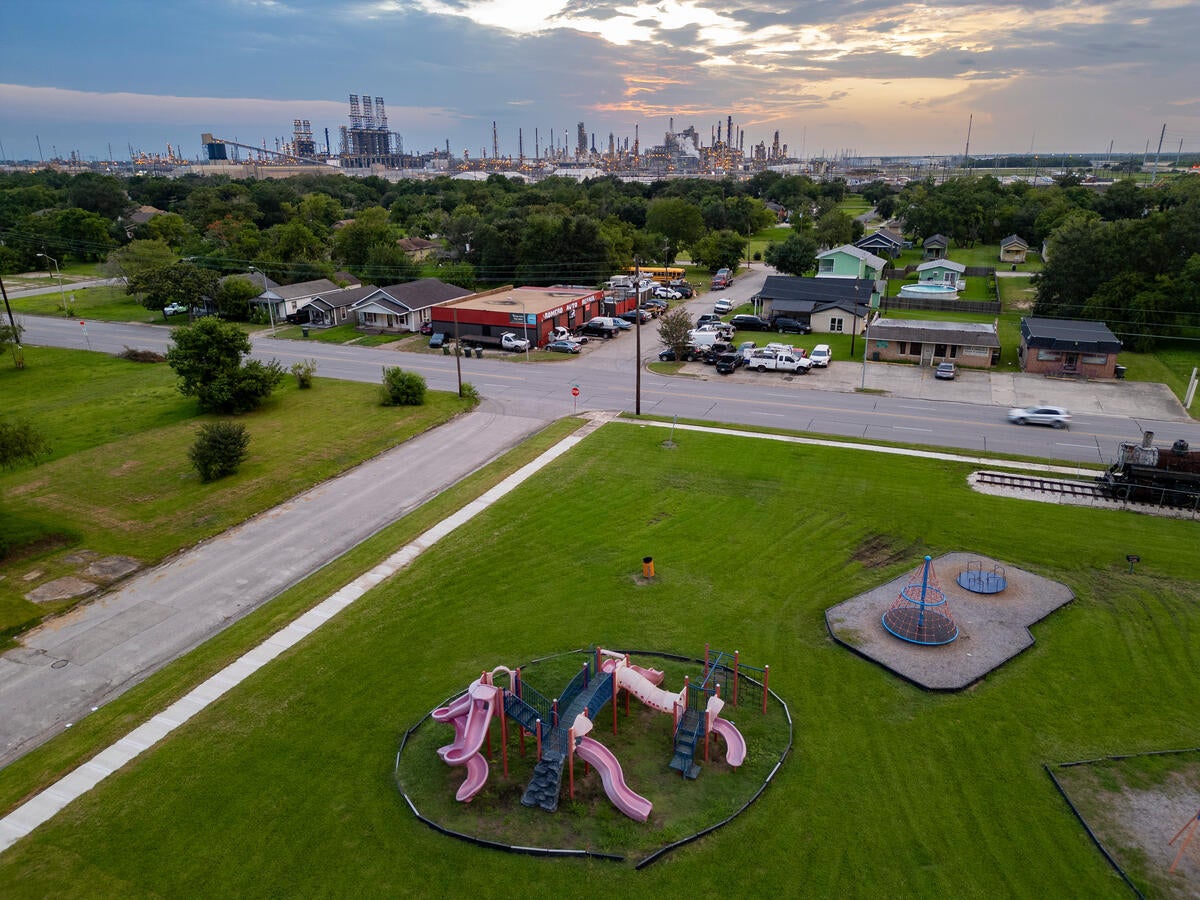
What’s new: A new EDF study has found that weather events — made more frequent and extreme by climate change — are increasing already unacceptably high toxic air pollution from chemical plants and other oil and gas operations. In the study, we analyzed 21 years of “unauthorized air pollution”— i.e. pollution released outside normal operations — from industrial facilities in Texas. It is the first to comprehensively analyze the role that extreme weather plays in increased pollution from industrial facilities in that state.
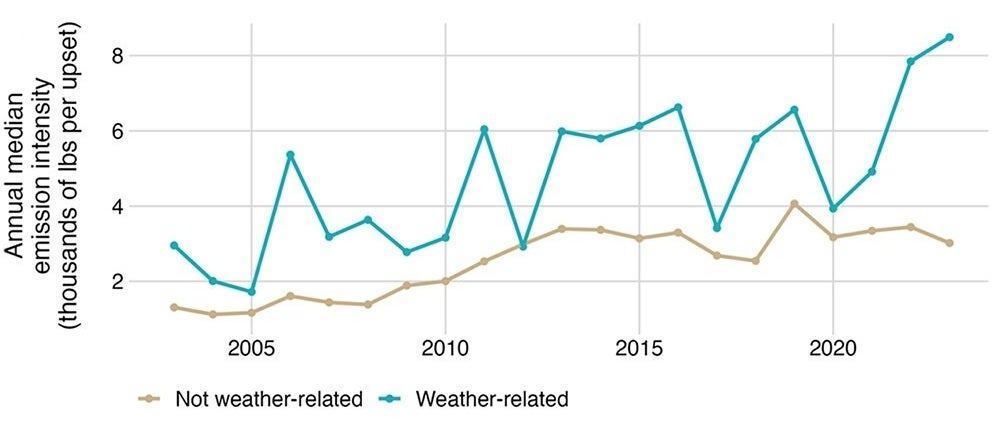
What we found: Our study found that a typical weather-related upset event — such as when a plant malfunctions, leaks or needs to restart — resulted in 1.8 times more emissions than a typical non-weather-related upset. We also found that pollution released during weather-related upsets rose over the 21-year period.
Why it matters: Climate change is fueling more frequent and destructive extreme weather that disrupts oil and gas operations and can cause facilities to release more health-harming pollution, including cancer-causing chemicals like benzene, formaldehyde and 1,3-butadiene. Evidence shows communities near polluting facilities in this region already experience higher cancer rates on average than other U.S. communities.
Oil and gas companies expose Americans to unacceptable levels of air pollution even when their facilities operate normally. But weather-linked disruptions drive up emissions even further, making people who live near them more likely to get sick. This is on top of the growing physical devastation that more intense weather events are bringing to communities. Without planning and prevention, weather-triggered pollution is likely to get significantly worse.
What can be done: There is much that companies can do to drastically cut their upset-induced pollution. Weatherizing their equipment using readily available technology like pipeline insulation is a great place to start. But companies rarely make these investments on their own, even when the costs are low. That’s why we need regulators like the Environmental Protection Agency (EPA) to set rules that incentivize them. For example, in 2024 the EPA updated a key protection known as the HON Rule, closing a loophole that let chemical plants pollute without penalty during malfunctions or restarts. This update also required air quality monitoring that would have made it easier to track upset emissions — a historically challenging undertaking.
This important progress is now under attack by the Trump administration. Just last year, Trump’s EPA moved to roll back the HON rule – in addition to unlawfully handing 50 chemical plants nationwide a free pass to pollute. As our study shows, these decisions will almost certainly expose more Americans to cancer-causing pollution as climate change brings more frequent and extreme weather events across the globe.
Weather-related pollution is both a cause and product of climate change. Eliminating this pollution requires moving away from fossil fuels. Solar and wind energy can help us do just that, both preventing toxic emissions from the oil and gas industry and helping us adapt to a changing climate by meeting demand during extreme weather events.
See all the facilities that have been offered or granted a pass to pollute by the Trump Administration at our Trump EPA Polluter Pass Map.