








EDF and Brazilian leaders lay the groundwork for a national air quality plan
Posted: in
Academic
Written By

Share
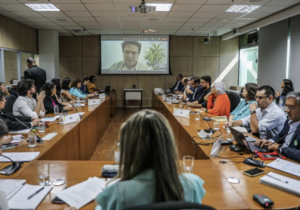
What’s new: This summer, Global Clean Air’s Senior Policy Director, Sergio Sanchez, and Program Manager, Melanie Scruggs, with consultant Armando Retama, visited Brazil to help leaders in the Ministry of Environment and Climate Change start laying the groundwork for a national strategy on air quality. Such a strategy would deliver significant population health benefits and strengthen Brazil’s existing climate action plan, as well as serve as a model for other countries.
What we know: It is not currently possible to create a comprehensive understanding of air quality in Brazil, due to uneven monitoring from state to state. The new Ministry of Environment and Climate Change is dedicated to solving this problem. Broadly speaking, the main sources of air pollution in Brazil are understood to include transportation and local industries. Other sources vary by region but can include dust storms during the dry season, agricultural burning and wildfires.
Next steps: Brazil’s leaders understand that they can’t combat air pollution until they know where it’s coming from. That’s why a critical next step will likely be to collect high-quality air quality data nationally. Making this happen will include such actions as:
- Creating long-term, sustainable funding mechanisms for air quality management (AQM).
- Updating current air quality monitoring guidelines.
- Deploying and upgrading monitoring networks across the country.
- Strengthening collaborations between all levels of government as well as global partners.
Opportunities: With the help of a national strategy and better air quality data, Brazil has the chance to make big strides toward cleaner air. Other actions that national leaders are considering include:
- Adding air quality to its plans for sustainable development and for health and transportation, which are currently being updated.
- Launching a national campaign to generate long-term public support for improving air quality.
- Deploying federal grants to help states, cities and civil society invest in better monitoring.
- Securing funding from global donors.
- Replicating aspects of São Paulo’s successful AQM program in other regions.
Moving forward: Brazil and EDF aim to co-design a National Air Quality Strategy by March of 2024, incorporating novel monitoring and policy approaches used in EDF’s past work around the world. The national strategy will include guidelines for AQM and monitoring plans for priority “air basins,” including the metropolitan region in the Federal District of Brasilia.