Global Clean Air Blog: Houston students thriving during lockdown by learning about air quality

By Shannon Thomas, Project Manager, EDF Environmental Youth Council Program
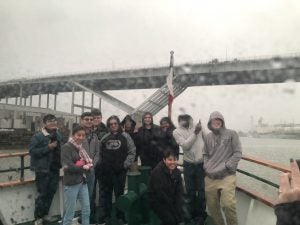
Ask parents and educators about the spring 2020 semester, and they’ll likely tell you similar versions of the same story: students were just hitting their strides with various projects and the end of the academic year was in sight. Then it all came to a screeching halt.
The same was true for the students I work with in EDF’s Environmental Youth Council, an educational program for high-school-age youth from communities in Houston that are most affected by high levels of air pollution.
Pasadena Memorial High School teens had learned about the harmful impacts of engine idling as a part of the program. So when a few of our students noticed their classmates leaving their cars running while watching videos on their phones or doing their makeup in the mornings, they were rightfully concerned. They prepared a proposal, went to their principal, and convinced him to adopt a no idling policy in the student parking lot. The students purchased signage and began developing a marketing campaign to support the new policy just as everything shut down.
The signs went into a closet, and I wondered what would become of our program and its 30 students. One of the hallmarks of this program, which started in 2019, has been the creative ways we engage our students. What would happen without the trips to Washington, DC, the hands-on experiments, bus rides to the top of a 200-foot pile of garbage and engaging guest speakers?
Light has a funny way of pushing through darkness, and teenagers can still surprise me.
Growing while meeting virtually
Despite going fully virtual this academic year, we didn’t just keep our Council going; we nearly doubled its size, to 55 students. Teens from Pasadena Memorial, Pasadena High School, and Raul Yzaguirre School for Success in the East End meet online to learn not only about environmental health and science, but also civic leadership, thanks to grant funding from the Gulf Research Program of the National Academy of Sciences, Engineering and Medicine.
By going fully virtual, we’ve actually been able to engage more students. And while the teaching strategies have changed, we’re still able to educate them about the science of air quality and the physical impacts of pollution on the body.
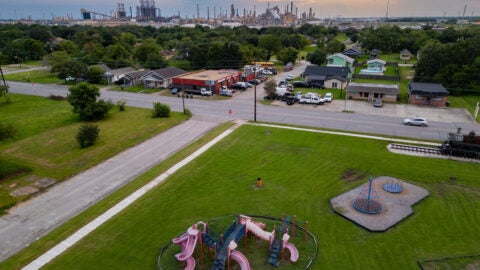
We’re also hopefully inspiring them to become environmental leaders in their communities, which, due to their proximity to oil and gas refineries, chemical facilities and other industrial sites, are disproportionately impacted by pollution.
Developing new environmental leaders
One graduate of the program who recently moved away told me she didn’t realize that the odor she smelled every day wasn’t normal. By teaching these students about what’s going on around them and the levers of power that can change it, I hope they’ll develop into leaders who will fight for cleaner air in their communities.
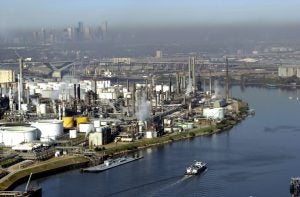
So while we haven’t been able to do our boat tour down the Houston Ship Channel this year and won’t be able to visit local Congressional representatives at the U.S. Capitol, I’m excited that such an engaged group of students will emerge from this pandemic with a deeper understanding of the air they breathe and the change they can make.
Read other Global Clean Air blogs here.