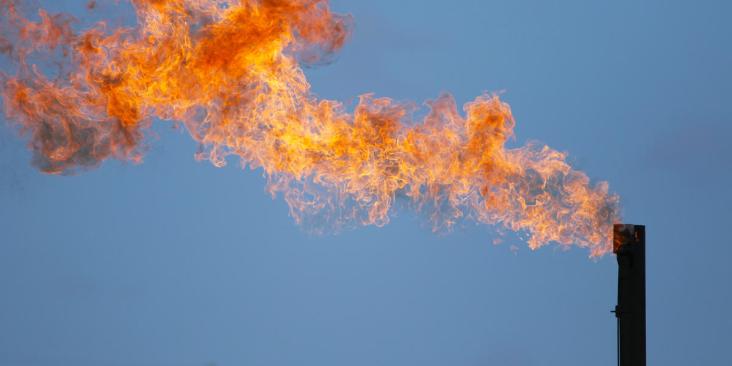
Following energy reform in 2013, oil and gas industry expansion in Mexico is moving full steam ahead. The first round of bidding for Mexico-owned deep-water oil leases wrapped last December, ushering in a slew of private companies like ExxonMobil and Chevron for the first time since the 1930s. Additional leases for land that will become hotbeds for oil and gas activity on and offshore are planned later this year.
All of this is happening while Mexico is demonstrating remarkable climate leadership, and while countries and energy companies around the world are beginning to act on controlling methane, a harmful pollutant that routinely escapes from the global oil and gas industry. In other words, the Mexico energy boom couldn’t come at more critical time. Mexico ranks as the world’s fifth largest oil and gas methane emitter. Absent strong rules for future development, these emissions could steadily rise as more oil and gas production comes on line as a result of the energy reform.
Read More

The late California historian Kevin Starr once wrote, “California had long since become one of the prisms through which the American people, for better and for worse, could glimpse their future.” These words have never felt truer. Just ask
California’s three major utilities – Pacific Gas & Electric (PG&E), Southern California Edison (SCE), and San Diego Gas & Electric (SDG&E) – have proposed plans to move Californians to electricity prices that vary with the time of day. 
On November 13, 2016, the nation’s state and federal utility regulators – also known as the National Association of Utility Regulators Association (NARUC) – will meet for their 128th annual meeting in La Quinta, CA and host over 1000 participants. As a former NARUC president and seasoned observer of these meetings, I study the issues that rise to the top for the limited amount of meeting time available. The topics making the cut offer a snapshot of what is trending nationally in the various regulated sectors.