Climate change solutions
We deliver game-changing environmental solutions that have a real impact for people around the globe.
A new analysis of MethaneSAT data provides the clearest evidence yet that the United States cannot solve its oil and gas methane challenge without directly addressing emissions from low-producing well sites, also known as marginal or stripper wells. Yet legislation now before Congress would move in the opposite direction by exempting most of these wells from federal safeguards designed to prevent methane waste and air pollution, and there is mounting evidence that the U.S. EPA plans to weaken standards for this class of wells.
Available in preprint, the new analysis represents the largest measurement-based assessment of methane emissions from marginal wells in the United States. EDF researchers analyzed MethaneSAT data from 11 U.S. oil and gas basins that collectively account for more than 80% of national onshore production. Utilizing the high precision, high spatial resolution satellite data, they incorporated measurements of methane emissions from 280,000 well sites, including 240,000 marginal well sites into the analysis.
The findings are striking. Low-producing well sites (defined as those producing 15 barrels of oil equivalent per day or less) account for 5% of U.S. oil and gas production but roughly 60% of production-related methane emissions. The intensity of their methane emissions is 16% of the marketed gas they produce, compared with just 0.6% for higher-producing wells.
In other words, these wells are responsible for a small fraction of the nation’s oil and gas production, but they are massive polluters.
The study also illustrates why policy must focus on low-producing well sites in addition to large emission events known as super emitters. Eighty-eight percent of observed well-site emissions came from areas emitting less than 100 kilograms of methane per hour per well-site, below the detection limit of current satellites. In other words, most of the methane pollution from U.S oil and gas production comes from hundreds of thousands of smaller sources whose cumulative emissions are enormous.
These findings dramatically expand the evidence behind a problem scientists have documented for years. Recent research in Appalachia, for example, found that low-producing conventional wells had methane loss rates roughly 200 times higher than higher-producing unconventional wells — 18.3% compared with 0.09% — and accounted for 63.5% of the region’s oil and gas methane emissions.
That evidence has significant implications for S. 4619 and H.R. 8990, the so-called Protect Domestic Oil and Gas Small Business Act.
The legislation would exempt 550,000 oil and gas well sites — about 84% of total well sites in the United States — from federal Clean Air Act methane protections. Those sites produce 5% of the nation’s oil and gas but are responsible for about 40% of the industry’s methane waste and pollution. The exemption would remove safeguards including leak detection and repair requirements, equipment standards, measures addressing venting and flaring, reporting and even audio/visual monitoring requirements.
Despite the legislation’s proclaimed focus on small businesses, ownership data show that most low-producing wells are controlled by large companies. Just 72 companies with more than 1,000 operating well sites control 47% of the nation’s low-producing well sites. More than three-quarters of those well sites are owned by companies that operate more than 100 sites. Companies with fewer than 10 sites control just 3%.
Meanwhile, major energy-producing states continue to strengthen methane oversight. New Mexico, the nation’s second-largest oil producing state, recently proposed stronger methane rules, which include equipment upgrades and an enhanced super-emitter response program. Pennsylvania, the nation’s second-largest gas producing state, has begun developing its first comprehensive statewide methane standards for existing sources. Both states understand that methane emissions are a threat to local communities and the long-term health of the energy industry. Congress and the EPA should follow their lead, not undercut it.
The new national data make the stakes especially clear. Low-producing wells are a central player in America’s methane problem. They are precisely the category of production sites we should be improving, not exempting.
Medium- and heavy-duty electric vehicles are hitting the road in 2026, and we’ve collected last month’s most exciting news. In 2025, EDF delivered monthly deployment updates on the biggest zero-emission transportation stories. By the end of 2025, it was clear that momentum was sustained throughout a challenging year. This year will undoubtably see more big announcements, and we’ll be here to showcase the biggest orders and deployments of zero-emission trucks happening around the country.
August announcements included more news for electric yard truck deployments after a record summer, and a first of its kind announcement for heavy-duty freight.
Einride partners with Tesla for mass Tesla Semi deployment
Einride announced plans to deploy 500 Tesla Semi trucks across North America, with notable fleets like Amazon, across freight corridors in California, Texas, New Jersey, Illinois and Georgia. The deployment will roll out in phases over 24 months starting September 2026 and will triple Einride’s deployed electric-truck fleet. The Tesla Semi entered mass production earlier this year, and Einride cites the deployment as an example of bringing electric freight to scale.
Republic Services unveils fully electric residential recycling and waste collection fleet in Florida
Republic Services and the city of Coconut Creek, Florida, have launched the state’s first fully electric residential waste and recycling collection fleet, featuring six McNeilus Volterra electric trucks. The initiative delivers quieter collection operations in Coconut Creek and supports the city’s sustainability goals. Republic Services says the launch demonstrates how collaboration between municipalities and industry can accelerate the adoption of cleaner, safer and more sustainable waste-management solutions, building on its position as the operator of North America’s largest electric collection fleet.
APM Terminals Elizabeth orders 96 electric terminal trucks from Orange EV
APM Terminals Elizabeth has ordered 96 electric terminal trucks from Orange EV, marking one of the largest port electrification commitments to date. The order follows APM Terminals Los Angeles’ expansion from a 20-truck pilot to 60 Orange EV trucks and comes as port operators increasingly evaluate electrification based on lifetime value, uptime, operating performance and service support. In June, electric terminal trucks observed record order volume, underscoring growing momentum for electric yard trucks at major U.S. ports.
Now is a critical time for fleets to invest in medium- and heavy-duty electric trucks. These vehicles improve public health and help combat the climate crisis by reducing greenhouse gas emissions and air pollution. Unlike traditional diesel-powered trucks, electric trucks produce no tailpipe emissions, which significantly cuts down on health-harming pollution. Adoption represents a key step toward a more sustainable and resilient transportation industry.
Check back here next month to see a collection of the most exciting zero-emission vehicle announcements from September. In the meantime, check out EDF’s Electric Fleet Deployment & Commitment List to track announcements as they happen in real time, and view all August announcements.
Check out last month’s announcements here.
Texas is rapidly becoming one of the country’s biggest data center hubs. The state already has 335 data centers, with at least 248 more in the works. At its current pace of growth, Texas could overtake Virginia as the world’s largest data center market by 2030.
That growth brings investment and economic opportunity. It also raises important questions about the electricity, water and other resources these facilities require and their potential impacts on surrounding communities. For instance, rapid growth can drive costly grid upgrades, and without the right safeguards, Texas families and businesses could end up footing part of the bill. Texans need better information to understand such impacts.
The Public Utility Commission of Texas is considering new disclosure requirements that could help. As part of its large load interconnection rulemaking, the commission would require large-load customers such as data centers to report information about water use, air impacts and environmental permits to their utility. But utilities collecting information alone is not enough. The proposed disclosures will do little to improve accountability or community awareness if they are submitted only to utilities and never shared with the public.
The PUCT should ensure that information about water use, air impacts, permitting and other key project characteristics is transparently reported and readily accessible to regulators, planners, local governments and affected communities. Otherwise, the disclosure requirements risk becoming a check-the-box exercise rather than a meaningful tool for informed decision-making as growth accelerates, especially near communities already experiencing disproportionate air quality and water-related burdens.
Texas needs a clearer picture of data centers’ water demands
Data centers can require substantial amounts of water, both for cooling and to generate the electricity for computational loads, especially if that electricity is generated from coal or natural gas. In Texas, that water demand could grow quickly. Houston Advanced Research Center estimates Texas data centers consumed about 25 billion gallons of water in 2025. By 2030, that demand could climb to as much as 161 billion gallons annually, or 2.7% of all water used in Texas – roughly the amount used by 1.3 million average U.S. households.
But even the state does not yet have a complete picture. While researchers have estimated data center water demand, Texas does not yet systematically estimate or track this usage. The state has historically lacked specific data on how much water data centers use, making it difficult to fully account for their demands in state water planning. The Texas Water Development Board has begun taking steps to improve tracking and reporting, but significant gaps remain.
These concerns have also drawn the attention of Governor Abbott, who has called for regulators to scrutinize the water and energy demands of proposed data centers seeking to connect to the grid before those projects move forward. As data center growth accelerates, greater transparency and better data will be essential to managing Texas’ water resources responsibly and protecting communities already facing water supply challenges.
That information gap makes the PUCT’s new disclosure requirements particularly important. The latest proposal would require large-load customers to report anticipated water use, water source, water supplier and cooling technology to their utility – but not to the state, so it may not become publicly available. That would be progress, but Texas should go further.
EDF recommends requiring information that provides a fuller picture of a facility’s water footprint. In addition to disclosing anticipated water use, data centers should report their water replenishment volumes, or other measures taken to mitigate water impacts, for the watersheds in which data centers are operating. This would help stakeholders better understand facility-specific water risk, manage long-term water availability and reduce exposure to escalating community and regulatory risk in water-constrained areas.
Data centers should also disclose anticipated water use and discharges and locate projects where adequate water supplies can support them without straining local resources, particularly in communities that depend on groundwater and water-scarce areas like Texas and much of the western U.S. That information also needs to reach the people who can use it. Water-use information matters to local governments, water planners and communities that must make decisions about increasingly constrained resources. Today, communities have limited access to reliable information about the water impacts associated with major data center development.
Collecting better information is only half the job. If that information remains with utilities and never reaches regulators, planners, local governments and affected communities, it can hardly be called disclosure. Under the PUCT proposal, data centers and other large-load customers would report information to their utilities, but the rule does not clearly establish how utilities must use that information in their planning or whether relevant information will become publicly available.
Air impacts deserve greater transparency too
The proposed rule would also require large-load customers to report the status of air permits but does not require disclosure of emissions levels or criteria air pollutants that harm public health. Data centers do not just draw electricity from the grid. Some rely on dozens or even hundreds of diesel generators or other on-site generation sources for primary or backup power. The scale of that on-site generation is already significant and will grow in the coming years.
Since 2024, at least 38 Texas data centers have received minor permits to operate on-site power sources, resulting in approval for more than 2,100 backup diesel generators statewide, according to a Floodlight analysis. Together, those generators are permitted to emit nearly 2,500 tons of smog-forming nitrogen oxide (NOx) pollution each year, more than triple the amount from Texas’ newest coal-fired power plant. NOx pollution can exacerbate asthma and bronchitis and increase the risk of heart disease.
Consider the Stargate data center campus in Abilene. Its developers initially received minor permits for 10 gas turbines and 62 diesel generators. Those turbines and generators are permitted to emit more than 1,000 tons of harmful air pollutants and 1.6 million tons of greenhouse gases annually, roughly equivalent to the annual emissions of 373,000 gasoline-powered passenger vehicles. And the issue extends well beyond backup generation. As power demand from data centers grows, developers are increasingly proposing dedicated on-site, pollution-emitting generation projects to supply electricity directly to these facilities.
For example, Amazon has proposed a Texas data center that would rely on a massive new on-site natural gas power plant permitted to emit up to 33 million tons of greenhouse gases annually, which could make it one of the nation’s largest single sources of air pollution. Rather than locking in new sources of pollution, data centers should prioritize clean energy and other lower-emitting resources to meet their growing electricity needs.
Texas needs greater data center transparency
Regulators, planners and affected communities need meaningful information about data centers’ energy and emissions, including the sources and amounts of electricity and fuel used for primary and backup power, as well as the air pollution associated with their expected energy demand. Disclosure requirements should go beyond simply identifying whether backup generators are present. EDF recommends requiring meaningful information about on-site generation as well as emissions and operating characteristics that could affect surrounding communities and landowners.
New electricity demands can have significant implications for grid planning, transmission investment and ultimately the costs borne by Texas ratepayers. Texas is at the beginning of a profound shift in how and where the state uses electricity, water and other resources. The decisions regulators make now will shape communities and infrastructure for years to come.
More disclosure is a good start. Now the PUCT should ensure Texans have a clear picture of how accelerating data center development affects air quality, water, local communities and energy costs.

Canada has a near-term chance to slow climate pollution by cutting methane from oil and gas operations. But, that opportunity depends on whether provincial rules will be held to the same standard as Ottawa’s.
As of today, there are over 600 active forest fires spreading across Canada, destroying millions of hectares of forest and sending billowing smoke into communities. From Newfoundland to Ontario to British Columbia, this year’s destruction has been gargantuan, totaling an area the size of Switzerland.

Climate change, which causes lengthy droughts, dried vegetation and extreme heat events, has made it easier for forest fires to spark and spread. The cheapest and easiest way for Canada to cut back on its climate pollution? Tackling unnecessary and wasteful methane emissions from the oil and gas sector.
Methane is the main chemical found in natural gas. It’s also a super-pollutant that is more than 84 times more powerful than carbon dioxide over the near term. Scientists estimate methane is responsible for 30% of global warming to date. Unlike carbon dioxide, methane breaks down after about a decade in the atmosphere. Cutting these emissions can slow warming faster than many other climate actions.
The majority of Canada’s methane comes from the oil and gas sector in Alberta, Saskatchewan and British Columbia – the country’s largest onshore oil and gas producing provinces. These emissions, which occur both intentionally and accidentally, can be reduced at relatively minimal cost. Capturing methane means capturing natural gas, a valuable economic commodity. A study commissioned by EDF showed that a 75% reduction in these emissions, generated through federal regulations, could conserve enough energy to power nearly 800,000 homes in a year.
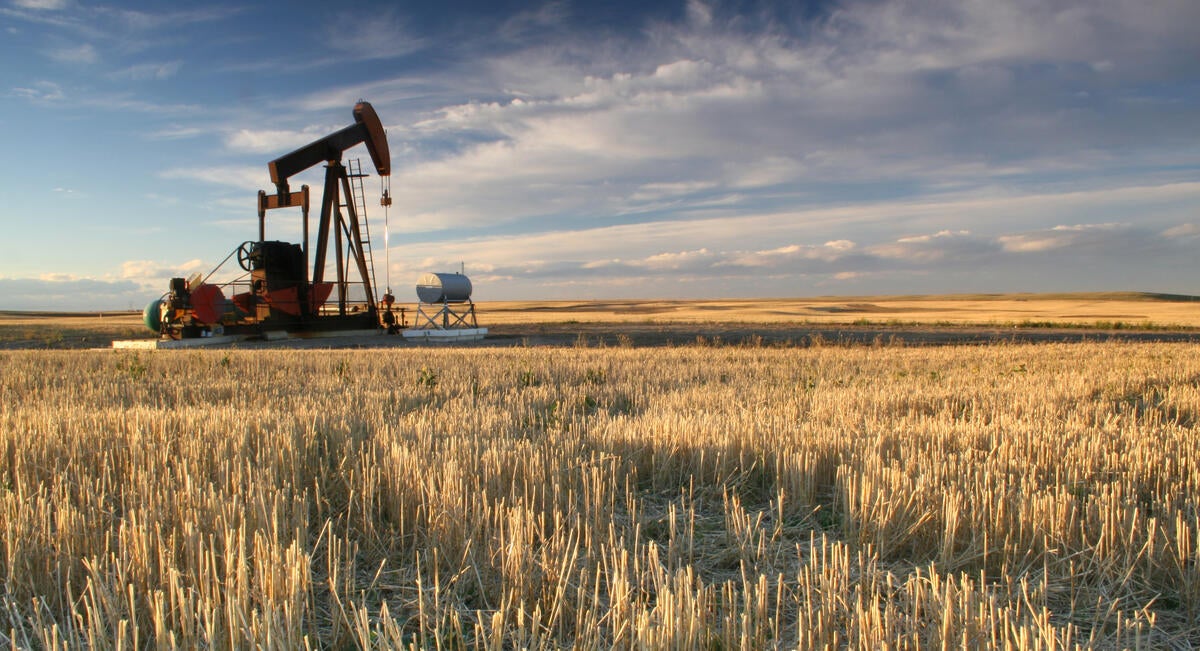
In December 2025, the federal government finalized regulations estimated to reduce methane emissions by 72%. Doing so would equate to taking approximately 70 million gas-powered cars off the streets for one year.
However, once new rules are passed at the federal level, provinces have a chance to create their own standards to achieve comparable reductions but designed to suit their unique conditions. British Columbia has already passed regulations targeting a 75% reduction by 2030. In contrast, Alberta has proposed rules that are estimated to be roughly 80% less effective than the federal standard.
The federal government has the power to approve Alberta’s rules only if they are deemed to deliver the same outcome as Ottawa’s recently passed standards. The Carney government now faces a clear choice. Give Alberta special treatment and risk business as usual for climate, or require the province to develop equally robust rules and help Canada pull the emergency brake on methane pollution.

By: Adam Peltz and Meg Coleman
Pennsylvania has been drilling oil and gas wells for more than 160 years. But generations of development have left the Commonwealth with 30,000 documented and potentially as many as 300,000 undocumented orphan wells.
New research sponsored by Environmental Defense Fund and led by Jade Boutot of McGill University shows how emerging technology could help change that.
Multi-technology Detection of Undocumented Orphaned Oil and Gas Wells: A Large-Scale Drone and Ground-Based Survey in Pennsylvania used drones, magnetic sensors, methane detection technology and boots-on-the-ground field investigations to search for undocumented oil and gas wells. The results demonstrate how pairing remote-sensing technologies with targeted field investigations can help find wells that have effectively disappeared from the historical record.
The findings point toward a potentially powerful new approach for addressing one of Pennsylvania’s oldest environmental challenges: before we can assess and plug the wells left behind by generations of oil and gas development, we have to find them. In the meantime, these old, leaky wells can emit oil, gas and other toxic chemicals into the groundwater, soil and air.
Pennsylvania’s long history as an oil and gas producing state means that many wells were drilled decades before modern recordkeeping, permitting and location technologies existed.
Finding undocumented wells there can be challenging, as they can require the piecing together of old records, maps and other evidence, coupled with the verification of their existence in the field.
That can be especially difficult in the state’s rugged and heavily forested landscape. Old wells may be hidden by vegetation, located far from roads or trails, or have little visible infrastructure remaining above ground.
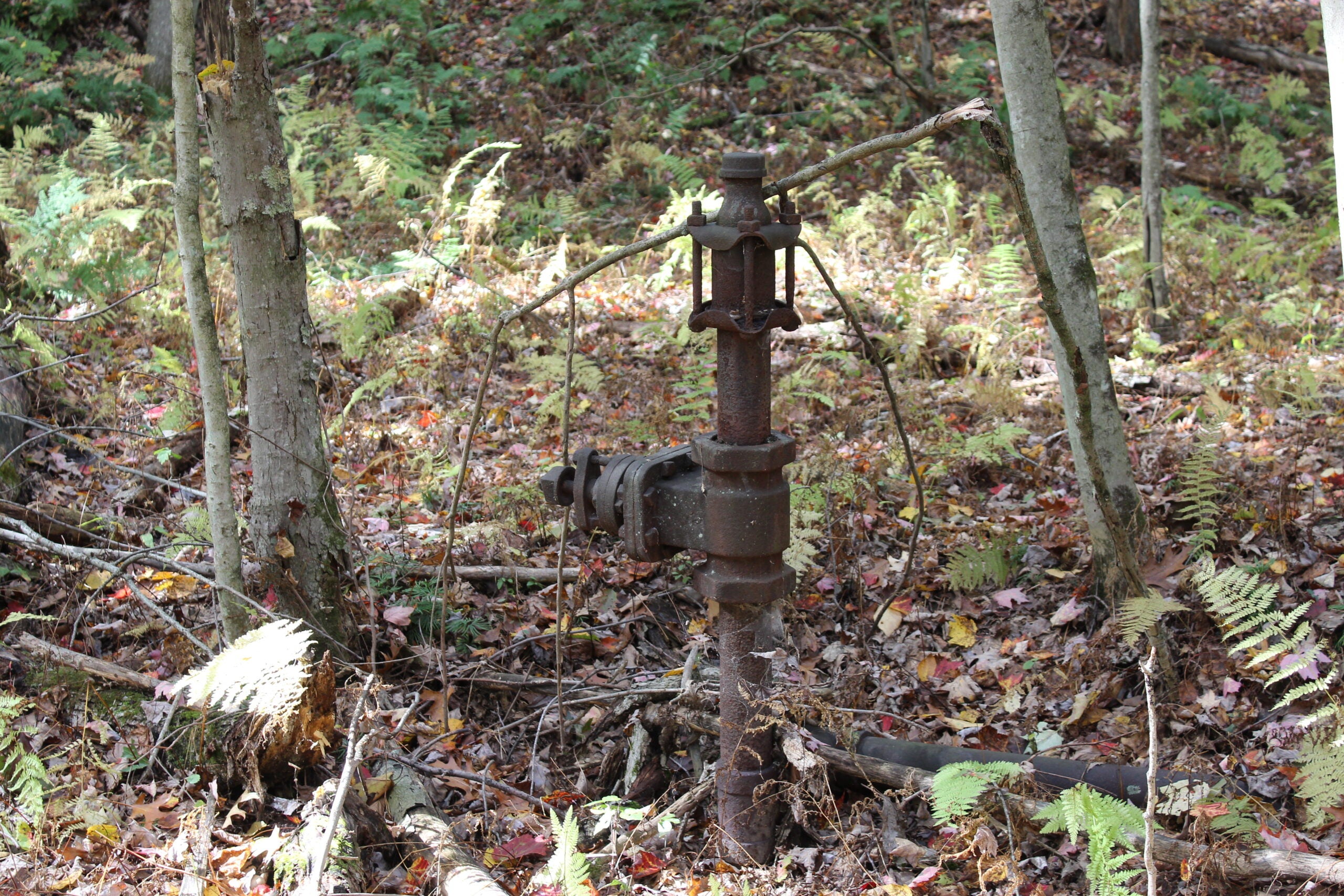
So the team, which also included researchers and experts from the Pennsylvania Department of Environmental Protection (DEP), Lawrence Berkeley National Laboratory, National Energy Technology Laboratory, Los Alamos National Laboratory and Sawback Technologies, looked for them from the air. This work is part of a broader effort at EDF to pilot new methods of finding and remitting orphan and abandoned wells.
First the team used drone-based magnetometer surveys to look for signs of hidden oil and gas wells. The equipment detected magnetic signals that could point to buried metal well casing or other underground infrastructure, rather than relying only on what was visible from the air.

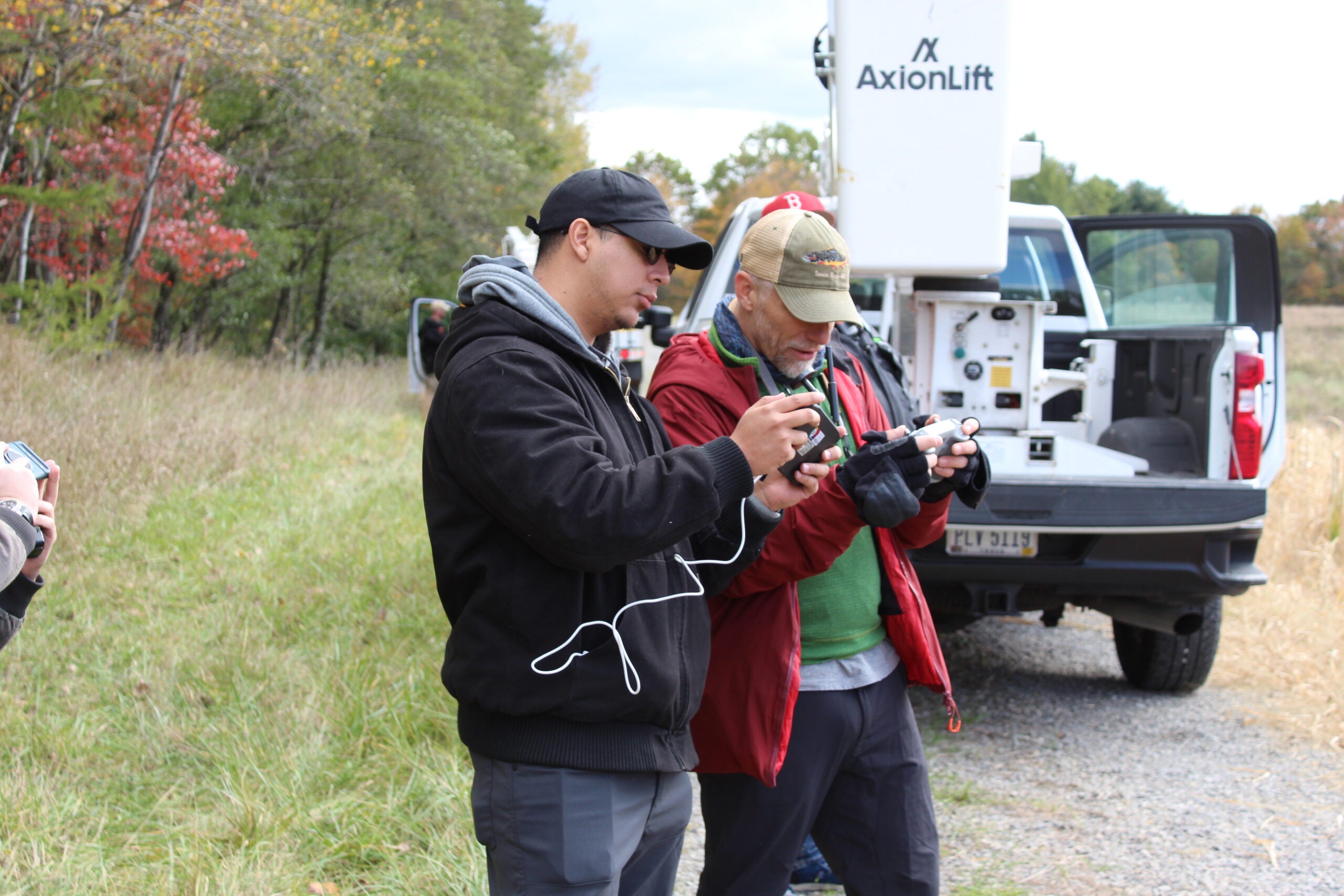
Field checks confirmed that some of the locations identified by the surveys were oil and gas wells, including wells that had not been previously documented.
That finding highlights one of the most promising aspects of the research:. A well doesn’t necessarily stop being a potential environmental concern simply because its infrastructure can no longer be seen from the surface. Technologies capable of identifying buried well infrastructure could help locate wells that sight inspections might miss.
Pennsylvania’s orphaned and abandoned well problem was created more than a century ago. And it’s certainly not the only state facing this challenge. Undocumented orphan wells are problem anywhere in the U.S. that experienced early oil and gas development, especially Appalachia, the southern mid-continent and Southern California.
While solving the challenge will take time, this research shows how better technology can make that work smarter.
The study also demonstrates why locating undocumented wells should remain an important part of the country’s broader orphaned well strategy. Finding additional wells means states can build a more complete picture and make better decisions about which sites warrant further investigation and, ultimately, plugging.
Drone magnetometers won’t eliminate the need for boots on the ground. But this study has demonstrated how these technologies can work together to narrow the search area, identify previously undocumented wells and provide better information about where to focus limited resources.
By Lily Dell, EDF Legal and Regulatory Intern
For many Americans, keeping the lights on and paying the electric bill have become growing concerns. The average U.S. household is expected to pay about $197 a month for electricity this summer, up 6% from last year. At the same time, extreme heat and rising electricity demand are straining parts of the power grid.
Time-of-use electricity rates can help address both challenges. These rates charge customers less for electricity during off-peak hours, when demand is lower, and more when demand is highest. By encouraging customers to shift when they use electricity, well-designed TOU rates can lower bills, reduce strain on the grid and support clean energy.
That said, not everyone can easily change when they use electricity. Customers who rely on 24-hour medical equipment, work fixed schedules conflicting with off-peak hours or otherwise lack flexibility may end up paying more under a TOU rate. As more utilities propose these rates, strong consumer protections are essential to ensure TOU programs deliver benefits without leaving vulnerable customers behind.
TOU programs also differ in how customers enroll. Some jurisdictions allow customers to opt in, while others transition customers to a TOU rate by default. Both approaches should include customer protections, but these safeguards are especially important for default rates so automatically enrolled customers retain meaningful choice.
EDF has championed TOU rates for more than a decade because, when designed well, they can lower electricity costs, reduce peak demand and support a cleaner, more reliable grid. As far back as 2013, EDF advocated for TOU rates while emphasizing the importance of customer choice. As TOU rates become more common, getting the details right is more important than ever.
Early education is essential
Customer education is key to a successful TOU rate. Customers need clear, accessible information about how TOU rates work, how prices vary throughout the day and personalized strategies to lower their bills. This education should begin long before customers transition to a TOU rate, giving them time to learn and adapt and reducing the risk unexpectedly high bills. Effective education helps the rate work as intended and gives customers greater power to lower their bills.
Shadow billing helps customers prepare
Shadow billing can be one of a utility’s most valuable tools for successfully implementing a TOU rate, providing both customer protection and education. A customer receives an alternate “shadow bill” for several months that compares their current bill with what they would pay under a TOU rate. This personalized information helps customers become familiar with the TOU rate, identify opportunities to save money by changing their behavior and better understand utility billing, which can strengthen trust.
In Massachusetts, Groton Electric Municipal Light Plant used shadow billing as part of a TOU rate pilot. A subsequent case study from American Public Power showed that this method contributed meaningfully to reductions in peak electricity usage. In California, utilities must provide shadow bill comparisons for at least a year before transitioning a customer to a TOU rate and continue providing them while the customer remains on the rate. This gives customers advance information on how their bill can change so they can make informed decisions about their electricity use.
Bill stabilization helps protect customers as they adjust
Bill stabilization helps protect customers from paying more under a TOU rate than they would have on their standard rate plan. During California’s statewide TOU transition beginning in 2019, the state required utilities to stabilize customers’ bills for 12 months. Utilities automatically calculated whether each customer was saving money or paying more under the TOU rate. Customers who paid more received a credit for the difference. This approach gave customers time to adapt their household electricity use while eliminating the financial risk of trying a new rate.
Post-implementation shadow billing can reinforce this protection. By showing customers what they would have paid under the standard rate, utilities give them the information they need to decide whether to remain on the TOU rate or switch back.
Not every customer can shift their electricity use
TOU rates are designed for customers who can shift when they use much of their daily electricity, but that flexibility is not universal. Some states exclude certain customer classes from the default rate. California exempts many vulnerable customer classes, including certain low-income households, customers with medical needs and older adults, from automatic enrollment.
Choice builds trust
Customers should maintain control of their electricity plan. TOU rate programs should provide a clear and guaranteed way to opt out without enrollment fees or cancellation penalties. Customers should be able to opt out online, on paper or by phone.
Research conducted for the Massachusetts Attorney General’s Office reinforced the importance of this “choice builds trust” principle. Customer outreach found that people wanted utilities to preserve agency, choice and control when changing how they are charged for electricity. Meaningful choice is especially important when customers must navigate a new and unfamiliar rate. If customers know they can leave without financial consequences, they have greater freedom to try a TOU rate and determine whether it works for their household.
TOU rates should work for everyone
As states expand TOU rates, they should measure success not only by the impacts on the electric grid and customers’ bills, but also by how well customers understand their rates, whether they believe the rates benefit them and whether they are adequately protected.
The strongest TOU programs recognize the importance of all these factors. EDF advocates for TOU programs that work for all customers and encourages individuals, utilities and other stakeholders to support customer choice and protections.