






Getting alternative fuels right: A science-based blueprint for a sustainable energy transition
Posted: in Hydrogen
Written By

Share
Summary
- Alternative fuels are essential for decarbonizing hard-to-electrify sectors – but their climate and environmental benefits depend on how they are produced, managed and used across the full value chain.
- Not all fuel pathways are equal: overlooked emissions, unsustainable feedstocks and inefficient energy use can significantly reduce expected climate gains.
- A systems-based, science-driven approach – including full lifecycle assessment, smart prioritization and strong safeguards – is key to ensuring alternative fuels deliver real, lasting benefits.
By Sofia Esquivel-Elizondo, Environmental Defense Fund, and Ilissa Ocko, Spark Climate Solutions
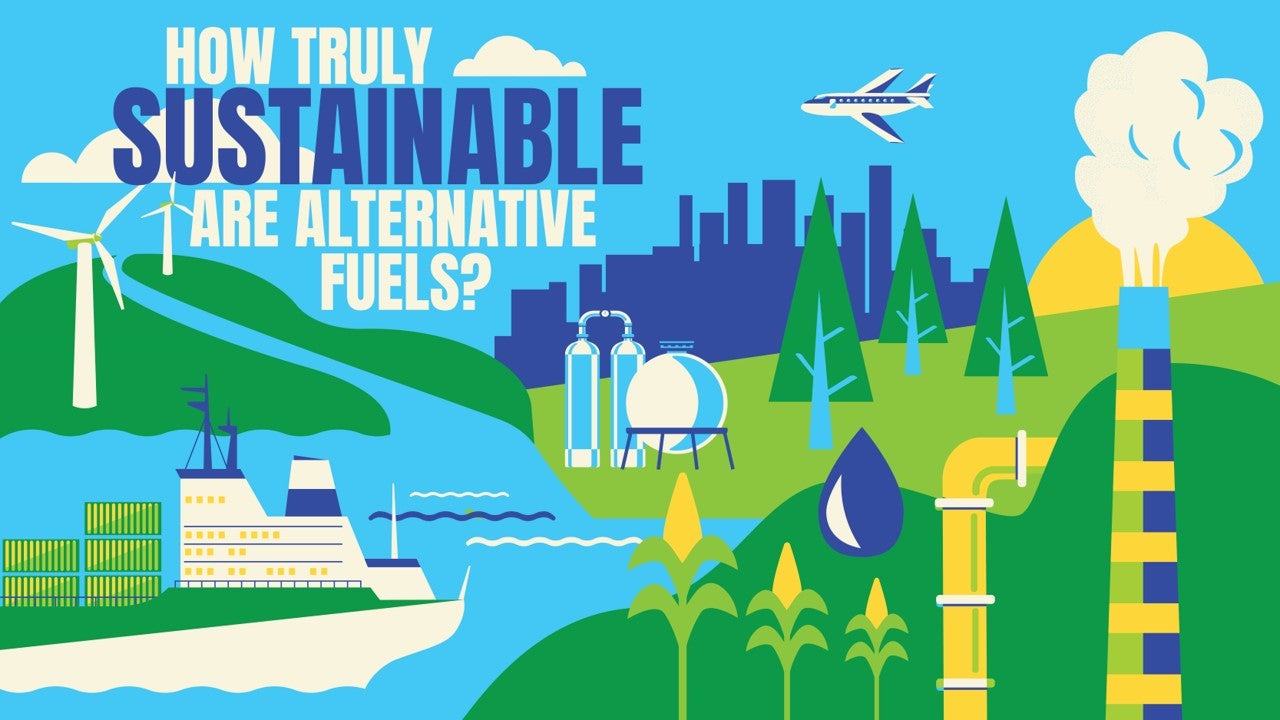
As countries and industries work towards decarbonizing sectors that are difficult to electrify – including aviation, shipping, heavy industry and commodity chemicals production – interest in alternative fuels is surging. Hydrogen, ammonia, methanol, synthetic methane and related fuels are attracting billions in investment and growing policy support. But these fuels are not inherently sustainable simply because they can be produced with low-carbon methods. Their climate and other environmental impacts depend on how they are produced, handled and used across the entire value chain. Getting these details right will determine whether alternative fuels deliver real climate progress or create new environmental risks.
Environmental Defense Fund’s new scientific perspective article, ‘Ensuring the climate and environmental integrity of alternative fuels’, published in Environmental Science & Technology, offers timely guidance on how to ensure that alternative fuels can deliver on their promise. The best results occur when alternative fuel value chains are thoughtfully designed and deployed from the start, and this paper offers insight into how to do so responsibly.
Alternative fuels can be powerful tools – when viewed as systems, not just molecules.
A key insight from this work is that sustainability is not an inherent property of a fuel itself. The same fuel molecule can have very different impacts depending on how it is produced, transported, stored, and used.
For example, a hydrogen molecule produced with low-emissions (“clean”) electricity and with tight emissions controls during its production, handling, and use can significantly reduce climate pollution in steelmaking or shipping. However, that same molecule produced with fossil energy that comes with high methane emissions, low carbon capture rates or leaky infrastructure can deliver far fewer climate benefits, and potentially even harms. This is especially relevant for the near term, when climate-warming emissions like methane and hydrogen are most potent in the atmosphere.
By focusing not just on individual fuels, but entire value chains, decision-makers can distinguish between pathways that truly support climate goals, environmental sustainability and long-term energy competitiveness and security, and those that fall short.
Climate and environmental integrity require looking beyond carbon dioxide alone.
Carbon dioxide matters, but it is not the whole emissions story. Other climate warming pollutants such as methane, hydrogen and nitrous oxide can have outsized impacts. Methane and hydrogen – both part of many alternative fuel value chains – are short-lived but potent climate warming gases, and therefore particularly relevant over the next few decades. Methane has more than 80 times the warming power of carbon dioxide over the first 20 years after it reaches the atmosphere, and hydrogen’s climate impact is estimated to be 37 times that of carbon dioxide over the 20 years following its release. Nitrous oxide, which is especially important in biomass, and nitrogen-based fuel pathways, is a long-lived gas that accumulates in the atmosphere. It is around 275 times more potent than carbon dioxide per mass on the 20-year and 100-year timescales.
Beyond climate impacts, non-carbon emissions also pose significant risks to air, water and ecosystems. Reactive nitrogen emissions, including ammonia (which is currently being considered for increased use in shipping and power systems) and nitrogen oxides and nitrogen dioxide (which occur during incomplete fuel combustion in engines and turbines), can degrade air quality, contribute to nitrogen pollution across land and water systems, and have either warming or cooling effects). Emissions of these climate and environmental pollutants occur – often unintentionally – through leakage, venting or combustion processes and are still under-measured in many assessments.
But these emissions are highly manageable. Monitoring technologies are progressing, mitigation strategies are well understood, and best practices are continuously improving. Accounting for these pollutants more comprehensively allows policymakers and industry to design and operate fuel value chains that maximize real-world climate and other environmental benefits.
Inputs and value chain decisions matter
The environmental performance of alternative fuels is shaped decisively by their inputs – the feedstocks and the energy used to convert them. Water and biomass residues and wastes can support climate and sustainability goals when sourced responsibly, while feedstocks that lead to water stress, compete with food production, drive land-use change or cause ecological harm can undermine them. Similarly, carbon-based hydrogen-derived fuels (e.g., e-methanol, e-diesel, and e-kerosene) perform very differently depending on where their carbon comes from. Using fossil-derived CO2 still contributes to warming because that fossil carbon is eventually released when the fuel is combusted, whereas atmospheric capture and sustainable biomass sources can be closer to carbon-neutral over time. Moreover, fuels produced with truly clean electricity can have significantly lower lifecycle impacts than those relying on fossil-based energy sources – but emissions impact can vary based on location, time and competing uses.
Beyond production, every stage of the value chain can lead to emissions that significantly affect climate, air quality, ecosystems and communities.
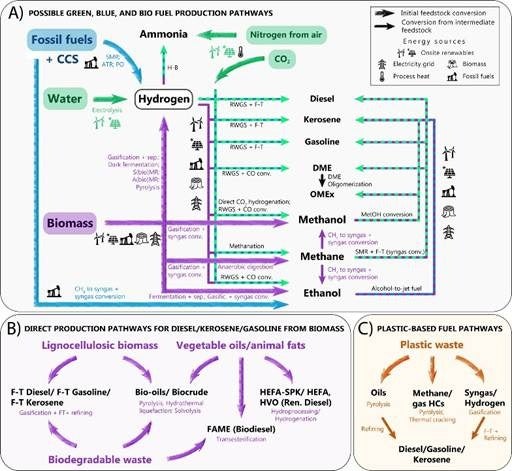
The science is clear: there are better and worse life-cycle pathways for every alternative fuel, and distinguishing between them early allows markets and policies to reward the best options.
Energy efficiency and smart prioritization accelerate progress.
Alternative fuels will be essential and could be truly sustainable but they should be used where they matter most. Producing fuels requires energy, often a lot of it. Each conversion step introduces energy losses, which means renewable electricity is generally most effective when used directly wherever possible.
This helps clarify the important role of fuels for specific purposes. Long-haul shipping and aviation, very high-temperature (>1000 °C) industrial processes and long-term energy storage are where alternative fuels offer the greatest system value. Prioritizing these uses ensures that limited renewable energy resources deliver the maximum climate and economic return.
This principle – sometimes described as the “best use of clean electrons” – helps align climate ambition with practical implementation.
Fuel diversity strengthens energy security and resilience.
Beyond reducing emissions, alternative fuels play an increasingly important role in energy security. A diversified energy system is more resilient to supply disruptions, price volatility, and geopolitical risk. Fuels that can be produced domestically from renewable electricity, sustainable biomass, or captured carbon offer countries new options to strengthen energy independence and build local economies.
But diversity alone is not enough. To fully realize these benefits, fuel systems must be built on durable foundations: reliable feedstocks, low life-cycle emissions, efficient infrastructure and strong environmental safeguards. Doing it right from the beginning avoids costly retrofits and ensures that today’s investments remain valuable in a net-zero future.
A practical, science-based roadmap for action.
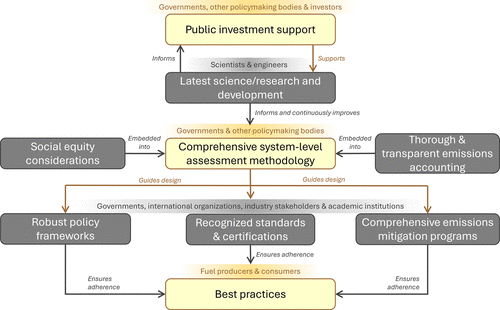
What the scientific paper ultimately provides is a roadmap. It highlights the best-in-class practices for producers, investors, and policymakers – from sourcing truly clean electricity and sustainable (climate-beneficial) feedstocks to controlling unintended and operational emissions, minimizing pollution, and protecting communities.
It also outlines what comprehensive assessments should include if alternative fuels are to scale with integrity: thorough and transparent lifecycle accounting, short- and long-term climate impacts, air quality and health considerations, ecosystems and biodiversity impacts and opportunity costs. These recommendations are not barriers; they are tools for better decision-making.
The opportunity ahead
Alternative fuels can play a pivotal role in building a secure, resilient and climate-safe energy system. The technologies are advancing, the momentum is real, and the potential benefits are substantial. By applying systems thinking and ensuring science-based standards and best practices now, we can ensure that scale-up delivers lasting value – for the climate and environment, for communities and for the global economy.
This is how we move faster and smarter. Getting alternative fuels right from the start is not a constraint on the energy transition, but one of its greatest enablers.