






Bringing new pollution-sensing technology to California
Posted: in California
Written By

Share
 Report published December 2017
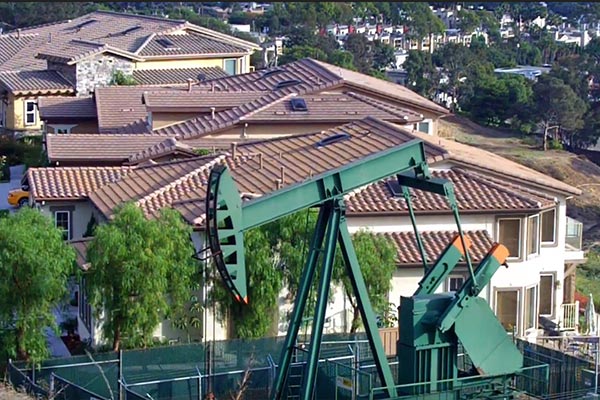
California is home to over 50,000 active oil and gas facilities – 3,500 in the Los Angeles area alone. Many are located in close proximity to homes, schools, and hospitals. Emissions from these facilities can create real public health concerns, especially for communities living near oil and gas sites.
A new analysis explains how advancements in air pollution sensing technology could enable California to:
- Improve public health protections, and reduce exposures in communities.
- Cut pollution and help transition to a cleaner energy future.
- Close data gaps and democratize data access related to industry emissions at lower costs and higher resolution than has ever been possible.
- EDF’s latest research in monitoring technology demonstrate we have the tools available today that can transform the way we access pollution data tomorrow.
These technological breakthroughs were made possible by the work of bedrock companies and innovation-minded entrepreneurs, and aided in part through EDF partnerships with institutions like Stanford University and programs like the Methane Detectors Challenge. Together, we are helping to propel the sensing revolution and accelerate cost reductions.
Where we’ve been, where we are going
California has a long history and strong track record on air quality monitoring, but real-time data on oil and gas emissions remains practically non-existent. If made widely available, this data could help energize new policies that can reduce pollution.
Fortunately, the recent tech boom has made pollution sensing technology more accessible than ever before — meaning we can start to deploy continuous air monitors at oil and gas sites to collect emissions data 24 hours a day, 7 days a week – data can also inform health research and public policy.
EDF’s recommendations for air pollution monitoring is based on a technical analysis by Ramboll Environ that details the vast growth of technology and characterizes costs and capabilities of the best suited stationary monitors on the market today.
A select number of facilities have already started implementing these technologies. But if air monitors are installed at facilities statewide and pollution data is made publicly available, it could significantly improve quality of life for communities living near the oilfields. This EDF report identifies a framework of recommendations aimed at ensuring state-wide deployment of this new wave of technology.