






Texas needs greater transparency on data centers’ water and air impacts
Posted: in Texas
Written By

Share
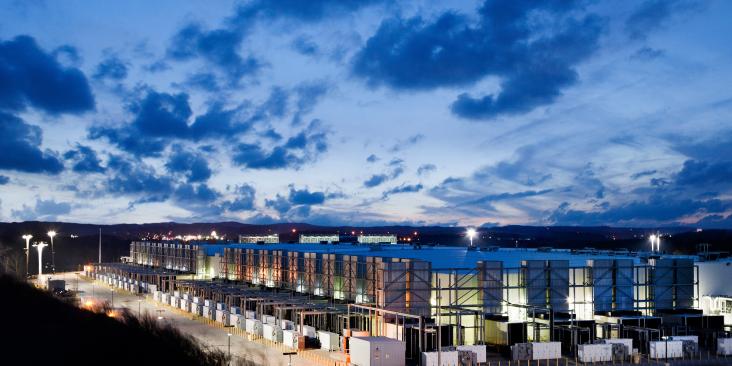
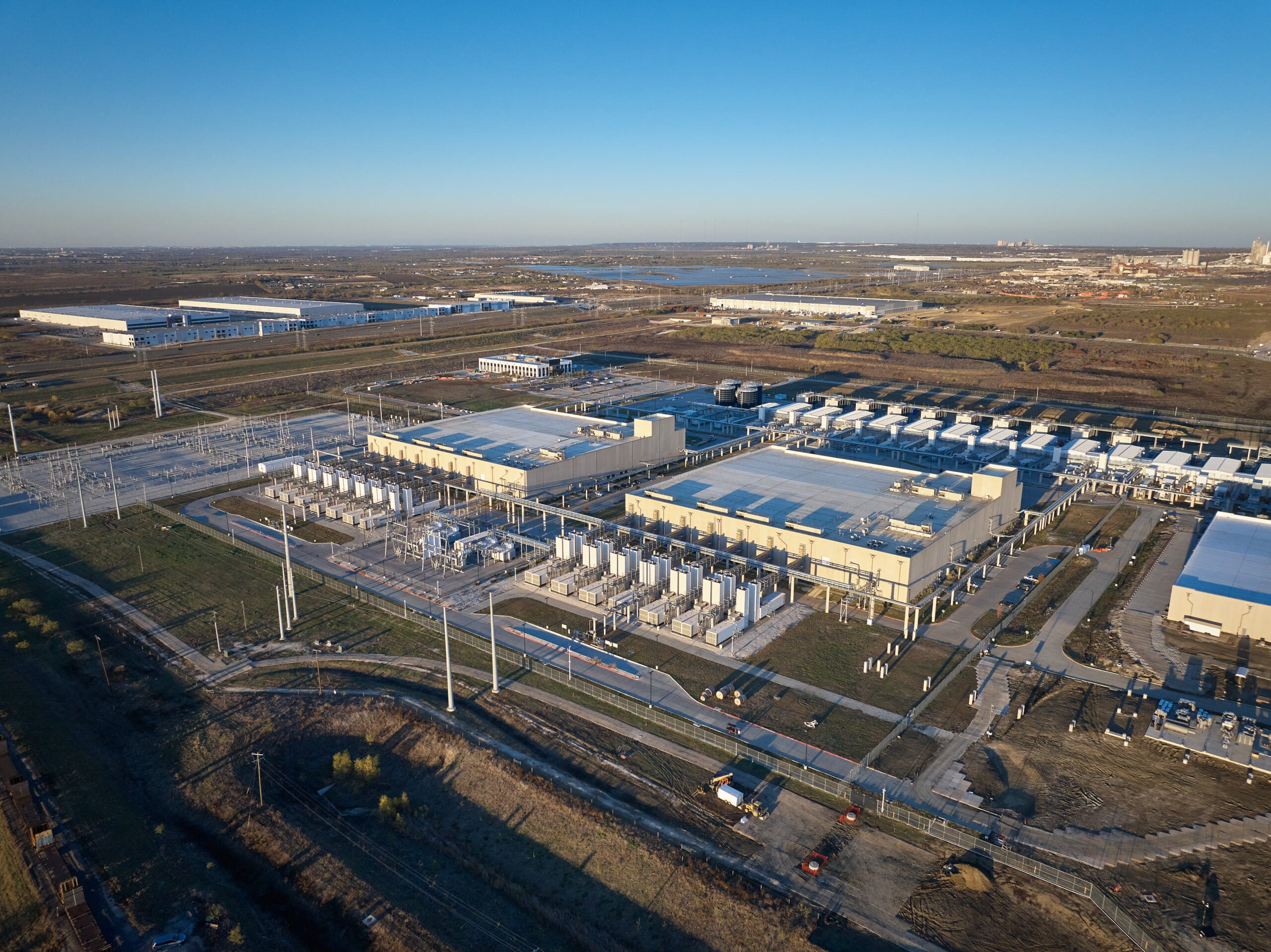
Texas is rapidly becoming one of the country’s biggest data center hubs. The state already has 335 data centers, with at least 248 more in the works. At its current pace of growth, Texas could overtake Virginia as the world’s largest data center market by 2030.
That growth brings investment and economic opportunity. It also raises important questions about the electricity, water and other resources these facilities require and their potential impacts on surrounding communities. For instance, rapid growth can drive costly grid upgrades, and without the right safeguards, Texas families and businesses could end up footing part of the bill. Texans need better information to understand such impacts.
The Public Utility Commission of Texas is considering new disclosure requirements that could help. As part of its large load interconnection rulemaking, the commission would require large-load customers such as data centers to report information about water use, air impacts and environmental permits to their utility. But utilities collecting information alone is not enough. The proposed disclosures will do little to improve accountability or community awareness if they are submitted only to utilities and never shared with the public.
The PUCT should ensure that information about water use, air impacts, permitting and other key project characteristics is transparently reported and readily accessible to regulators, planners, local governments and affected communities. Otherwise, the disclosure requirements risk becoming a check-the-box exercise rather than a meaningful tool for informed decision-making as growth accelerates, especially near communities already experiencing disproportionate air quality and water-related burdens.
Texas needs a clearer picture of data centers’ water demands
Data centers can require substantial amounts of water, both for cooling and to generate the electricity for computational loads, especially if that electricity is generated from coal or natural gas. In Texas, that water demand could grow quickly. Houston Advanced Research Center estimates Texas data centers consumed about 25 billion gallons of water in 2025. By 2030, that demand could climb to as much as 161 billion gallons annually, or 2.7% of all water used in Texas – roughly the amount used by 1.3 million average U.S. households.
But even the state does not yet have a complete picture. While researchers have estimated data center water demand, Texas does not yet systematically estimate or track this usage. The state has historically lacked specific data on how much water data centers use, making it difficult to fully account for their demands in state water planning. The Texas Water Development Board has begun taking steps to improve tracking and reporting, but significant gaps remain.
These concerns have also drawn the attention of Governor Abbott, who has called for regulators to scrutinize the water and energy demands of proposed data centers seeking to connect to the grid before those projects move forward. As data center growth accelerates, greater transparency and better data will be essential to managing Texas’ water resources responsibly and protecting communities already facing water supply challenges.
That information gap makes the PUCT’s new disclosure requirements particularly important. The latest proposal would require large-load customers to report anticipated water use, water source, water supplier and cooling technology to their utility – but not to the state, so it may not become publicly available. That would be progress, but Texas should go further.
EDF recommends requiring information that provides a fuller picture of a facility’s water footprint. In addition to disclosing anticipated water use, data centers should report their water replenishment volumes, or other measures taken to mitigate water impacts, for the watersheds in which data centers are operating. This would help stakeholders better understand facility-specific water risk, manage long-term water availability and reduce exposure to escalating community and regulatory risk in water-constrained areas.
Data centers should also disclose anticipated water use and discharges and locate projects where adequate water supplies can support them without straining local resources, particularly in communities that depend on groundwater and water-scarce areas like Texas and much of the western U.S. That information also needs to reach the people who can use it. Water-use information matters to local governments, water planners and communities that must make decisions about increasingly constrained resources. Today, communities have limited access to reliable information about the water impacts associated with major data center development.
Collecting better information is only half the job. If that information remains with utilities and never reaches regulators, planners, local governments and affected communities, it can hardly be called disclosure. Under the PUCT proposal, data centers and other large-load customers would report information to their utilities, but the rule does not clearly establish how utilities must use that information in their planning or whether relevant information will become publicly available.
Air impacts deserve greater transparency too
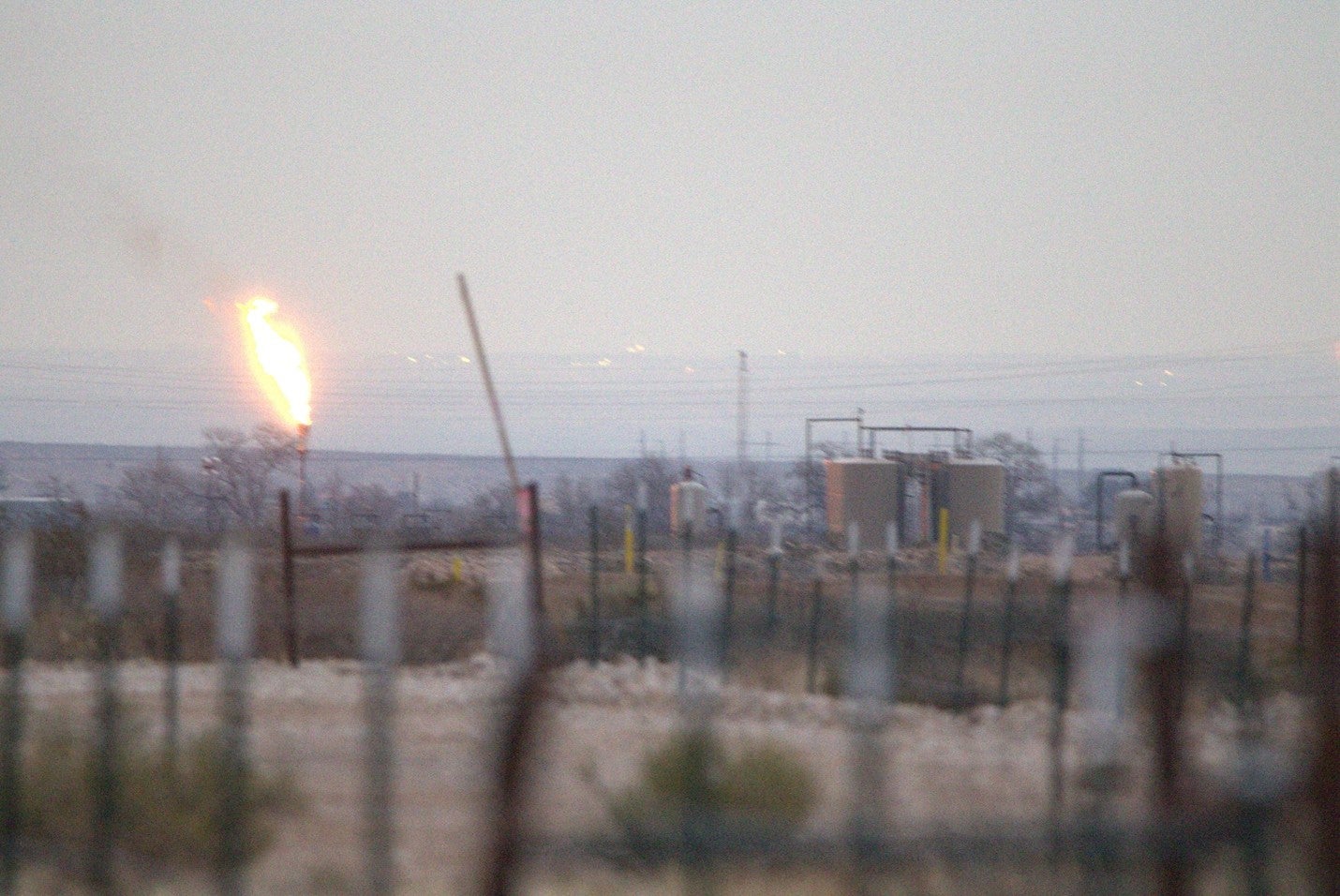
The proposed rule would also require large-load customers to report the status of air permits but does not require disclosure of emissions levels or criteria air pollutants that harm public health. Data centers do not just draw electricity from the grid. Some rely on dozens or even hundreds of diesel generators or other on-site generation sources for primary or backup power. The scale of that on-site generation is already significant and will grow in the coming years.
Since 2024, at least 38 Texas data centers have received minor permits to operate on-site power sources, resulting in approval for more than 2,100 backup diesel generators statewide, according to a Floodlight analysis. Together, those generators are permitted to emit nearly 2,500 tons of smog-forming nitrogen oxide (NOx) pollution each year, more than triple the amount from Texas’ newest coal-fired power plant. NOx pollution can exacerbate asthma and bronchitis and increase the risk of heart disease.
Consider the Stargate data center campus in Abilene. Its developers initially received minor permits for 10 gas turbines and 62 diesel generators. Those turbines and generators are permitted to emit more than 1,000 tons of harmful air pollutants and 1.6 million tons of greenhouse gases annually, roughly equivalent to the annual emissions of 373,000 gasoline-powered passenger vehicles. And the issue extends well beyond backup generation. As power demand from data centers grows, developers are increasingly proposing dedicated on-site, pollution-emitting generation projects to supply electricity directly to these facilities.
For example, Amazon has proposed a Texas data center that would rely on a massive new on-site natural gas power plant permitted to emit up to 33 million tons of greenhouse gases annually, which could make it one of the nation’s largest single sources of air pollution. Rather than locking in new sources of pollution, data centers should prioritize clean energy and other lower-emitting resources to meet their growing electricity needs.
Texas needs greater data center transparency
Regulators, planners and affected communities need meaningful information about data centers’ energy and emissions, including the sources and amounts of electricity and fuel used for primary and backup power, as well as the air pollution associated with their expected energy demand. Disclosure requirements should go beyond simply identifying whether backup generators are present. EDF recommends requiring meaningful information about on-site generation as well as emissions and operating characteristics that could affect surrounding communities and landowners.
New electricity demands can have significant implications for grid planning, transmission investment and ultimately the costs borne by Texas ratepayers. Texas is at the beginning of a profound shift in how and where the state uses electricity, water and other resources. The decisions regulators make now will shape communities and infrastructure for years to come.
More disclosure is a good start. Now the PUCT should ensure Texans have a clear picture of how accelerating data center development affects air quality, water, local communities and energy costs.