






EPA’s Pavillion, WY Groundwater Contamination Study A Wake-Up Call
Posted: in Natural Gas
Written By

Share
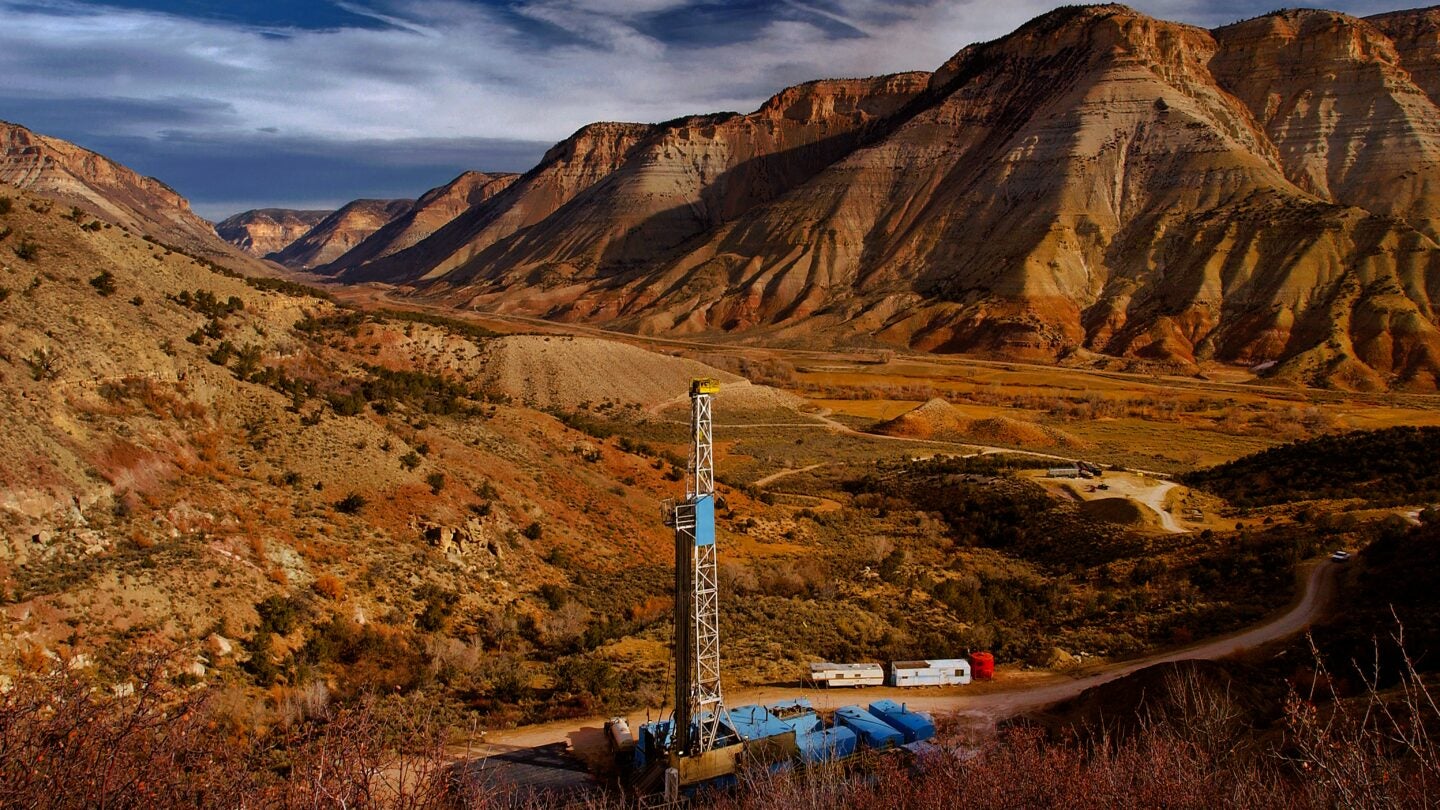
 Today’s release of a draft US Environmental Protection Agency study on groundwater contamination around natural gas wells in Pavillion, Wyoming, should be a wake-up call to anyone who thinks public anxiety about shale gas development is overblown and unjustified.
Based on the draft report, it seems pretty clear that hydraulic fracturing fluids, and other contaminants associated with natural gas production, found their way into Pavilion’s groundwater. And it is not hard to see why. The report reads like a primer on what NOT to do when developing unconventional gas. It’s all here: poor cement quality, cement not injected to the proper depth to isolate the well from the groundwater, fracturing activity taking place in close proximity to the water table (in itself a questionable practice, but in this case, particularly egregious given the lack of cap rock between the zone of fracture and the groundwater), soil contamination around waste water pits indicating spills at the surface that migrated to groundwater and lack of clarity about what went down the well because of incomplete disclosure of the chemicals used in the fracturing process.
This draft report is Exhibit A on why stronger regulation and enforcement is necessary if the general public is EVER going to believe that shale gas development is a safe source of natural gas. Indeed, the draft report says it best:
“Finally, this investigation supports recommendations made by the U.S. Department of Energy Panel (DOE 2011a, b) on the need for collection of baseline data, greater transparency on chemical composition of hydraulic fracturing fluids, and greater emphasis on well construction and integrity requirements and testing. As stated by the panel, implementation of these recommendations would decrease the likelihood of impact to ground water and increase public confidence in the technology.”
Having played a leading role in developing the DOE recommendations, we couldn’t agree more. As this draft report makes clear, the time for action to improve regulation and enforcement is now.