










Southeast fishery closures make the New York Times
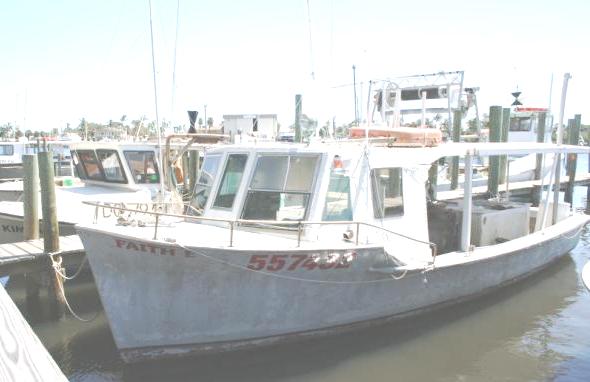 Southeast fishermen recently finished the first month of closures on many popular fish. Many fisheries won’t open again for several months and reality is sinking in across the region.
The New York Times is even taking notice. When a region’s fishery woes make ink in one of the most prominent papers in the nation, you know it’s a big deal.
It’s apparent that closures aren’t working for fishing businesses, restaurants or local economies. Fishermen can’t make a living when they can’t fish. Businesses that rely on local fish must turn to far off places to get it. What’s not as apparent is that closures aren’t even very good for the region’s ecosystem, because they force fishermen to fish harder on other species that aren’t closed. This can cause market gluts and an early end to the fishing season for many species, which just multiplies current problems.
However, in all the sobering news coverage that’s come out lately, outlets are overlooking a solution that’s good for fish and fishing businesses.
Southeast fishermen need catch shares, which allow fishermen the flexibility to fish when the weather and prices are good and improve collection of fishery data, all while rebuilding fish populations.
The good news is that the South Atlantic Fishery Management Council is already exploring this solution. In fact, the Council has scheduled a catch shares workshop for March 1 preceding the Council’s next regular meeting. If you’re interested in learning more about the best solution for Southeast fisheries, I encourage you to attend. The meeting is open to the public.

3 Comments
NO to Catch Shares! We don’t want them or need them. ITQ’s is an economic tool not a conservation one. Wall Street please don’t ruin our fish resources. Paying a set price for Quota before you fish will bankrupt the fishermen.
Actually, catch shares are proven to be good for conservation. Status quo management certainly isn’t a conservation tool, as evidenced by the closure. No one sets a price on quota and Wall St. has nothing to do with it. Fishermen are already going bankrupt left and right under conventional management.
Conservation in catch shares, please be specific. Right now in Alaska the GOA trawlers threw over 100 million pounds of halibut bycatch. If your catch share system is so great why do you people not use facts?
Yes, Charlotte, please do your home work. Catch shares give OWNERSHIP to a fishermen, who ends up selling or leasing the fish. The rich investors/speculators end up with the fish.
A public resource is privately owned.
If you really cared about sustainable fishing, you would be stopping the 80% of seafood imports. These imports come from countries that do not practice sustainable fishing.