







Marine Carbon Dioxide Removal: Promise, Risks, and the Path Forward
Posted: in Climate and Fisheries Series
Written By

Share
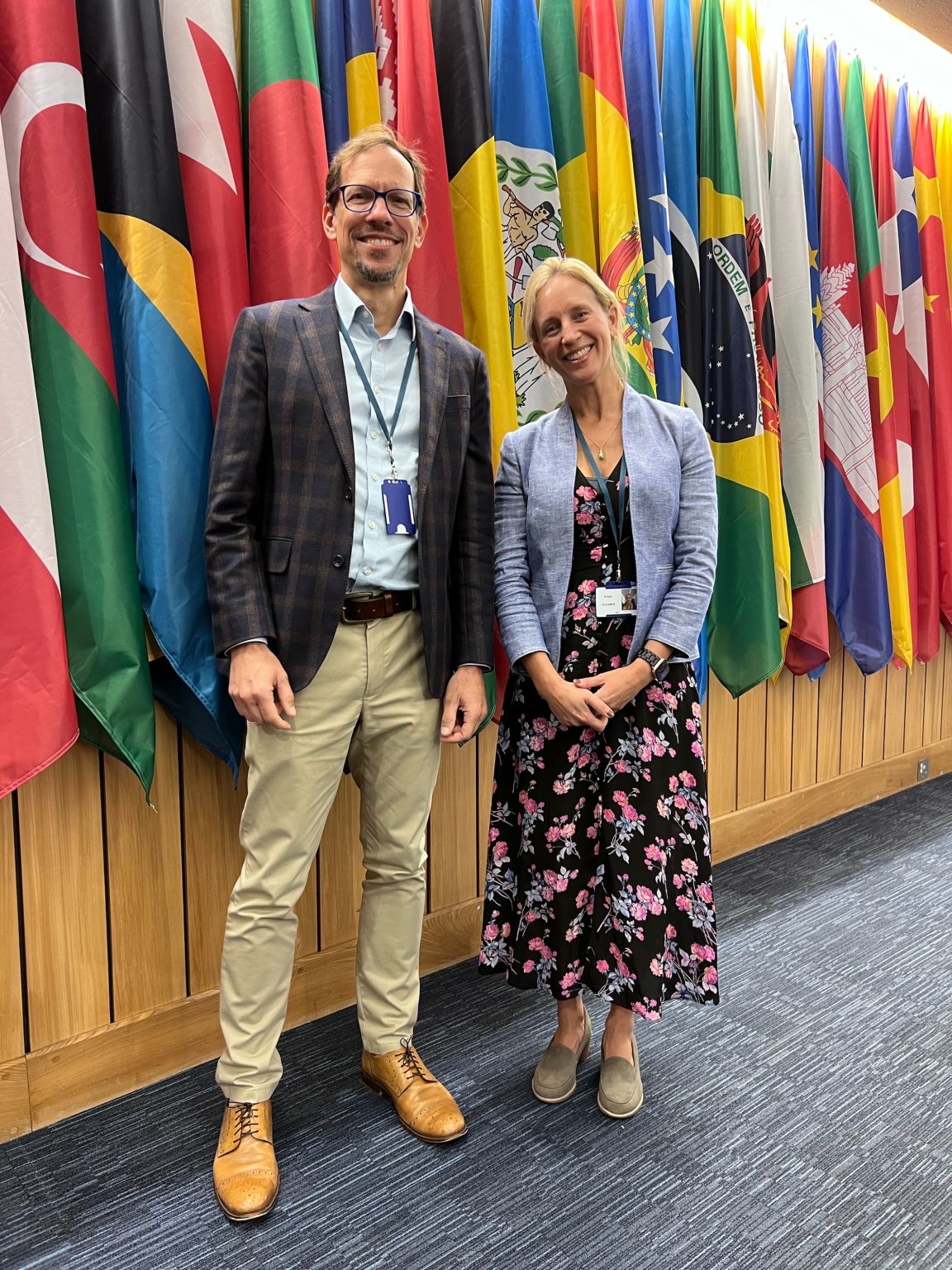
A conversation with EDF’s Associate Vice President for Oceans Science, Dr. Kristin Kleisner, and EDF’s Vice President for Ocean Climate Innovation, Dr. John Mimikakis
By: Maddie Voorhees, EDF Oceans
Climate change poses escalating risks to people and nature. The ocean is already a powerful climate ally. Protecting its ability to absorb and store carbon, and the ecosystems that support that role, is essential. Deep and rapid emissions reductions remain an essential priority in addressing climate change. But a substantial gap exists between the amount of carbon dioxide that we need to mitigate to prevent worsening impacts from climate change and the world’s current carbon removal capacity. As researchers investigate whether marine carbon dioxide removal, or mCDR, could provide additional climate benefits, important questions remain about its effectiveness, environmental impacts and governance.
Two meetings of global government leaders recently brought these issues into focus: the Convention on Biological Diversity’s (CBD) COP17 and the meetings of the London Convention and London Protocol (LCLP), where governments adopted new frameworks for assessing research related to three mCDR approaches.
We spoke with Dr. Kristin Kleisner, EDF’s Associate Vice President for Oceans Science, and Dr. John Mimikakis, EDF’s Vice President for Ocean Climate Innovation, about EDF’s work to advance ambitious and responsible ocean climate innovation.
What is marine carbon dioxide removal, and how could it contribute to addressing climate change?
John: The buildup of carbon dioxide in the atmosphere is driving global warming, so we need to deeply and rapidly reduce more carbon dioxide from getting into the atmosphere. But recent assessments from the United Nations Environment Programme (UNEP), the Intergovernmental Panel on Climate Change (IPCC), and others now show that meeting climate goals also requires removing carbon that’s already in the atmosphere, at a scale far greater than today’s capacity.
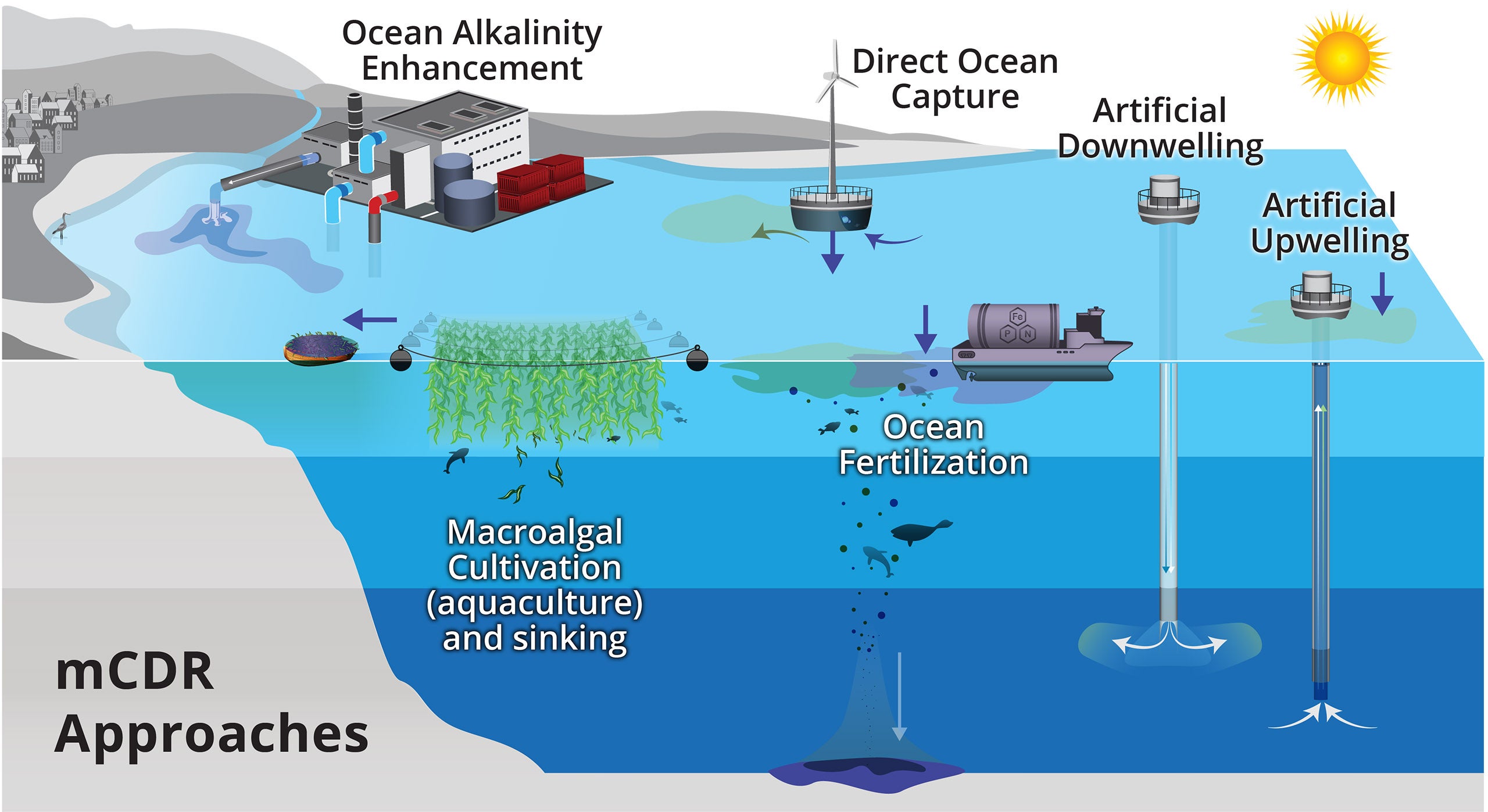
That’s where marine carbon dioxide removal could come in. mCDR aims to expand the ocean’s natural ability to remove and store carbon dioxide to remove more from the atmosphere and keep it out. Three approaches illustrate the idea:
- Ocean alkalinity enhancement changes seawater chemistry, for example by adding minerals, so it can absorb and store more carbon dioxide.
- Ocean fertilization adds nutrients to the ocean to encourage small marine plants like algae that absorb carbon dioxide to grow, taking up additional carbon that could then sink into deeper waters.
- Biomass sinking sends plants that absorb carbon dioxide, such as seaweed, into the deep ocean to keep the carbon it contains away from the atmosphere.
However, these methods haven’t yet demonstrated whether they can work, are safe, and make sense when compared to other carbon removal approaches. If research shows they can meet those standards, they could someday help be part of the strategy for combating climate change.
Why were these international discussions important, and what did EDF bring to the conversation?
Kristin: The CBD COP sets global policy for protecting biodiversity, and the London Convention and Protocol (LC/LP) focuses on regulating ocean pollution. Oceans, climate, and biodiversity were featured prominently throughout these discussions, reflecting how closely connected these issues are. Climate change is driving ocean warming, acidification, and marine heatwaves, and a loss of biodiversity weakens the ocean’s ability to cope with these pressures. These gatherings are an opportunity to ensure governments address the climate and biodiversity crises together rather than in isolation.
EDF participates to ensure that conversations on climate action consider implications for biodiversity and the environment, and that conversations on biodiversity and conservation acknowledge the threat of climate change. At CBD COP17, I participated in several panels focused on bringing responsible and ethical research into emerging climate approaches, to understand their potential climate, biodiversity and socio-economic trade-offs. We also worked to build support for an initiative focused on conserving the mesopelagic, or ocean twilight zone, where marine species play a significant role in moving carbon through the ocean so it can be stored away for a long time, helping the ocean act as a climate ally.
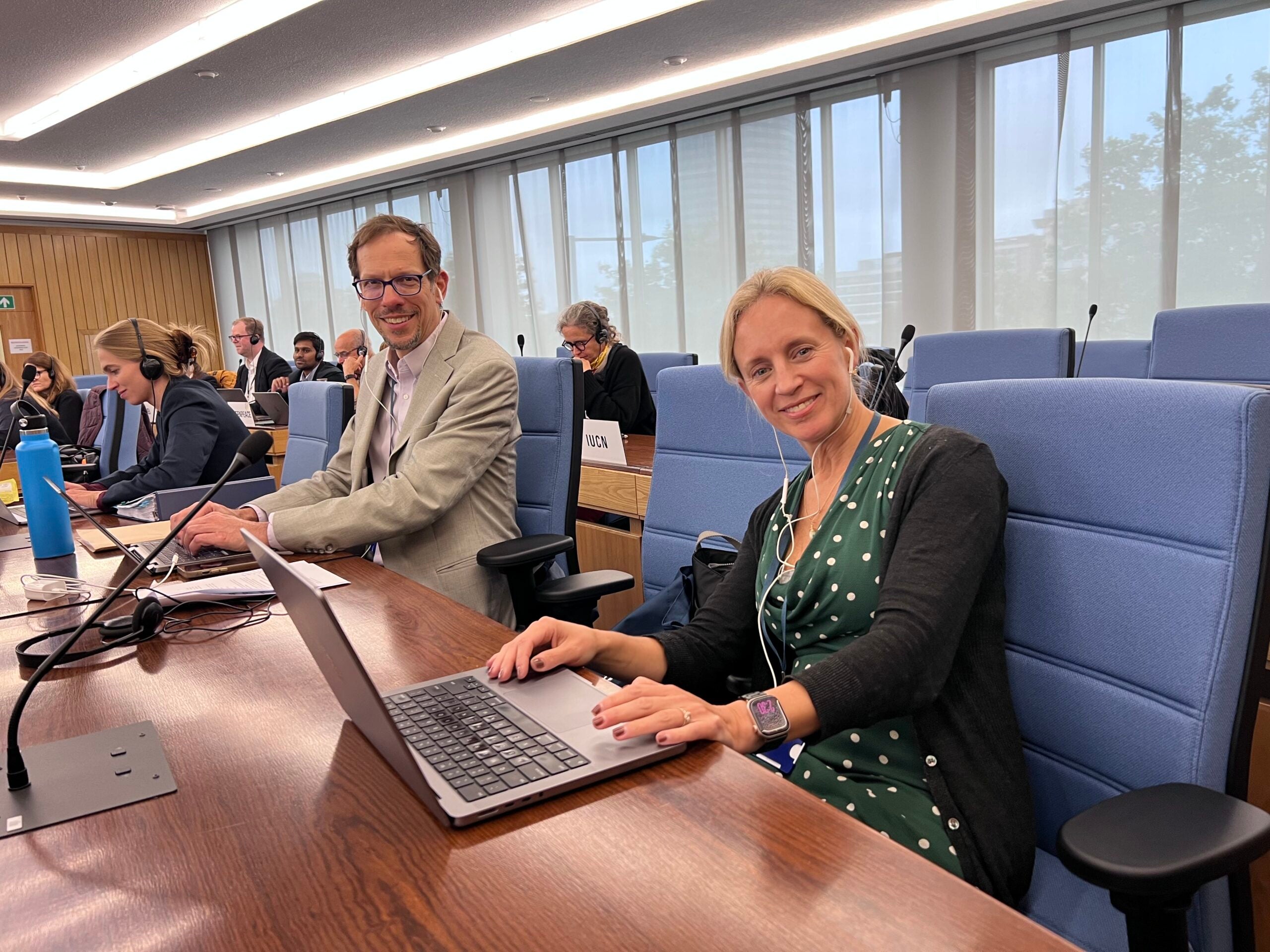
John: Kristin and I were in London for the meetings of the LC/LP, two international agreements that protect ocean ecosystems from pollution caused by dumping waste and other materials at sea. Governments have been working for years to develop guidelines for marine carbon dioxide removal under these agreements. Introducing materials into the ocean has the potential to cause harm, even when the goal is to help the climate, so these agreements take a strict, precautionary approach.
EDF joined other non-governmental organizations that engage at the LC/LP to support countries as they wrestled with those questions, bringing scientific evidence, ideas for regulation, and information about developments in the field. That perspective helps policymakers assess whether mCDR could contribute to climate action, and what safeguards would be needed to protect ocean health.
Governments adopted assessment frameworks at the LC/LP for three marine carbon dioxide removal approaches. What do these frameworks do, why does their adoption matter, and what questions remain unresolved?
John: The frameworks give governments a common process for evaluating research on ocean fertilization, ocean alkalinity enhancement, and biomass sinking. They offer guidance to regulators on assessing environmental risks, consulting the public, and requiring monitoring and oversight when permitting mCDR research activities. Their adoption is an important step toward more transparent, consistent governance that helps policymakers make informed decisions about mCDR. Importantly, they are not a green light for deployment. Significant questions remain about whether, when, and under what conditions any of these approaches could or should be deployed.
The ocean already helps regulate our climate. How does EDF’s work to protect the ocean twilight zone connect with mCDR?
Kristin: EDF has been working with partners at Ocean Conservancy, Woods Hole Oceanographic Institution (WHOI), Marine Conservation Institute, and others to raise awareness of a critically important yet largely unknown part of the ocean, the mesopelagic or ocean twilight zone—which to me embodies the connection between biodiversity conservation and ocean climate regulation.
This is the area of the water column from 200 to 1000m below the surface, where sunlight begins to filter out, transitioning to total darkness. Although it’s cold and mysterious, research over the past few decades has highlighted that it is teeming with life. These animals have evolved in fascinating ways to thrive in this deep-sea environment. However, we have only scratched the surface in understanding what lives there, with an estimate of over one million undescribed species.
These species undertake the largest daily migration of animals on the planet, and this movement contributes to the ocean’s ability to move and store carbon, helping to capture 2-6 gigatons of carbon annually. As we look for new ways to remove additional carbon dioxide through various mCDR approaches, we need to ensure that these methods don’t negatively impact biodiversity and the ecosystem.
How would you describe EDF’s position on mCDR, and the distinction between supporting research and supporting commercial deployment?
John: EDF supports responsible research into mCDR approaches. We don’t assume that deployment will follow. Supporting science to examine their effectiveness and its potential impact is not an endorsement of commercial deployment.
If approaches demonstrate that they can work, are safe for people and nature, and have strong guardrails in place to ensure they remain safe and effective, EDF may consider supporting their deployment.
Kristin: First, I’d note that mCDR is not just one thing. It encompasses several different methods that affect how the ocean works. That means there are different questions about how these approaches change the ocean, whether they are safe for the environment and people, and whether they can meaningfully and affordably help combat climate change.
Our research aims to identify which questions can be answered, what further research is needed, and whether an approach should not advance because the risks or trade-offs are unacceptable.
What role should fishers, Indigenous peoples and coastal communities have in shaping mCDR research and decisions?
Kristin: Communities and rights holders deserve a voice in decisions that affect them. They need accessible information and opportunities to ask questions and raise concerns. Engagement needs to be meaningful and two-way. By operating on a more level field, you can build legitimacy and trust, but of course, engaging just to gain acceptance should not be the goal.
John: Some governance processes are beginning to recognize these voices. The U.S. Environmental Protection Agency (EPA) issued permits for a mCDR research project in federal waters off the coast of Massachusetts (the LOC-NESS project) only after extensive consultations and open public comment periods. The assessment frameworks for mCDR research recently adopted by the London Convention and Protocol also encourage consultations with local communities and Indigenous peoples.
What comes next for EDF, and what would meaningful progress look like?
John: EDF will continue working with governments, scientists, communities, and industry to strengthen the evidence and rules needed for responsible mCDR research. We’ll also be at the United Nations’ global meeting of climate diplomats – the Climate COP – to advance these conversations. Meaningful progress means better understanding which approaches can deliver real climate benefits, which risks can be managed, and which approaches should not move forward—all while protecting the ocean and the people who depend on it.