








EDF Scientist Participates in Planning UN Report on Biodiversity
Posted: in
Written By

Share
Jake Kritzer is a Senior Scientist for EDF’s Oceans program.
 In anticipation of the International Year of Biodiversity in 2010, the United Nations Development Program (UNDP) is preparing a major report on the role of biodiversity and ecosystem services in sustaining natural resource-based industries in Latin American and the Caribbean.
The report will have an economic focus and speak to policymakers, highlighting how a shift from “business as usual” management practices that fail to value and protect biodiversity and ecosystem services ultimately lead to higher costs, declines in long-term employment opportunities, and poorer overall economic performance. Economic sectors to be covered include agriculture, forestry, tourism and, of course, fisheries.
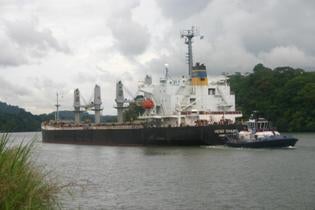
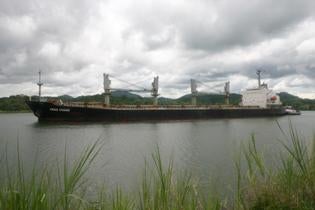
UNDP recruited EDF to help with the fisheries chapter in the report. So, I traveled to the small rainforest town of Gamboa in Panama’s Canal Zone to meet with experts from across Latin America and around the world to plan the report. The setting was somewhat surreal, given that we were surrounded by thick, lush jungle, with an array of colorful tropical birds darting about, and the occasional herd of capybara (the world’s largest rodent) wandering into clearing to graze. All of this while with massive cargo ship slowly traversing the Canal while pushed by powerful tugs.
 The workshop participants were very interested in hearing about the potential for catch shares to achieve sustainable harvest levels of fish stocks, reduce bycatch and habitat impacts, and create a community of fishermen-stewards who will advocate for habitat protection, improvement of water quality, and other needed ecosystem-based management practices.
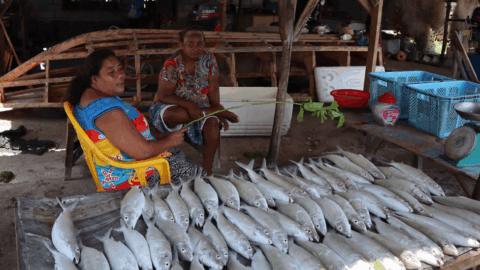
Latin America presents many fisheries management challenges, for fisheries in the region are not only an important source of employment in many countries, but also a major source of protein, particularly in small coastal subsistence fishing communities. Fortunately, the region can look to several successful examples of catch shares management, including both the large ITQ-managed fisheries in Chile and the smaller coastal fisheries managed by “cooperativas” (cooperatives) or territorial use rights (TURFs) in Mexico, Uruguay and other countries.
As EDF looks to expand upon its existing Latin American efforts in Mexico, Belize and Cuba, this new partnership with UNDP, guided by the course charted in this report, will open exciting new possibilities.

One Comment
That’s interesting about the capybara. I always thought the larget rodents were the ones from the movie Princess Bride 😉
-Jack