








“He said, she said” Reporting Mangles Climate Economics Story
Posted: in Economics
Written By

Share
 What do you get when you give a respected journalist an academic fellowship? A new species entirely: a readable academic paper.
Eric Pooley, former managing editor of Fortune and a writer for Time magazine spent his fall semester at Harvard. The result is an eminently readable report on “How Much Would You Pay to Save the Planet? The American Press and the Economics of Climate Change.”
The conclusions are sobering. Most reporters treat the story as stenographers, engaging in “he said, she said” reporting, instead of serving as honest referees of the issues. As a result:
1. The press misrepresented the economic debate over cap and trade. It failed to recognize the emerging consensus among economists that cap and trade would have a marginal effect on economic growth and gave doomsday forecasts coequal status with nonpartisan ones. In other words…The press allowed opponents of climate action to replicate the false debate over climate science in the realm of climate economics.
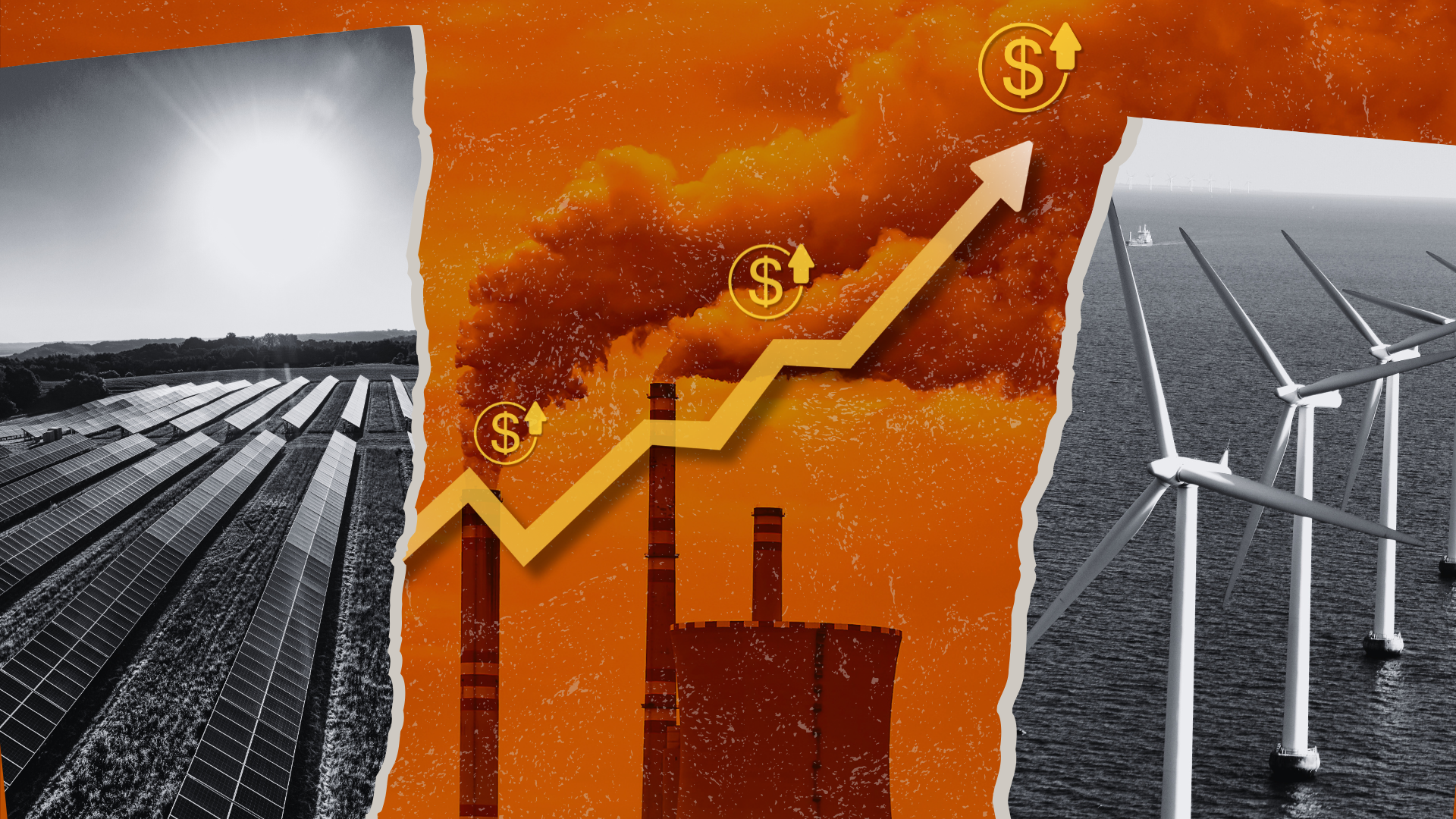
2. The press failed to perform the basic service of making climate policy and its economic impact understandable to the reader and allowed opponents of climate action to set the terms of the cost debate. The argument centered on the short-term costs of taking action — i.e., higher electricity and gasoline prices — and sometimes assumed that doing nothing about climate change carried no cost. In fact, economists overwhelmingly agree that business as usual will lead to greatly increased societal costs as the impacts of climate change set in. These costs were often left out of the story.
3. Editors failed to devote sufficient resources to the climate story. In general, global warming is still being shoved into the “environment” pigeonhole, along with the spotted owls and delta smelt, when it is clearly to society’s detriment to think about the subject that way. It is time for editors to treat climate policy as a permanent, important beat: tracking a mobilization for the moral equivalent of war.
The report’s well worth a read, not least because it heavily features the Environmental Defense Fund and our comprehensive report on the cost of climate action.
This post was originally published on Environmental Economics, and the conversation about the study continues on ClimateProgress.org.
One Comment
Just what do you expect with the media these days? Almost every story I’ve read that covers a subject I know something about is full or errors. I think too many reporters are just lazy and don’t want to spend the time researching, or their editors don’t give them enough lead time to write the stories, thus they’re time pressed to publish it.