










 This post is by Sheryl Canter, an online writer and editorial manager at Environmental Defense Fund.
Fareed Zakaria has a great editorial in today’s Washington Post. It describes how the U.S. economy would be revitalized by a carbon cap that spurs clean energy development. Here’s an excerpt:
Washington’s inaction also stands in contrast to intense activity in the private sector, fascinatingly described in Fred Krupp and Miriam Horn’s new book, “Earth: The Sequel.” Krupp heads the Environmental Defense Fund, but this is not a gloomy global warming tirade. It’s an optimistic account of the progress being made by American industry in renewable energy. The authors explore every new technology, from solar to wind to geothermal, and introduce the men and women who are inventing the future.
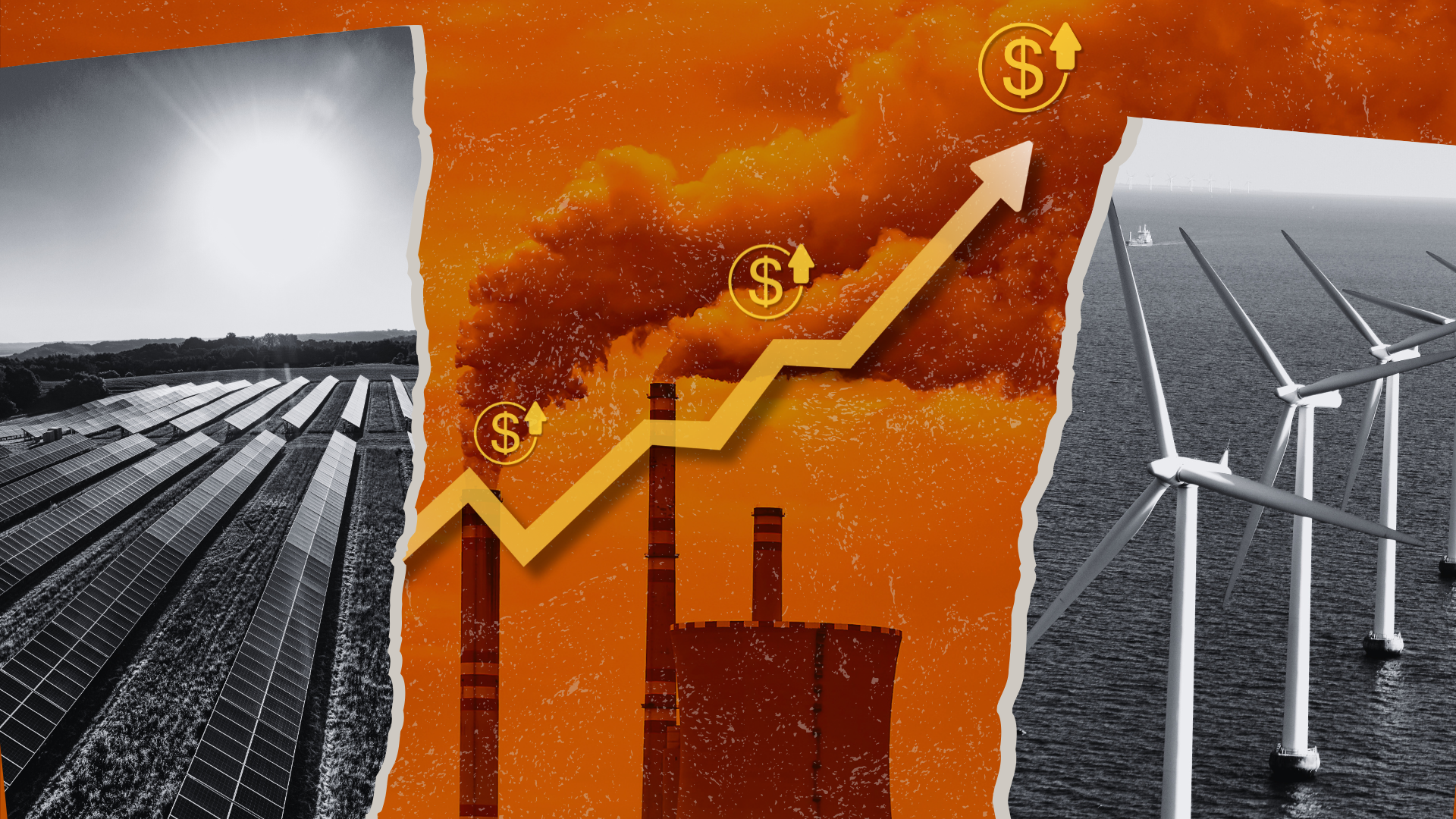
But they would be the first to point out that, even though American research labs are rising to the challenge, government action remains vital. The idea that government should “stay out” is meaningless. It is in knee-deep already; energy is a highly regulated industry. In fact, it’s notable that we have low productivity and runaway inflation in two crucial areas these days — food and fuel. Both have been nationalized, protected or subsidized by governments around the world for decades. A host of regulatory and legal barriers make renewable and small-scale energy production less attractive, profitable and manageable than it could be. But Krupp and Horn focus on the central policy change that the United States needs to make — enacting a cap on carbon. America is the only developed country that does not put a price on carbon.
Imagine if President Bush were to announce at the G-8 summit that the United States would institute a cap on emissions. We would instantly have the world’s largest carbon market and it would, instantly, change the price of clean energy. It would unleash a tsunami of economic activity in renewables that could, over time, give American productivity the next big boost it needs. It would, of course, also quickly send a signal to the market about future demand for oil, which would in turn affect the price.
One Comment
Sheryl,
Very positive.
I am not sure about a couple of Fareed’s figures.
But my pleasure in reading both your article and Fareed’s is its focus on setting a clear target for reductions under the so-called Cap, and the potential economic benefits that we will certainly realize in the technology transition to using less, cleaner energy.
I have been away for a few weeks and intend to follow up on our earlier communications with other EDF staffers on the primary matter outstanding – that of free-market trading in emissions allowances a la acid rain, versus a carbon tax.
Respectfully.