






U.S. Chamber of Commerce Ad Misleads America on Costs of Global Warming Action
Posted: in Economics
Written By

Share
This post is by Sheryl Canter, an Online Writer and Editorial Manager at Environmental Defense.
It’s no surprise the U.S. Chamber of Commerce opposes the Lieberman-Warner bill (see their new ad). They’ve been one of the loudest voices against global warming action for years.
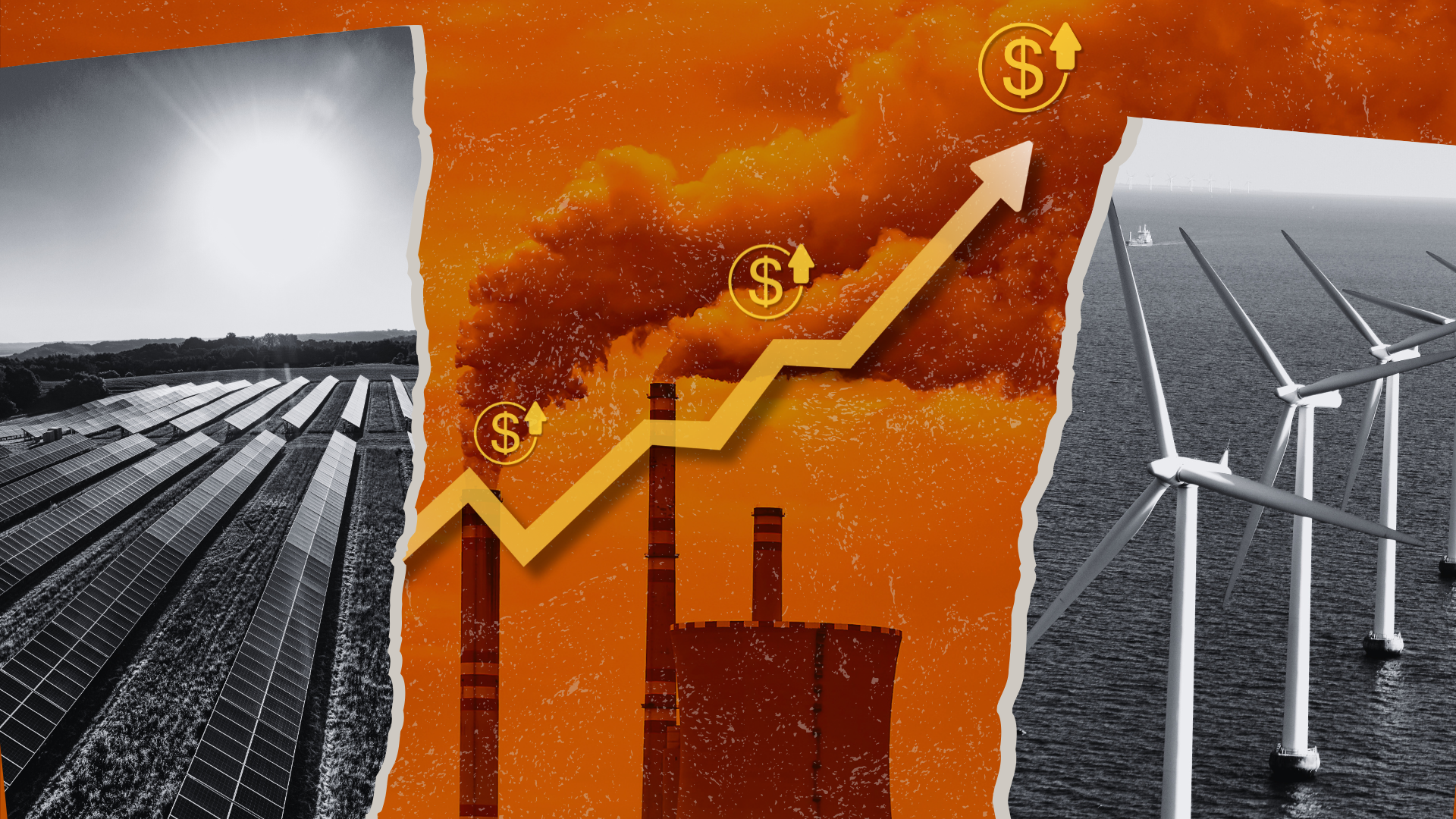
The problem is, their claim that a firm climate bill will cripple our economy is simply wrong. See our previous post on Green Technologies for a more realistic assessment of the costs. There is also a cost to inaction. A recent study by the University of Maryland found that the most expensive option is to do nothing.
While the U.S. Chamber of Commerce uses scare tactics to oppose action, many in the business community see global warming action as not only necessary, but a huge economic opportunity. The U.S. Climate Action Partnership includes dozens of Fortune 500 companies that support a mandatory cap on greenhouse gas emissions.
Growing numbers in the business community support the Lieberman-Warner bill, and understand its necessity and promise. The U.S. Chamber of Commerce should stop using scare tactics, and recognize the opportunities in a smart global warming policy.