






Grid expectations: Re-wiring Duke Energy’s rate case for a clean energy future
Posted: in News
Written By

Share
Summary
- Large tech companies building data centers should foot the bill for their massive grid upgrades, rather than shifting those infrastructure costs onto residential ratepayers.
- Regulators should incentivize incoming data centers to bring their own clean solar and battery storage online to reduce the burden on the broader grid.
- Duke Energy needs to expand smart, flexible charging rates for residential and commercial electric vehicles to lower power bills and stabilize the grid for everyone.
The battle over the future of North Carolina’s electric grid is heating up in front of the North Carolina Utilities Commission. At the center of the debate is Duke Energy Carolinas’ 2026 general rate case, a multi-billion-dollar request that initially sought a staggering 18.1% rate hike for residential consumers.
In a historic and highly unusual mid-case course correction, Duke Energy filed a rebuttal just weeks before hearings, slashing its overall rate hike request from 18% to 11%, and pulling partially back on its aggressive return on equity demands that were among the top 5 in the country. But as Attorney General Jeff Jackson noted in a response, that proposal is “a step in the right direction by bringing the new rate down, but it is still too high.”
What’s next? In July and August, expert witness hearings at the North Carolina Utilities Commission will take place, where parties like the Public Staff — the state’s consumer advocate before the Commission — the Attorney General’s office and advocacy groups for the environment and commercial and industrial interests, will litigate the rate cases, first for Duke Energy Carolinas, then for Duke Energy Progress.
What is Environmental Defense Fund arguing for in the rate cases?
Environmental Defense Fund is an intervenor, having filed expert witness testimony from experts Daymark Energy Advisors to make the case for how customers can be protected from the costs of the data center boom, how North Carolina can enable data centers to bring and pay for their own clean electricity, and how the utility can take advantage of the growth of electric vehicles to lower power bills for customers.
1. Stopping the cost-shift to residential consumers
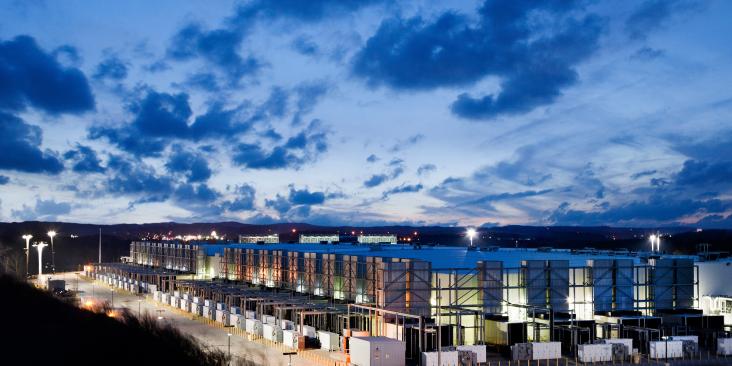
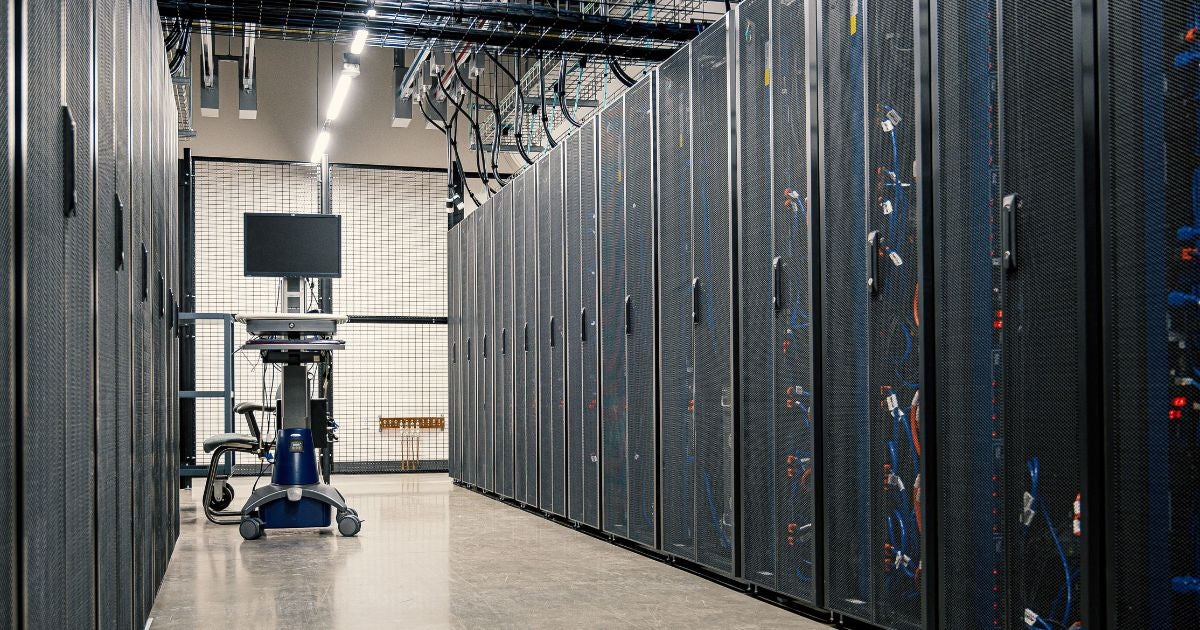
The most glaring issue identified by EDF’s clean energy experts is who pays for the massive grid upgrades Duke claims are necessary. Thanks to artificial intelligence and cloud computing, tech giants are building massive data centers across the Carolinas, requiring gigawatts of new power.
EDF’s analysis emphasizes that under Duke’s original proposal, ordinary residential ratepayers would absorb an unfair share of the infrastructure costs required to hook up these large corporate users. EDF’s experts argue for a “fair share” pricing mechanism. If a multi-billion-dollar tech conglomerate requires dedicated grid expansions, substation upgrades or new peaker plants to manage their specialized demand, they should foot that specific bill — not local families already grappling with rising household costs.
2. Incentivizing corporate self-generation
Instead of simply building expensive, centralized fossil-fuel infrastructure to support data centers, EDF proposes a more reasonable solution: incentivizing large energy users to bring their own clean energy online.
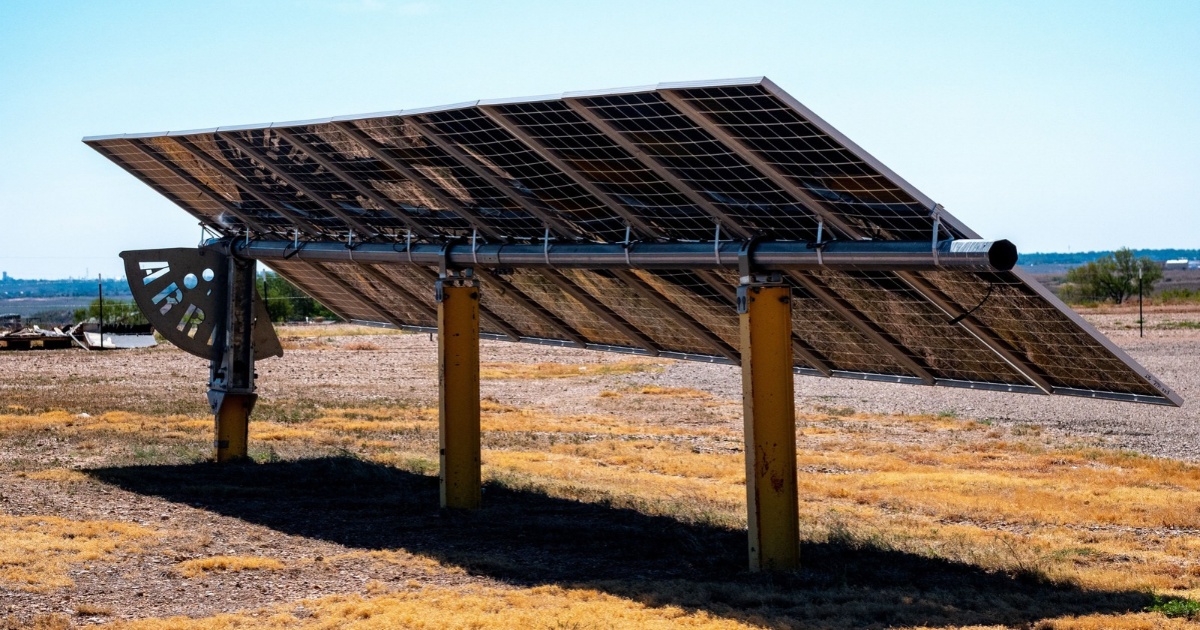
EDF’s testimony outlines policies that would encourage or require incoming data centers to co-locate or contract for their own low-cost solar and battery storage systems. By allowing corporate giants to serve their own localized demand with clean energy, Duke could drastically reduce the upward pressure on the broader grid. This protects residential consumers from footing the bill for massive transmission buildouts while simultaneously helping North Carolina hit its state climate goals.
3. Supercharging EV rates and managed charging
Duke Energy needs to take its EV pilot programs to the next level by turning electric vehicles into grid assets, not grid liabilities. By expanding its time-of-use rates, EDF and Daymark testify that the utility can reward drivers who actively participate in managed charging or vehicle-to-grid tech that feeds power back when the grid needs it most.
Commercial fleets shouldn’t be left out either. Stripping away restrictive demand charges for businesses willing to coordinate their fast-charging schedules — akin to Florida’s successful Fleet Advisory Program — can unlock flexible power that stabilizes the grid for everyone.
Looking ahead
The upcoming rate cases will determine the trajectory of tens of billions of dollars in energy investments across North Carolina. The stakes could not be higher: the right decisions can deliver a vital combination of customer savings, reduced pollution and grid resilience. But our state’s century-old regulatory framework must be modernized to meet the demands of the unprecedented data center boom.
Regulators have an opportunity to ensure this transition prioritizes the economic well-being of North Carolina families over the profit margins of out-of-state developers and Duke Energy shareholders.