






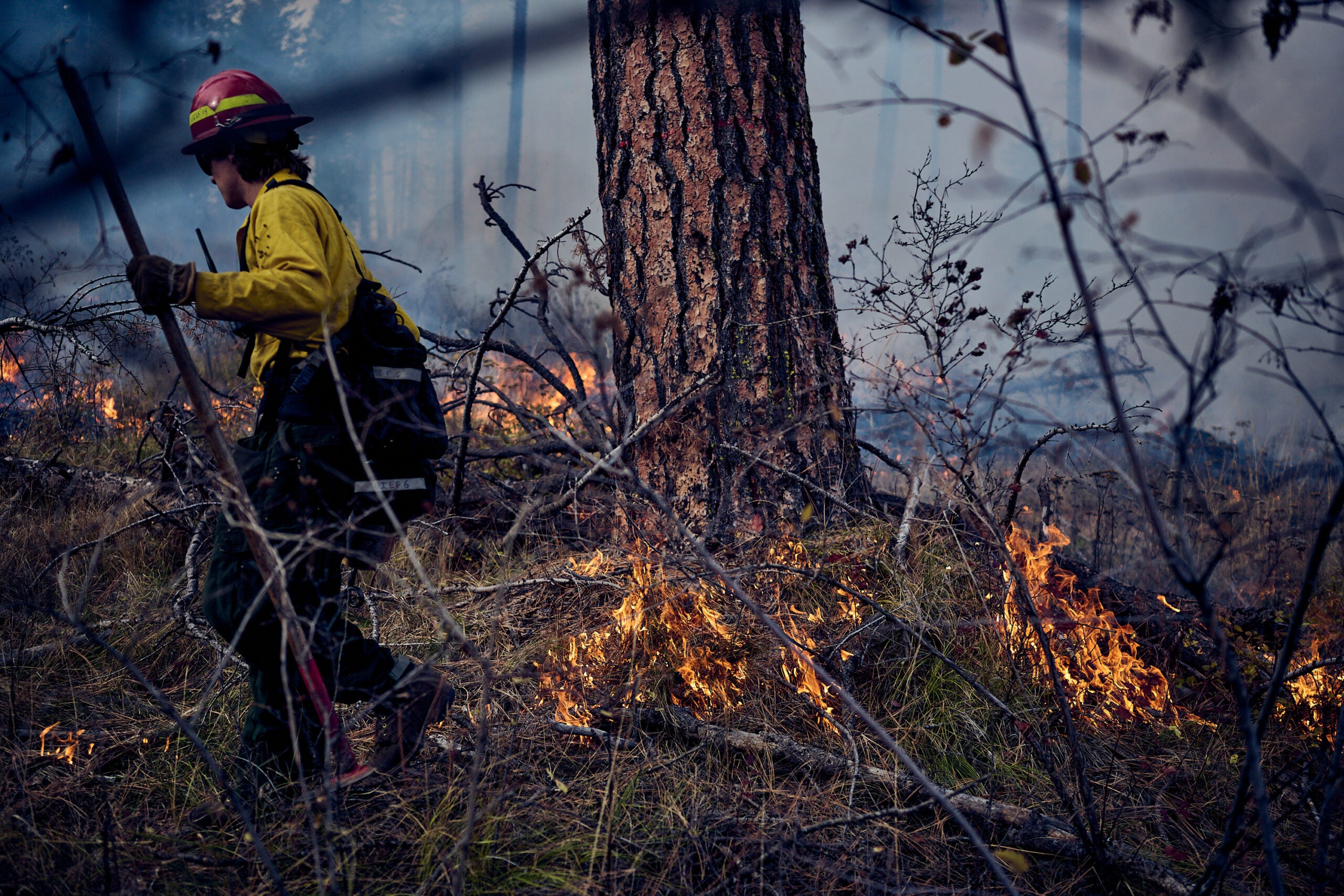
Fighting fire with flexibility: Why full wildfire suppression can backfire
Posted: in Forest protection, Wildfire
Written By

Share
Summary
- Fire is nature’s way of keeping fuels like drier trees and kindling from building up. Reducing all instances of fire can allow wildfire fuels to build up, leading to more catastrophic wildfire.
- Past approaches that emphasized near-total suppression have left many forests with fewer healthy trees and less abundant fire-loving species. When these forests burn, they are more likely to burn hotter.
- Under the right conditions, wildfires that are not immediately contained can restore backcountry ecosystems while reducing fuel build up.
Recent proposals in Congress and across federal agencies have emphasized fully suppressing wildfire.
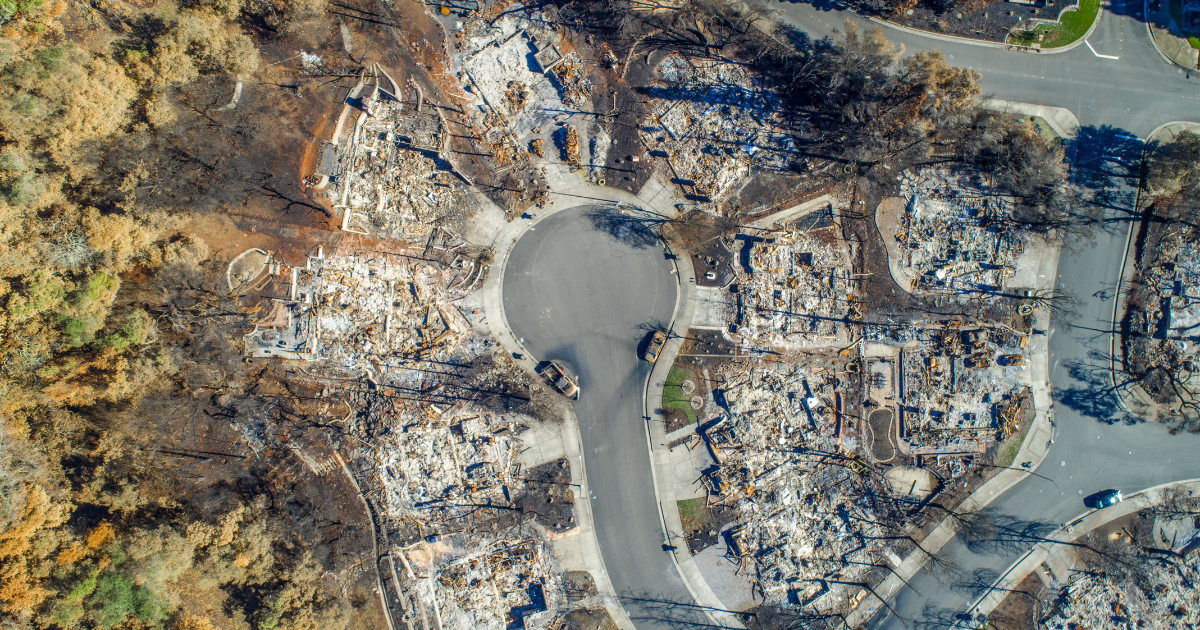
Putting out every wildfire as quickly as possible can increase the threat posed to communities by the most dangerous wildfires. Sometimes a slower approach to firefighting can help protect firefighters and nearby communities while reducing the risk of more catastrophic wildfires in the future.
Past approaches prioritizing near-total suppression offer important lessons for today’s policy decisions. For many years the U.S. Forest Service chased what was known as the “10 a.m. policy,” full containment of all wildfires by the morning after ignition. While rapid fire suppression is critical in many situations, especially near communities, overly prescriptive mandates can make it harder for firefighters to respond to wildfire flexibly and effectively.
Most U.S. ecosystems have adapted to routine wildfire of some kind. Fire is nature’s way of keeping fuels like drier trees and kindling from building up. Reducing all instances of fire can allow wildfire fuels to build up, leading to more harmful, more catastrophic wildfire.
A more strategic approach to firefighting, and equipping wildland firefighters with the right tools and resources, can help protect firefighters and nearby communities while reducing the risk of more catastrophic wildfires in the future.
Fuel treatments and home hardening are essential, but not sufficient on their own
Expanding community risk reduction efforts alongside ecological fuel treatments can help reduce the risk of loss from wildfire.
Homeowners with homes in wildfire prone areas can address fuel on their property. Creating defensible space (buffer areas between homes and surrounding wild areas) and hardening homes by using fire-resistant materials reduces the likelihood these homes will ignite and spread fire.
Ecological fuel treatments, such as thinning dense trees and prescribed fire, create forest conditions where wildfire behavior will be less severe. There is an urgent need to sustain and rapidly expand fuel treatments alongside community risk reduction efforts, including home hardening and creating defensible space. Together, with safe, effective wildfire response, these strategies reduce risk of loss from wildfire.
The Forest Service has a backlog of over 80 million acres that need treatment, which is over 41% of all national forestland. Because of the removal of fire as beneficial process, trees in these areas are less healthy, fire-loving species are less abundant, and when trees burn, they are more likely to burn hotter than what local plants, animal and fungi evolved to withstand. Meaningfully scaling restoration is also important for reducing climate-harming pollution from wildfire.
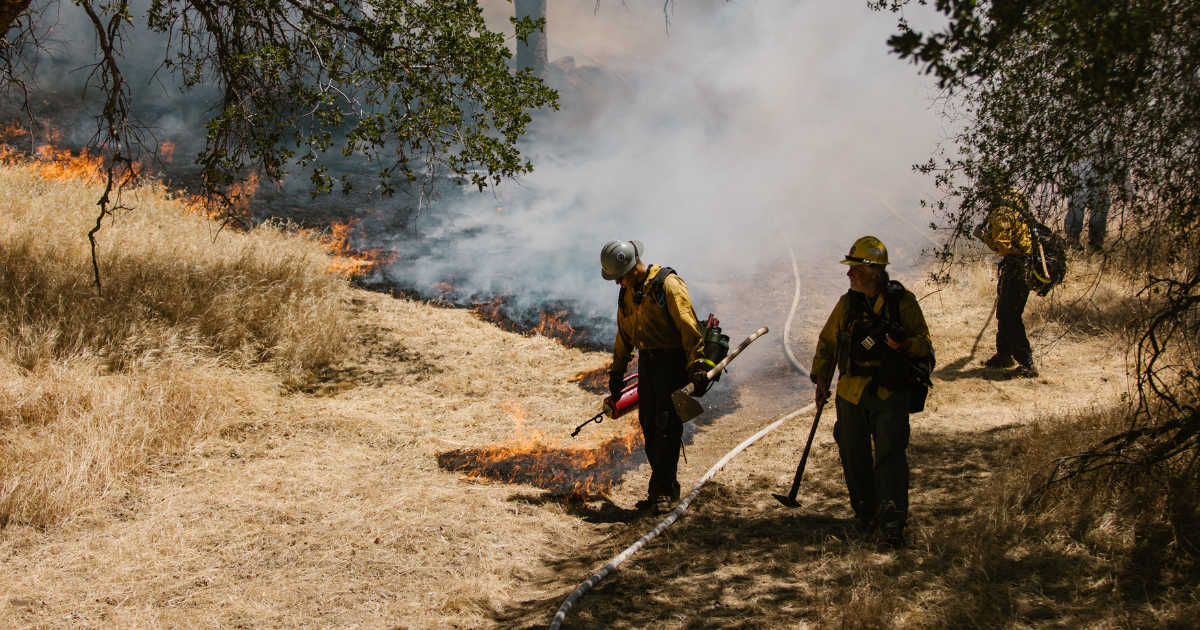
Moreover, it is not possible for the Forest Service and other public land managers to treat every acre that needs it. Resources for fuel treatment are limited, and even with a massive expansion, many areas are difficult to treat because of steep slopes, remote locations, and restrictions on human activity, such as rules for wilderness areas. Managing wildfire for resource benefit, which is strategically letting some ignitions burn during favorable weather conditions in remote areas, is a tool for restoring ecological function and reducing risk.
We should prioritize our limited resources on projects that reduce risks to communities, sustain culturally important plants, protect drinking water source areas and make wildland firefighters safer and more effective. Under the right conditions, at an appropriate scale and with thoughtful pre-planning, wildfires that are not immediately contained can restore backcountry ecosystems while reducing fuel that would otherwise be ready to burn during hotter, drier times of the year. Requiring all wildfire to be fully suppressed will make catastrophic wildfire stretch further and burn areas more severely.
Mandates for full suppression put firefighters at risk
Sometimes sending firefighters to put out newly ignited fire in wildland areas is risky and not necessary. The ruggedness of many wilderness areas could present dangerous conditions for firefighters and their remoteness means no nearby communities are at risk.
While no new wildfire is without risk, focusing on containing wildfire quickly misses the full picture. In the United States, our massive wildland fire system is actually very good at suppression: Over 98% of all new wildfire is contained quickly. The 2% that escape firefighting do almost all of the damage. These fires overwhelmingly happen during the hottest, driest, windiest weather, in the worst fuel conditions, and during peak months when firefighting resources are over-prescribed.
Choosing when and where to fight a new fire is an opening to reduce future risk and protect firefighter wellbeing. Mandates for aggressive suppression remove that choice. Moreover, legal mandates for full suppression could force wildfire response leaders to make difficult decisions: use their limited resources to respond to every ignition, even when the conditions are dangerous for firefighters, or face potential legal liability.
Policy should reflect proven ways to improve outcomes in wildland firefighting. There are many ways to improve our wildland firefighting system:
- Invest in adequate pay and higher staffing levels. The system is built for short-term jumps in activity. Firefighting is largely staffed by a mixture of seasonal positions and short-term reassignments from other jobs. Staff are under considerable strain with the year-round fire activity of today.
- Invest in predictive services and wildfire science. Fire managers will be better equipped if they have the best information and recommendations are kept up to date as fire weather patterns shift due to climate change.
- Invest in forest management. Restored and maintained areas of forest make firefighting safer and more effective, giving incident commanders more options to work with when assigning resources.
- Identify impactful measures. Clearly understanding what is working well in wildland fire systems can drive better outcomes for both short-term and long-term risk. Use of resources in situations where they are unlikely to be effective puts firefighters at risk, reduces resources available for other incidents and wastes taxpayer dollars.
The bottom line
Wildfire is going to be a part of the equation no matter what. We choose whether they burn during a wet spring with many firefighting resources available or during a dry, windy, hot August when the firefighting system is stretched thin. Policy mandating full suppression results in firefighters and communities facing worse conditions for no benefit. Smart policies will help turn the tide on wildfire by taking a comprehensive look at what is driving risk and more intense wildfire, rather than narrowing the range of options available to fire managers.