








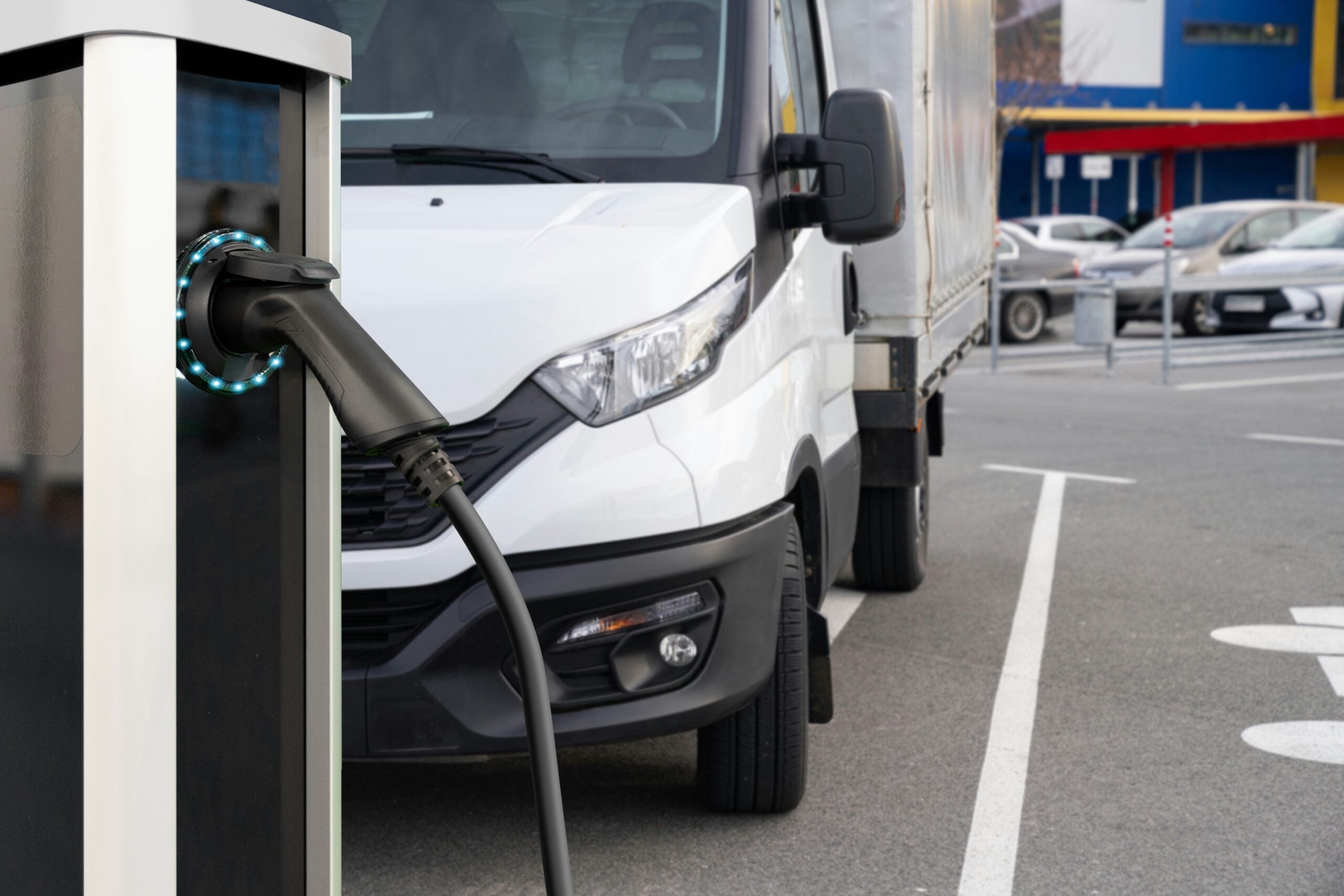
California can clean up trucks and cut diesel costs when we need it most
Posted: in News
Written By

Share
Summary
- Strong next-generation clean truck standards can cut harmful pollution while lowering fuel costs by reducing reliance on diesel.
- By aligning standards with demand, early action and complementary programs, California can deliver cleaner air, a more stable economy and real savings for truckers.
Diesel prices are at record highs, squeezing truckers and driving up freight costs nationwide. Prices in parts of California have climbed above $7 a gallon. These escalating costs can force independent drivers off the road and push major carriers to impose fuel surcharges.
Fuel is one of the trucking industry’s largest and most volatile costs. When diesel prices spike, margins shrink, small operators get squeezed, and higher costs ripple through the economy.
The California Air Resources Board’s next generation of clean truck standards are vital to cutting pollution. They can also help ensure fleets have access to more clean vehicles, reducing their dependence on volatile diesel markets and lower operating costs over time. EDF’s recent comments on CARB’s Drive Forward program lay out how.
Cleaner trucks reduce pollution and costs
For decades, trucking has depended on diesel no matter the price. Electric trucks offer a more stable and affordable alternative. They replace diesel with electricity, which is often cheaper and more price-stable, while lowering maintenance costs thanks to significantly fewer moving parts and less wear on key components. Over time, these advantages add up. Recent industry analysis shows electric trucks can save fleets tens of thousands of dollars over their lifetime – in some cases exceeding $100,000 per vehicle, especially for high-mileage operations.
At a moment of rising and volatile diesel prices, those savings are especially important. The faster California scales cleaner trucks, the faster fleets can reduce their exposure to fuel price spikes – and keep more money in their pockets.
Trucks drive outsized diesel pollution
Heavy-duty trucks make up just 7% of vehicles on California roads but produce nearly half of on-road nitrogen oxide (NOx) pollution and about 20% of greenhouse gas emissions. This pollution hits hardest in communities near truck routes, warehouses and ports, where families face some of the highest exposure in the country.
Smog and soot can harm lung development, worsen asthma and heart disease, and increase premature deaths. Climate pollution fuels extreme heat, drought, and wildfires, already affecting communities across the state. Recent federal rollbacks have made the challenge even harder, eliminating vehicle GHG standards and leaving California with a 175-ton-per-day gap in needed NOx reductions. Reducing tailpipe pollution from heavy-duty vehicles could yield up to $5.6 billion in health and environmental benefits in California alone.
Strong standards can drive cleaner, more affordable trucks
That’s why strong, next-generation standards are essential. EDF supports CARB’s interest in adopting performance-based NOx and greenhouse gas standards that cut pollution while supporting multiple technology pathways.
California’s leadership is especially important now. As federal protections weaken, CARB has a vital opportunity to adopt more protective standards that cut pollution and expand the availability of clean and affordable trucking solutions. That includes protective greenhouse gas standards that give manufacturers flexibility to cut emissions across their fleets, including by deploying more zero-emission vehicles.
To deliver real-world pollution reductions, CARB should also strengthen how emissions are measured and controlled. That includes updating vehicle testing to better reflect real driving conditions, adopting standards for trailers to improve efficiency and addressing pollution beyond the tailpipe, including from brake and tire wear.
Getting cleaner trucks on the road faster
Standards alone are not enough. To deliver meaningful results, clean trucks must be deployed across the fleet – especially in communities most burdened by pollution. EDF supports pairing supply-side standards with targeted demand-side policies that ensure adoption keeps pace. That includes prioritizing high-impact fleets like drayage trucks near ports while supporting cleaner solutions across the entire heavy-duty fleet.
At the same time, CARB should unlock pathways that reward fleets and manufacturers for taking early action, such as deploying zero-emission trucks or ultra-low NOx engines ahead of schedule. These actions deliver immediate benefits: lower fuel costs, cleaner air and faster market momentum.
Align state policies
Drive Forward will be most effective when paired with complimentary state policies – from charging infrastructure deployment and clean vehicle procurement to voluntary programs like Clean Fleet Connect. Coordinated implementation can reduce friction and accelerate adoption.
Incentives remain important, especially for early-stage markets. But they work best when paired with strong, durable standards that provide certainty and direction.
A chance to lead and lower costs
California already leads the nation on clean vehicles and it can continue to raise the bar. At a time of rising diesel prices and federal efforts to weaken and eliminate pollution safeguards, the state can lower costs for truckers, reduce harmful pollution and strengthen economic stability.
That’s what a strong Drive Forward program can deliver and exactly the kind of leadership that is important to protect Californians.