






Powering the West’s future requires smart grid planning. A new report shows how.
Posted: in News
Written By

Share
It’s becoming all too common for families and businesses to experience the symptoms of a strained electricity grid—whether it’s rising bills or more frequent power outages. Between growing demand, aging infrastructure and extreme weather, the U.S. grid is under immense pressure. For Western states, the challenge is especially pronounced: during peak hours of electricity demand, up to 70% of states’ power is imported from neighboring states’ utilities. Decision makers across the region are looking for guidance as they plan for the next generation of the grid.
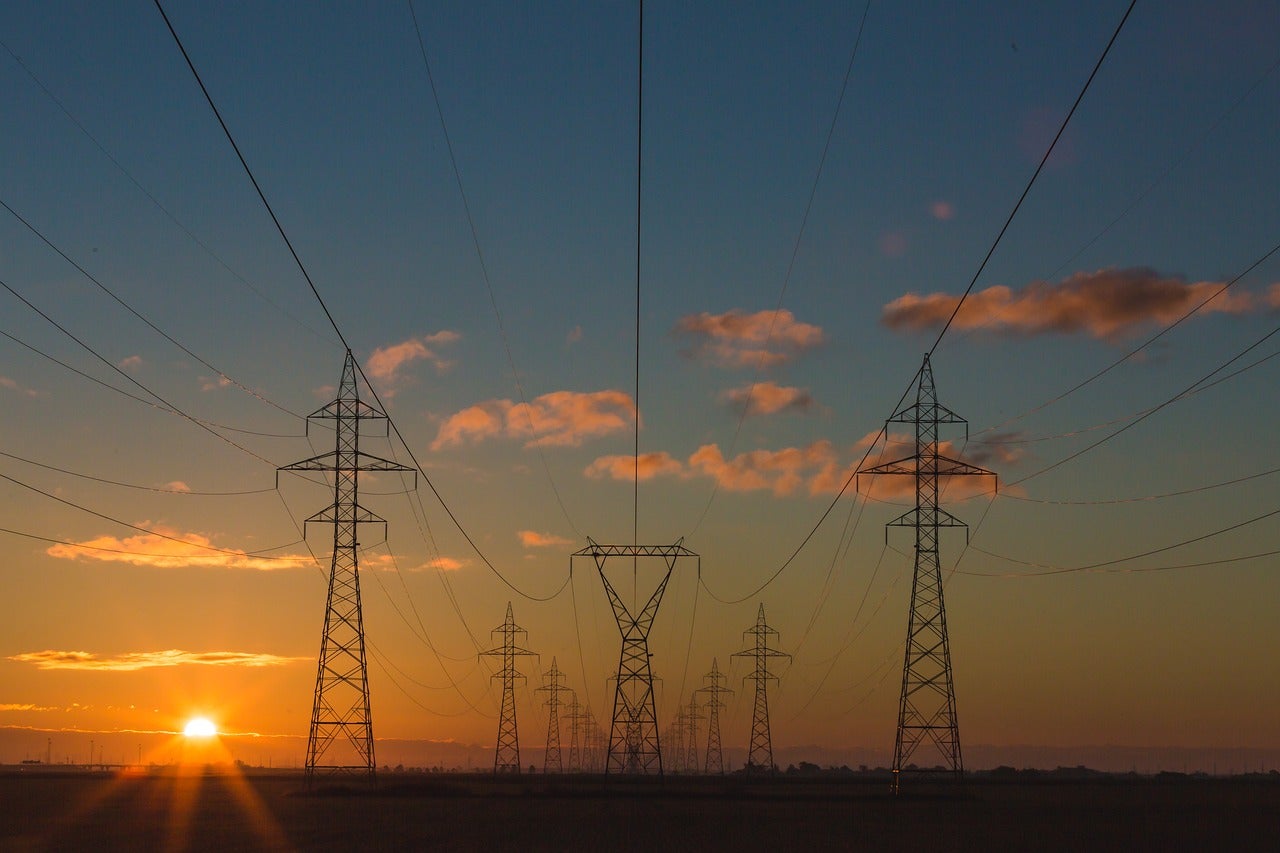
Transmission lines deliver electricity from where it’s generated to homes, businesses and schools. Building and improving the transmission system is the key to ensuring the lights stay on and utility bills remain affordable. Since new transmission lines can take several years to come online, utilizing existing grid infrastructure more effectively can lead to solutions in the near term. Utilities in Western states typically use , which means there is significant capacity for serving new load and integrating new generation quickly and affordably. To ease costs and keep the grid reliable, we need to build new transmission lines and make the most of existing infrastructure.
A coalition of utilities, developers, states and Tribes recently published a roadmap for planning a more reliable and affordable grid throughout the West. The Western Transmission Expansion Coalition (WestTEC)’s 10-Year Horizon report offers important insights for decision makers, providing clear guidance for states and transmission developers navigating landscape marked by rapidly growing demand and shifting priorities. This coalition’s findings should spur action to ensure continued access to affordable and readily available electricity. Otherwise, families and businesses will foot the bill for an ever-growing demand for electricity.
A rapidly changing landscape
There are four primary reasons why proactive planning is so necessary to maintaining a reliable, affordable electrical grid:
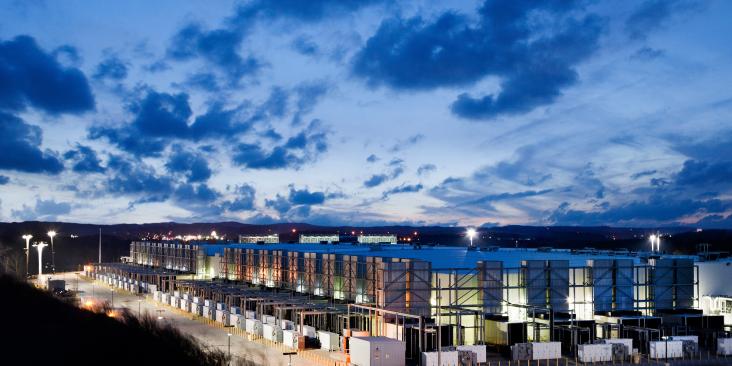
- Energy demand from new data centers, industry, and electrification of buildings and transportation is expected to increase 30% across the West by 2035
- Existing energy resources are retiring over the next decade
- New electricity generation is expected to be added at twice the historical rate
- Extreme weather is driving peak demands and requiring more shared resources across the West
Importantly, as demand shifts and generation capacity grows, the infrastructure for getting power where it needs to go—transmission—isn’t keeping pace.
Taken together, these pose major challenges for state decision makers and make clear the need for coordination across states for transmission planning.
WestTEC was launched in 2023 to address this need for long-range transmission planning. Facilitated by the Western Power Pool—a group of electric utilities in the Western United States and Canada that share resources—the coalition is charged with supporting the Western Interconnection, the power grid that spans much of the Western U.S. and parts of Canada and Mexico.
Achievable solutions that drive down costs
WestTEC’s new report is a key component of the effort to increase transparency and coordination in transmission planning. It details the reasons for proactive planning and dives deeper into the transformative forces reshaping the grid. It also identifies projects that will help the West meet demand growth, seamlessly integrate new generation, and increase reliability. The report identifies 12,650 total line miles of upgrades needed to meet the region’s forecasted needs. Around 9,400 miles worth of projects are already planned, with close to one fifth of these under or nearing construction. That leaves around 3,300 line miles of identified upgrades that still need to be developed to address reliability, deliverability, and efficiency goals across the region.
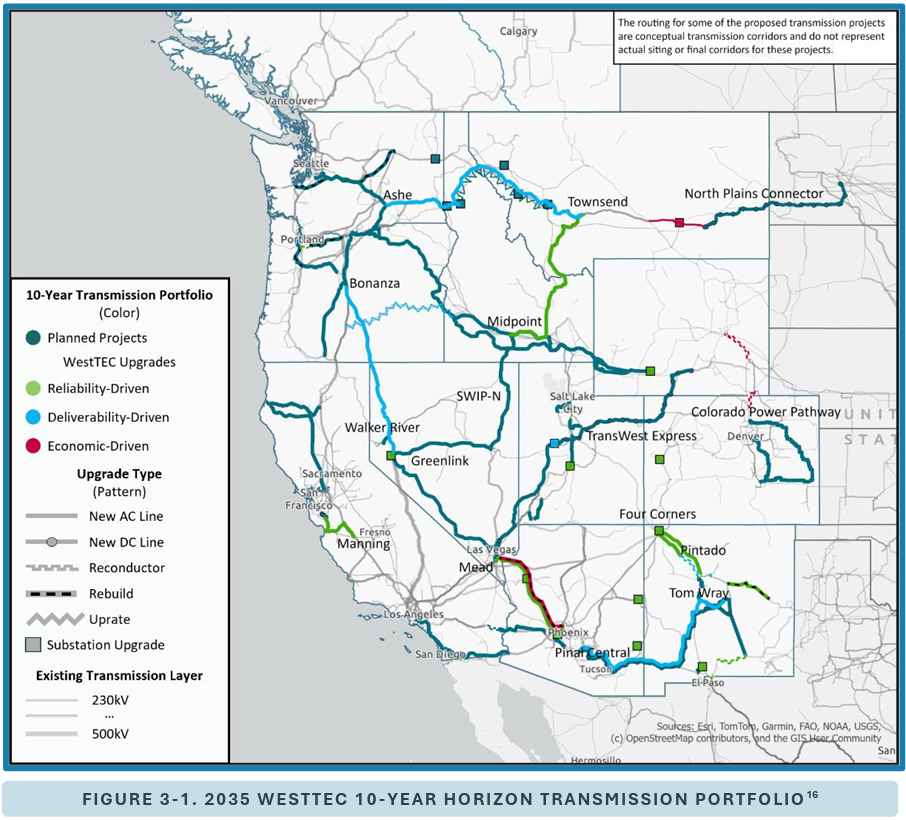
Building this technology comes with a price tag—roughly $5.3 billion per year. Though that number seems steep, it’s actually just a fraction of the total spending on Western electricity, which was nearly $120 billion in 2024. In fact, it’s only about 2.5% of today’s average retail electricity price. Importantly, transmission has front-loaded costs that are repaid over time. A recent report from Americans for a Clean Energy Grid estimates that, for every $1 invested in transmission, customers see up to $4.70 in benefits. In other words, these transmission upgrades have the potential to translate into massive future savings for families and businesses without breaking the bank today.
Stronger transmission networks can ensure states reap the full benefits of forthcoming Western electricity markets. A more interconnected grid helps utilities manage stressors like extreme heat. When local conditions tighten and electricity is constrained, states can share resources to ensure reliable electric service. A more coordinated and connected transmission grid also produces significant economic benefits. The Western Energy Imbalance Market allows participants to buy and sell power in real-time. Since 2014, the market has resulted in over $7.4 billion in total market benefits. Coordinated transmission planning and development create the conditions for a mature, fully regional electricity market that benefits every participating state.
A brighter, interconnected future
The forces pressuring the grid will only grow more complex, but the collaborative solutions offered by WestTEC give decision makers the knowledge and tools to tackle the challenge. The coalition is also producing a 20-Year Horizon Report that looks at planning scenarios into 2045, which will address uncertainty, help understand how transmission needs change over time and allow for evaluation and right-sizing of the 10-year horizon upgrades. The 20-year report will also forecast the benefits of key transmission portfolios, which can help decision-makers better argue for and defend the recommended upgrades.
As developers and states start taking steps to implement WestTEC’s recommendations, engaging communities from the beginning of the process can ensure better outcomes for all. A recent EDF report found that early engagement with communities and Tribes helped reduce opposition to transmission projects, avoid costly delays and deliver lasting value for both developers and communities. A more resilient, interconnected grid is a more reliable, affordable grid—and one that offers clear benefits for the West.
Developers and states should rely on the guidance offered by the WestTEC report to start pursuing recommended upgrades, communicate costs and benefits to customers and engage in a collaborative development process that involves communities at each stage.